How Fabrication Labs Are Reshaping Campus Culture and Innovation
Learning becomes more than understanding.
It becomes making.
There’s a moment in every makerspace when an idea becomes real. When a student draws a circuit plan, that’s great … but to print it and plug it in, that’s when the magic happens. That shift from concept to creation is where real learning happens. And increasingly, it is shaped by the environments where that work occurs.
From Ideas to Action
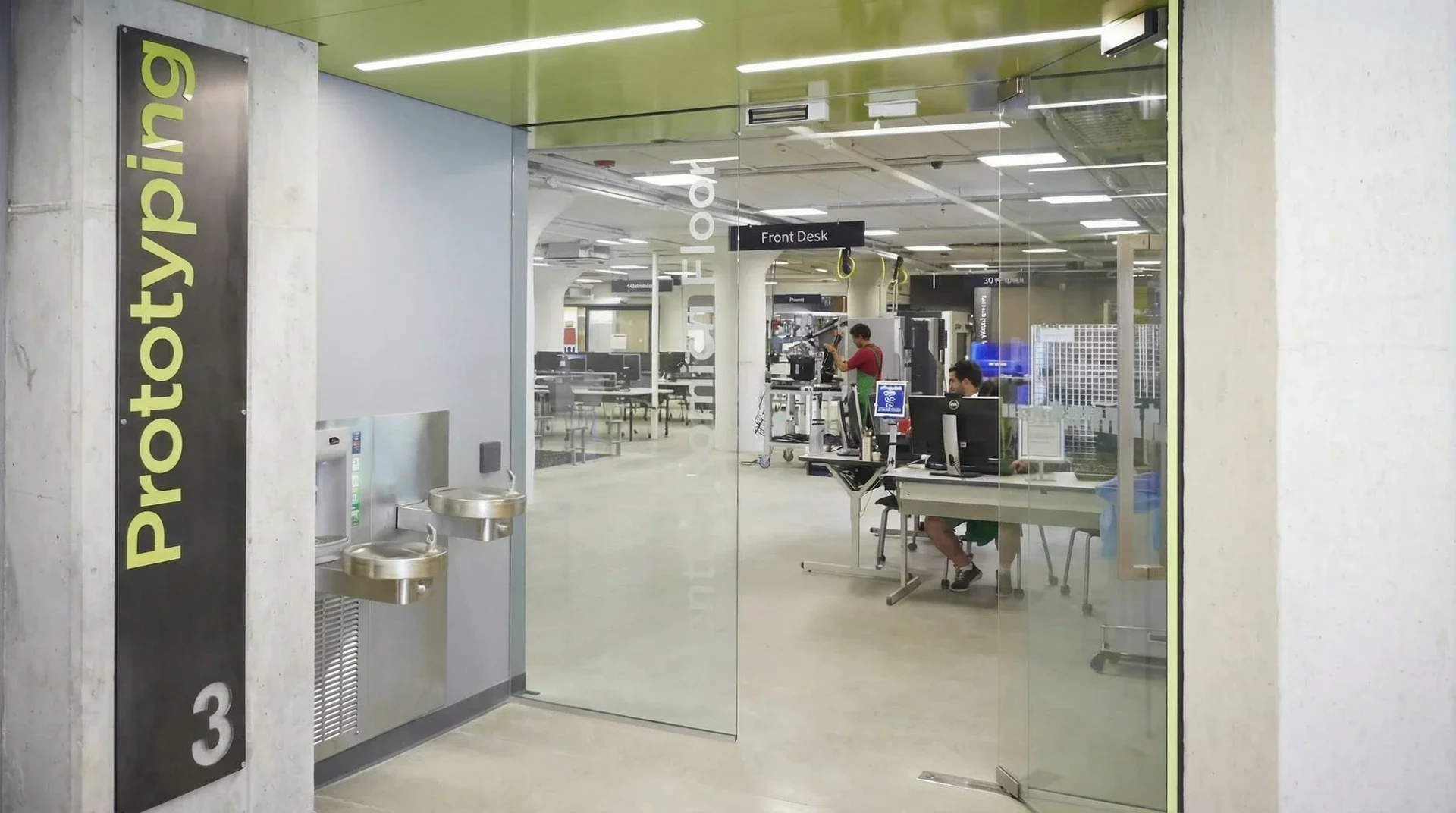
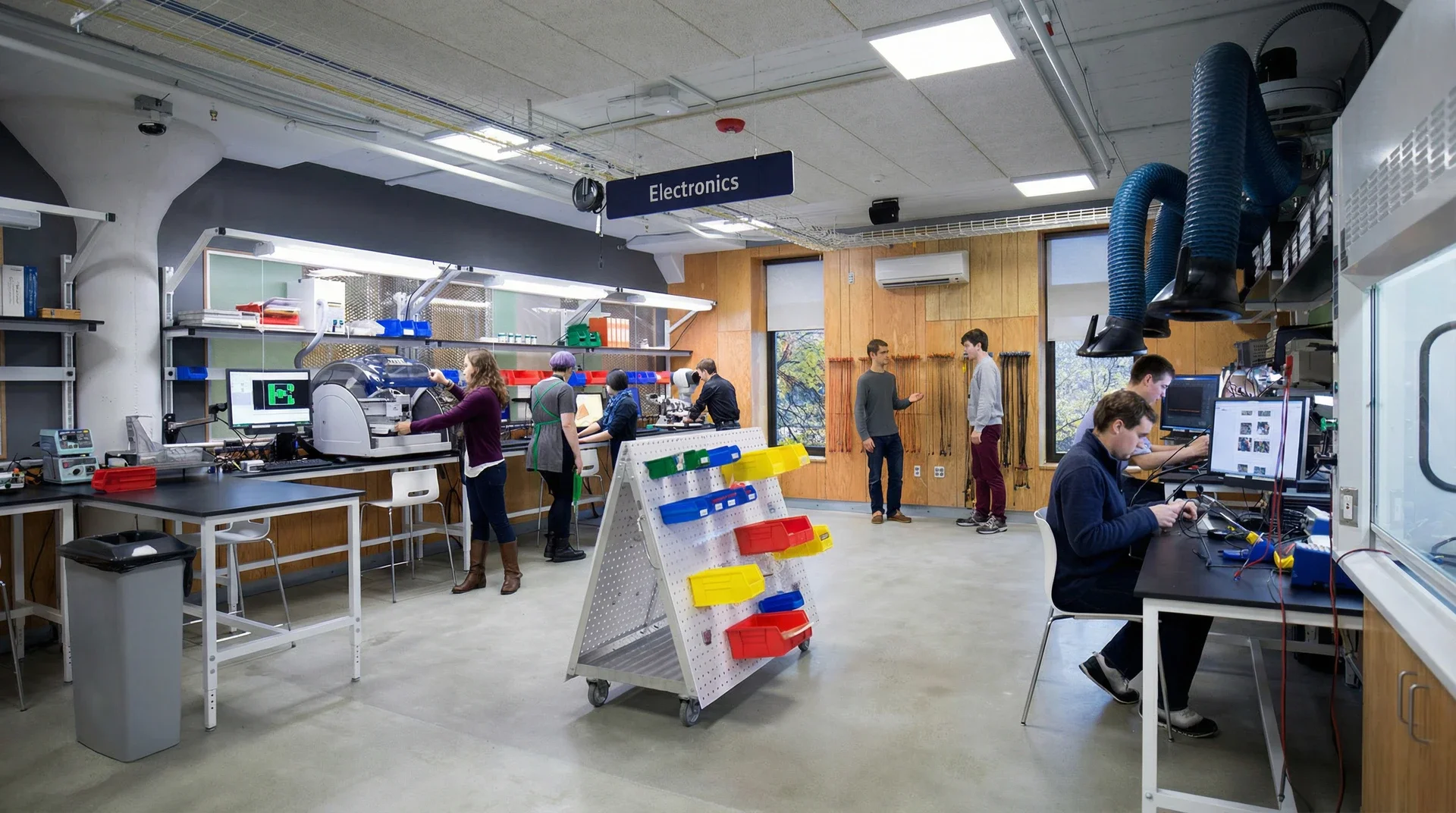
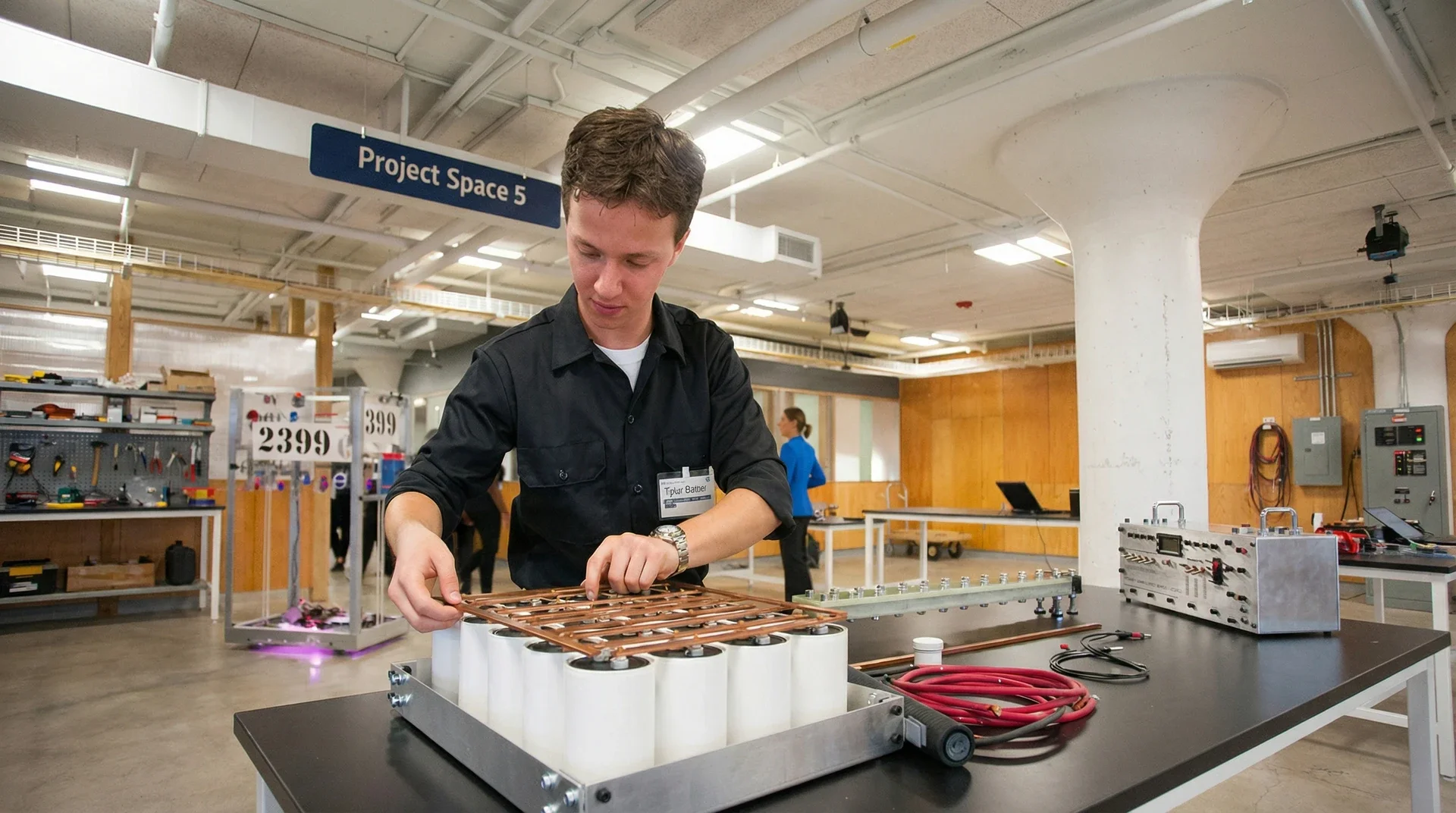
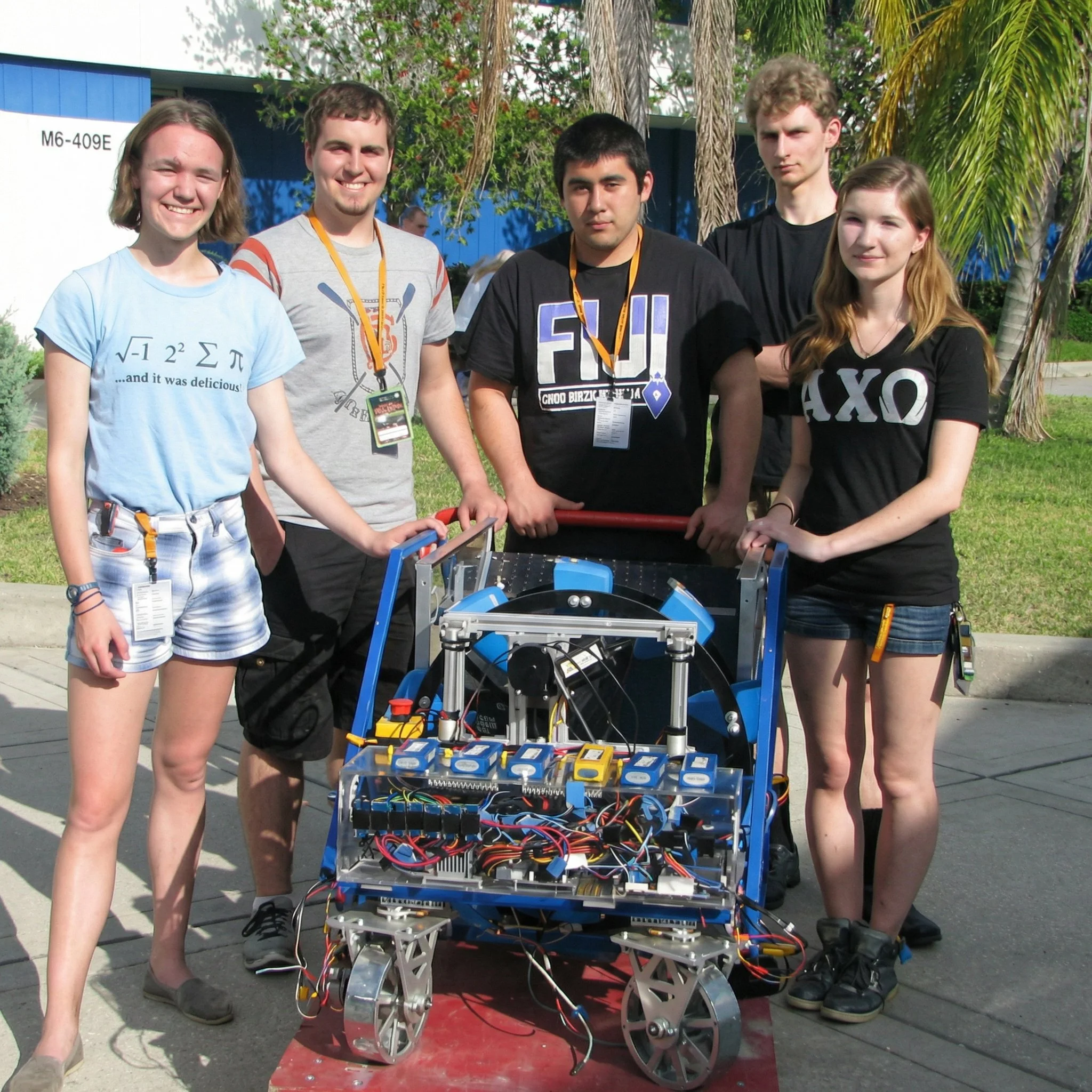
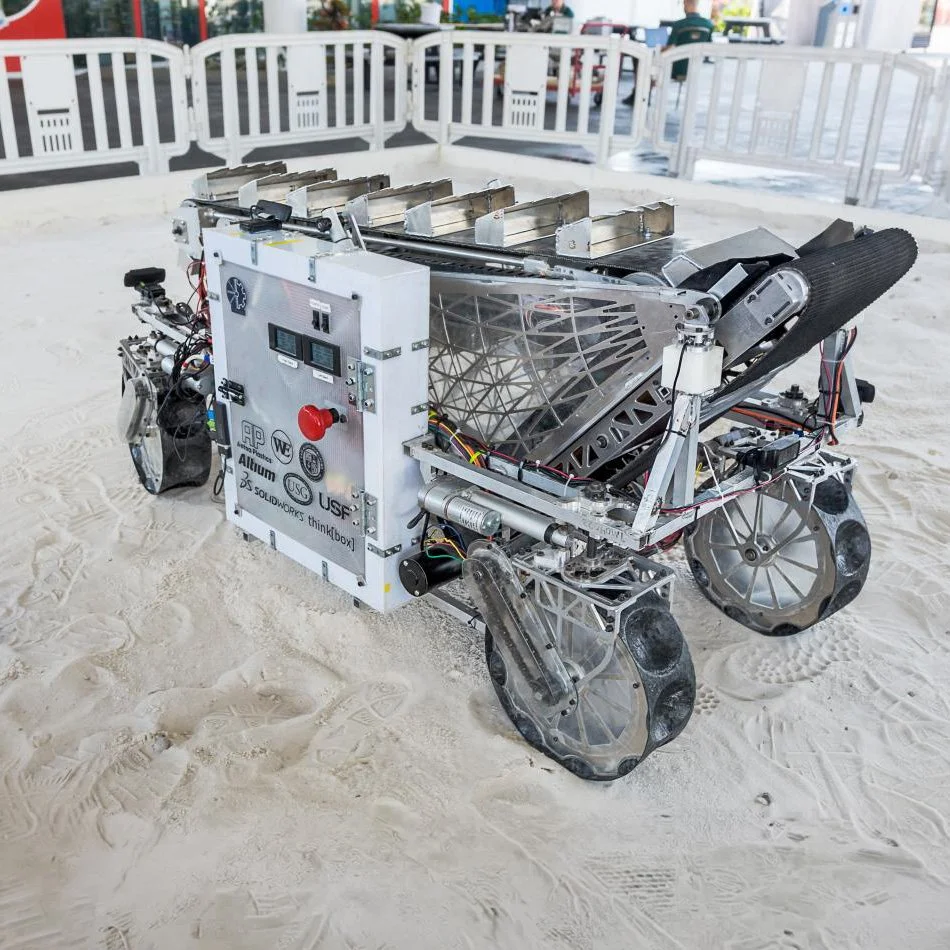
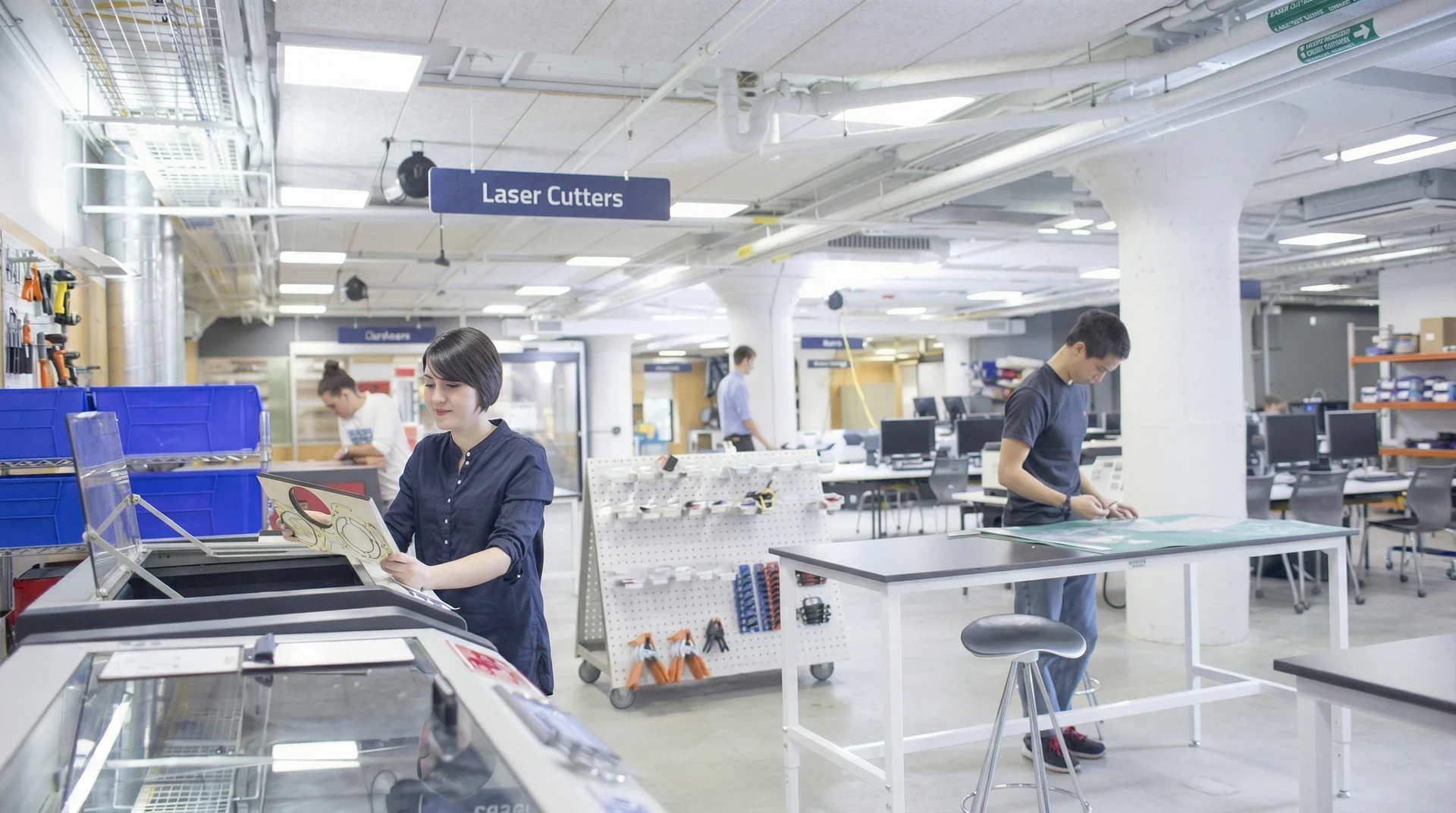
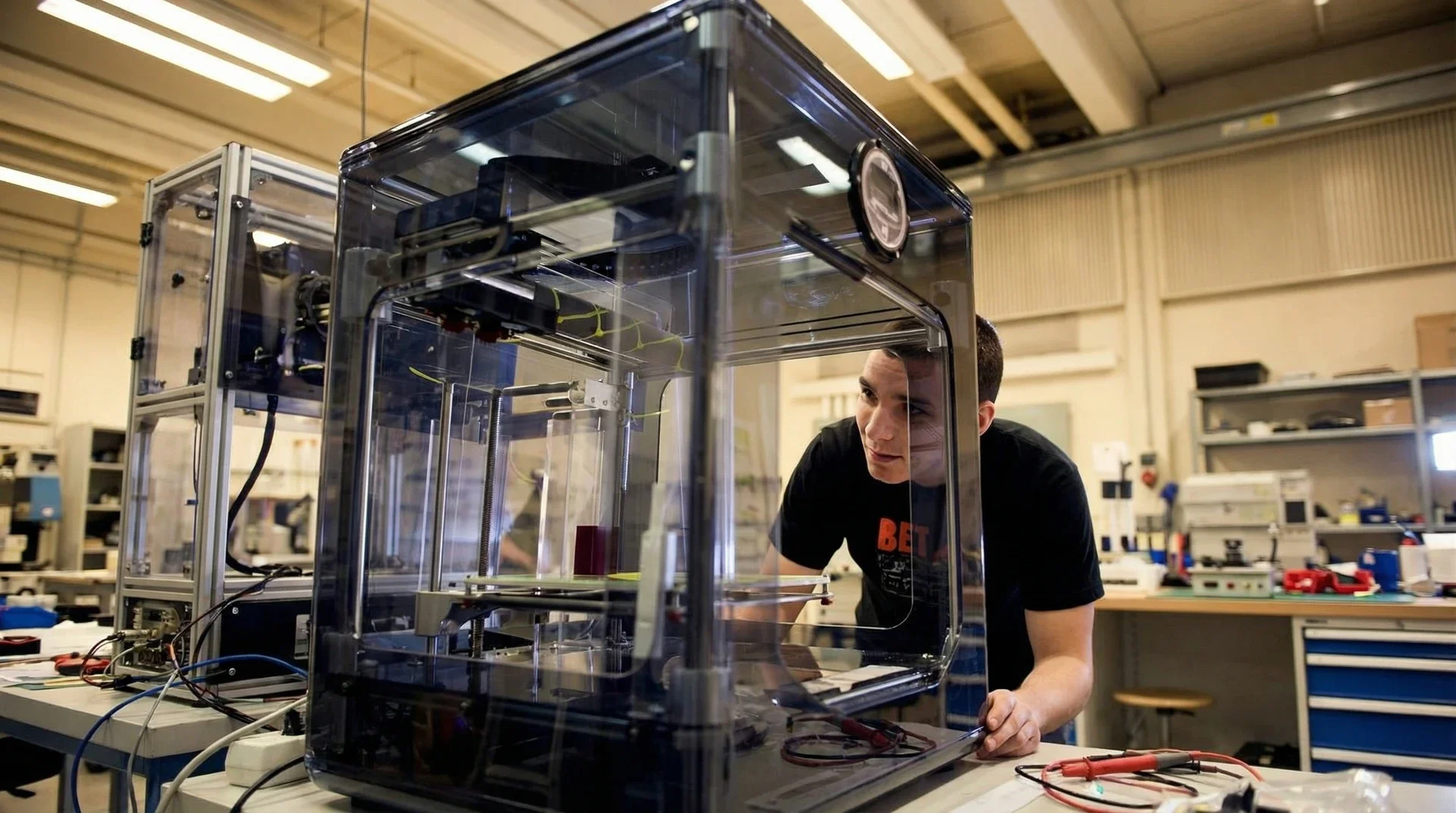
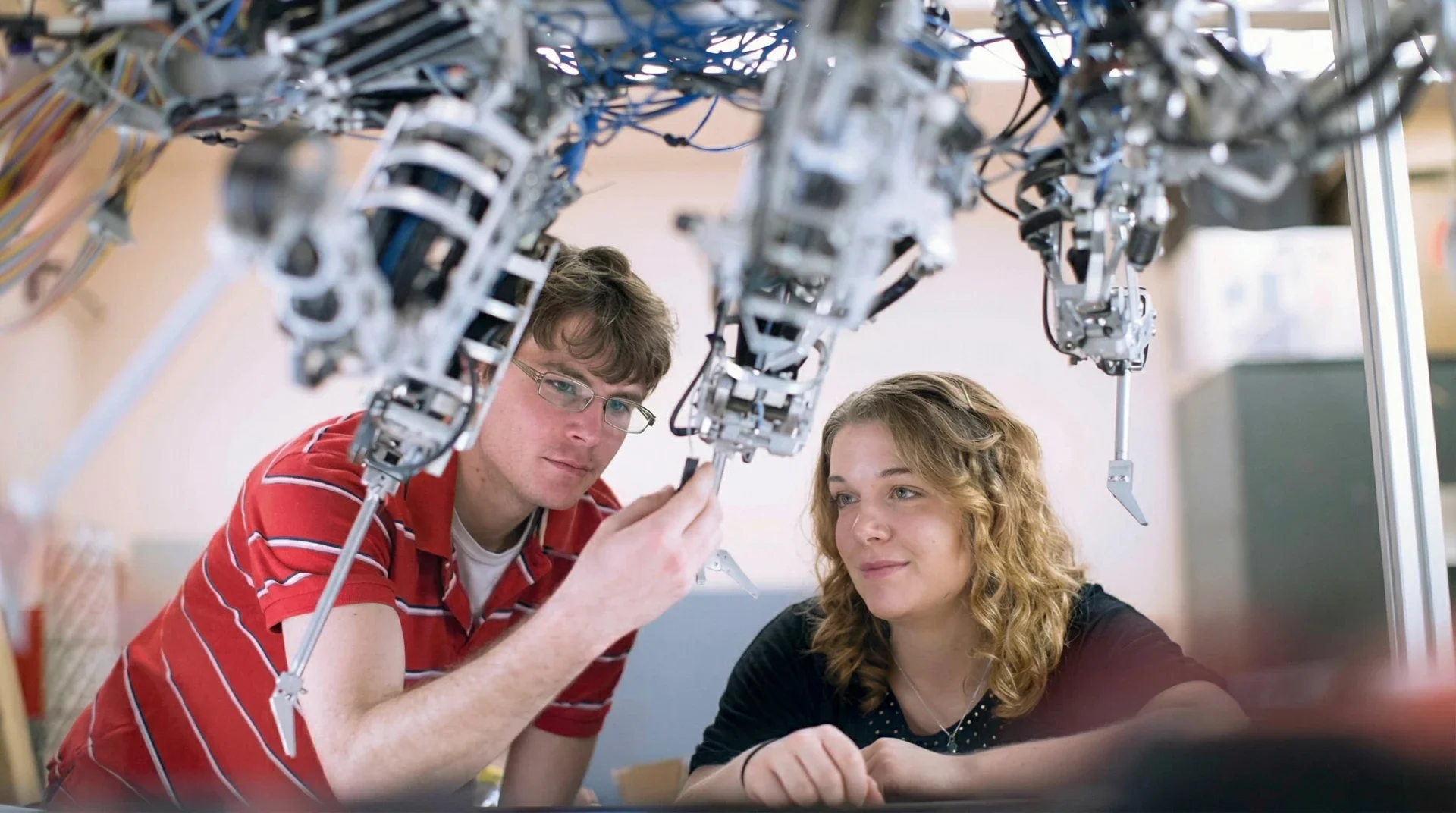
Makerspaces are built for doing. Instead of only learning theory, students create, test, and refine their ideas using tools such as 3D printers, laser cutters, and other fabrication equipment. This hands-on process builds problem-solving skills, creativity, and confidence. But just as important as the tools is how the space supports this process. Clear adjacencies, flexibility, visibility, and access all play a role in enabling experimentation and iteration. The space itself becomes part of the learning experience.
Designed for Collaboration
The most valuable part of a makerspace is not the equipment. It is the environment. Makerspaces bring together students from different disciplines in one shared space. Engineers, designers, artists, and entrepreneurs work side by side. Well-designed spaces make this interaction inevitable. Open layouts, shared work zones, and visual connections between programs encourage movement and exchange. These environments are designed for what might be called intentional collisions. Moments where ideas, disciplines, and perspectives intersect in unexpected ways. Innovation grows from these interactions.
Supporting Innovation and Entrepreneurship
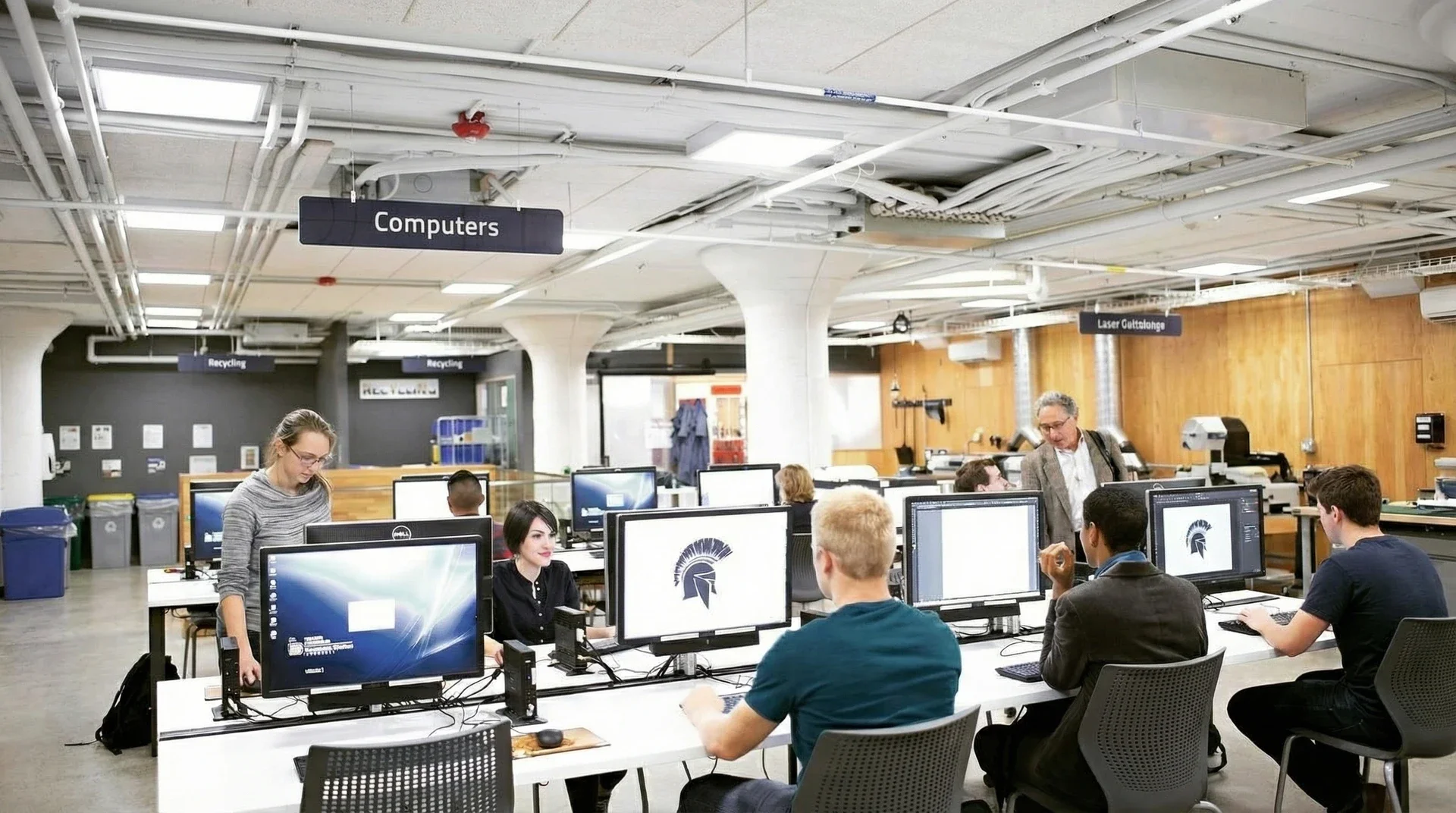
Makerspaces are not just learning environments. They are platforms for real-world impact. At Sears think[box] at Case Western Reserve University, the space is conceived as an open and accessible ecosystem for making. Organized vertically across multiple floors, the building supports a progression from ideation to prototyping to production. Open to both the university and the public, think[box] fosters a community of creators, entrepreneurs, and collaborators. Its accessibility, combined with the intentional design of the space, allows ideas to move fluidly from concept to application. The result is not just a place to learn, but a place to launch.
Why It Matters for Universities
Makerspaces are becoming essential to higher education.
They help universities:
Support interdisciplinary learning
Strengthen communication and teamwork skills
Encourage hands-on, project-based education
Demonstrate innovation and continuous improvement
These spaces align closely with evolving academic and accreditation goals while also signaling a broader institutional commitment to experiential learning. Traditional classrooms often focus on one subject at a time. Makerspaces encourage a broader perspective. Students begin to think about projects in a more complete way. Not just how something works, but how it looks, how it feels, and how it impacts people. This shift is reinforced by the physical environment. When design, fabrication, and testing exist in proximity, students naturally begin to think holistically.
Designing with Purpose
A successful makerspace begins with clarity.
Why are we creating this space?
What problem are we solving?
How will it support students and faculty?
What skills should it help develop?
What tools and environments are needed?
The answers to these questions shape not only the program, but the architecture itself. The most effective makerspaces are those where design and pedagogy are fully aligned.
The Future of Learning
Makerspaces are shaping the future of education. They connect discipline, encourage creativity, and give students the tools to bring ideas to life. And through thoughtful design, they create environments where that work can thrive. Learning becomes more than understanding. It becomes making.