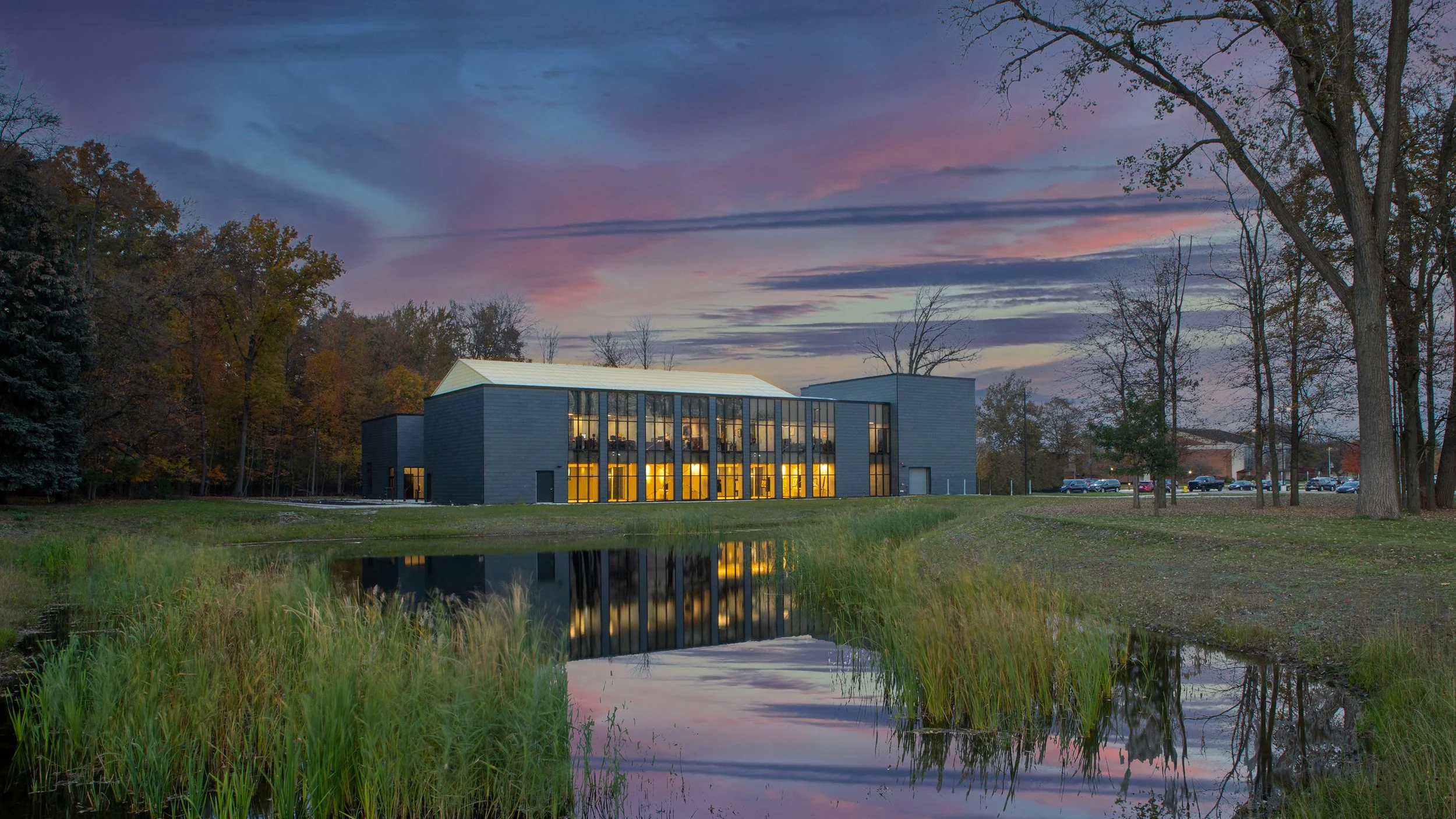
Designing for the Sacred Without Designing a Sanctuary
There’s a quiet challenge in designing for faith-based institutions today.
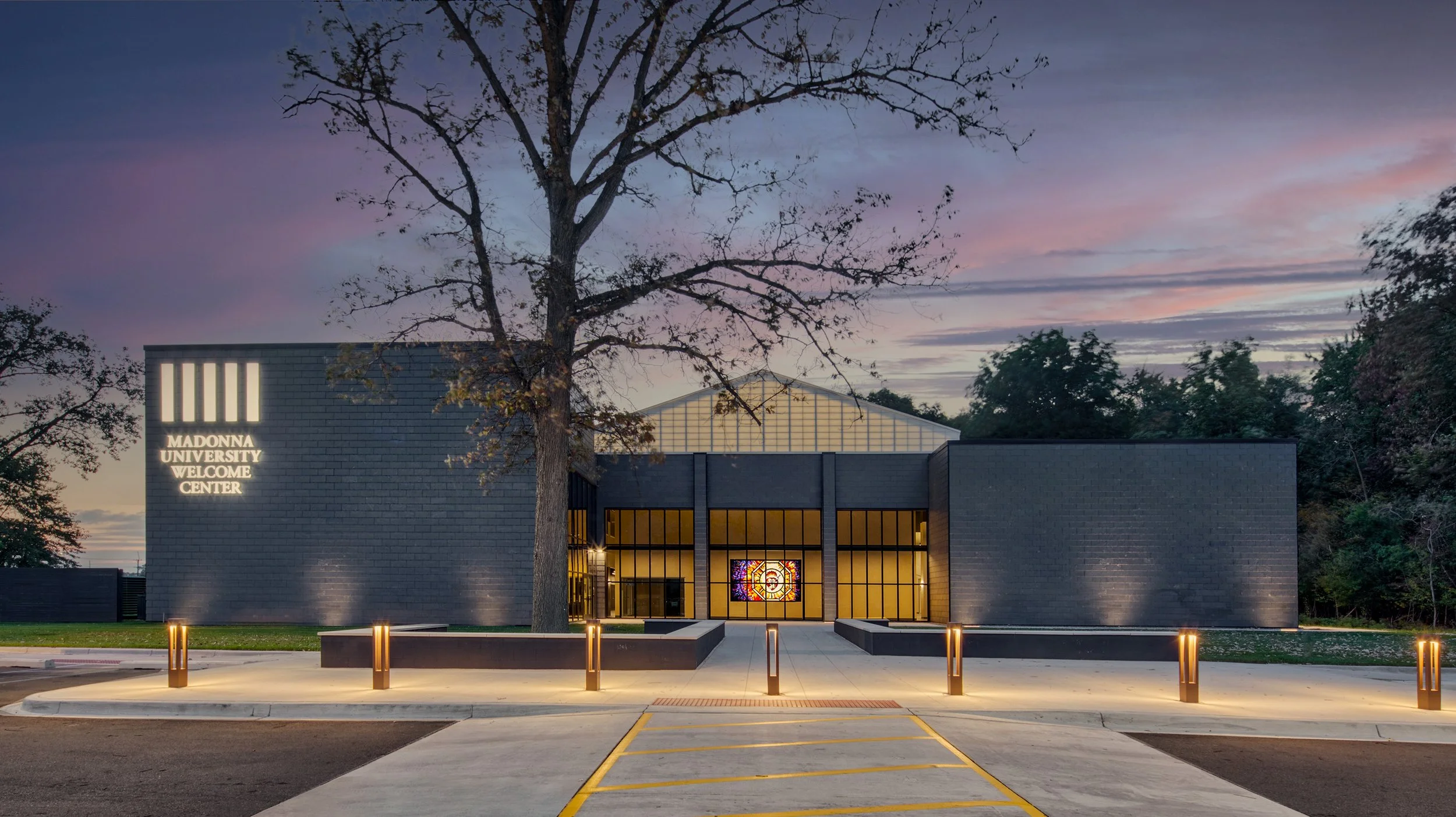
Not every building is a chapel. Not every space is meant for worship.
And yet, many still need to feel sacred.
At the Madonna University Welcome Center, the goal was not to create a place of worship, but something equally important. A space that reflects faith, memory, and meaning in everyday experience. A building that welcomes and still reveres.
When Mission Extends Beyond the Chapel
For many religious institutions, the most impactful spaces are no longer confined to traditional sanctuaries.
Welcome centers, student hubs, and administrative buildings. These are often the first touchpoints for students, visitors, and community members. They shape perception and communicate values long before a formal service ever does.
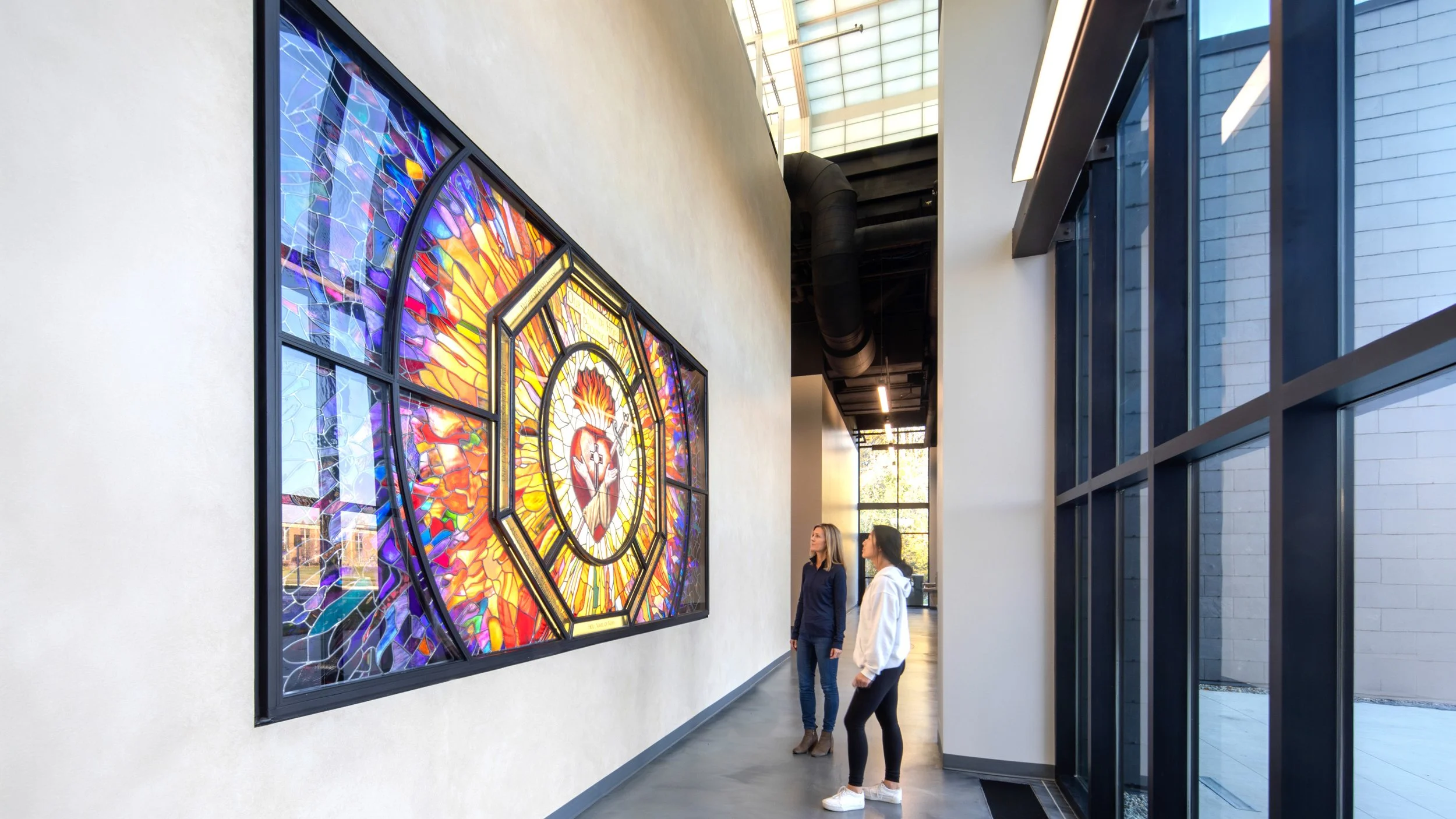
At Madonna University, the Welcome Center serves as both the front door to campus and a living archive of the Felician Sisters’ legacy.
This dual purpose required something more nuanced than symbolism. It required spatial storytelling, a building that embodies faith without functioning as a church.
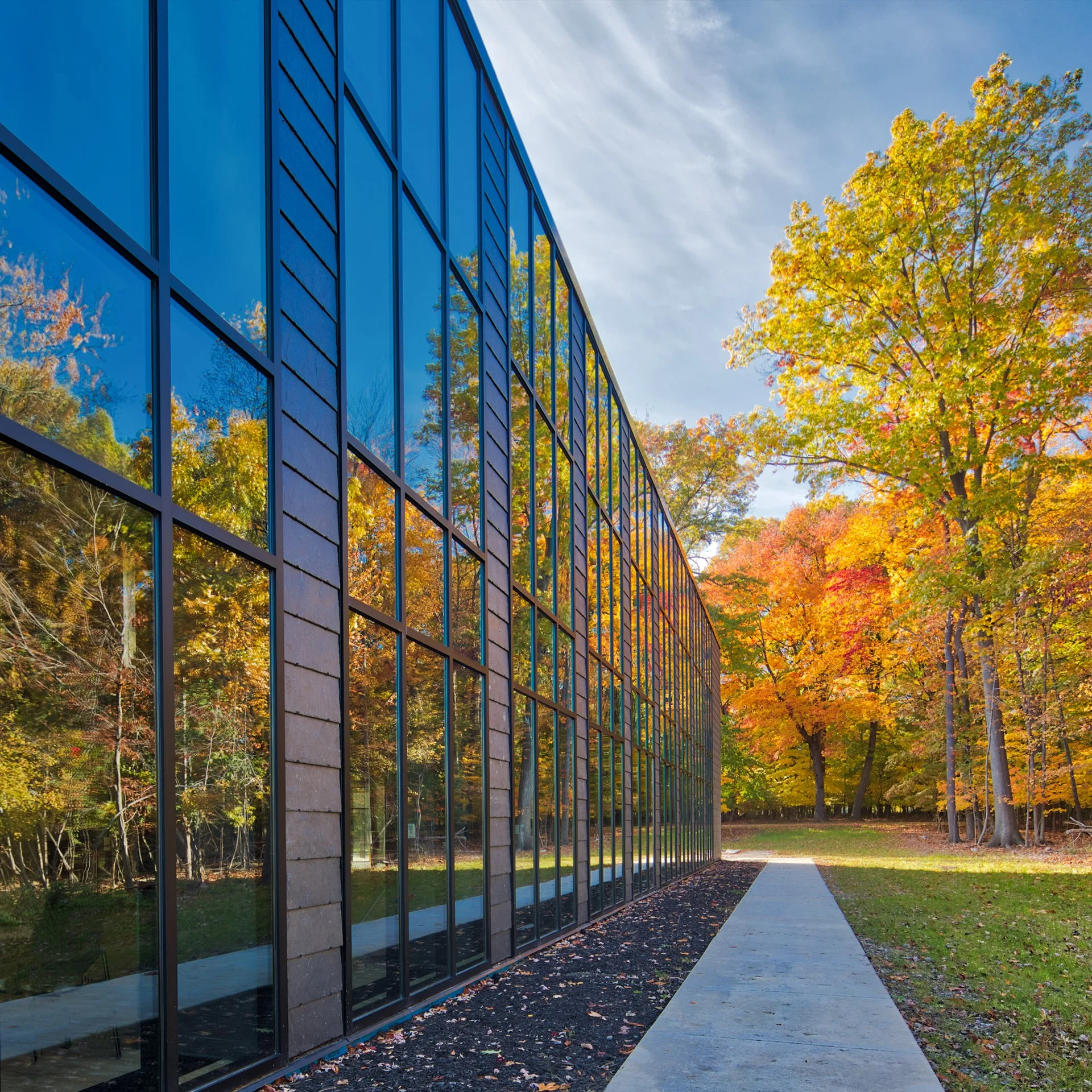
Subtle Signals of the Sacred
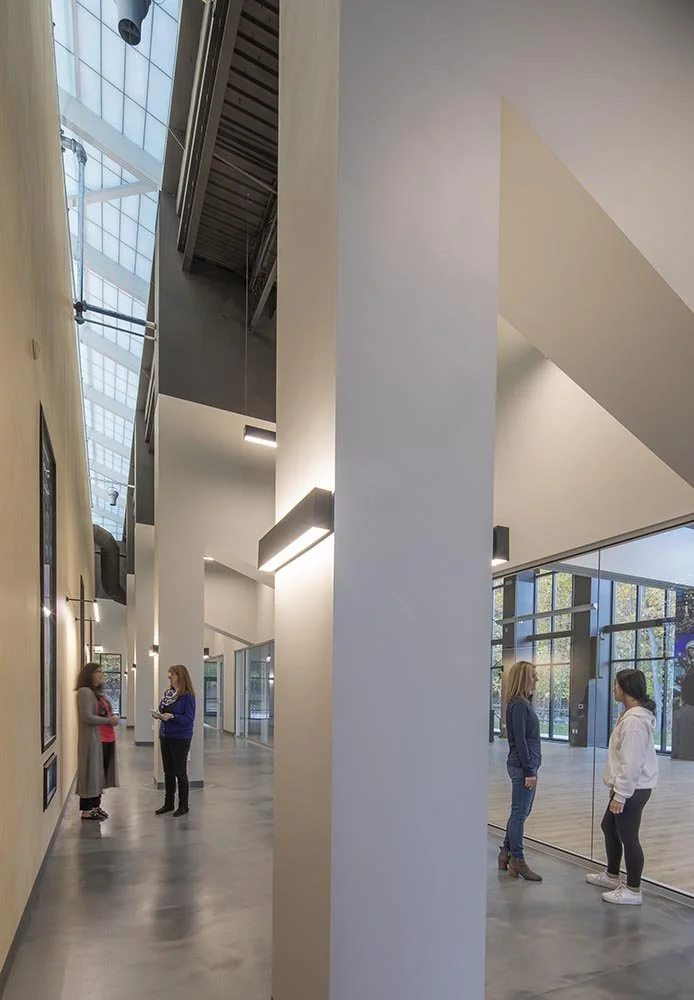
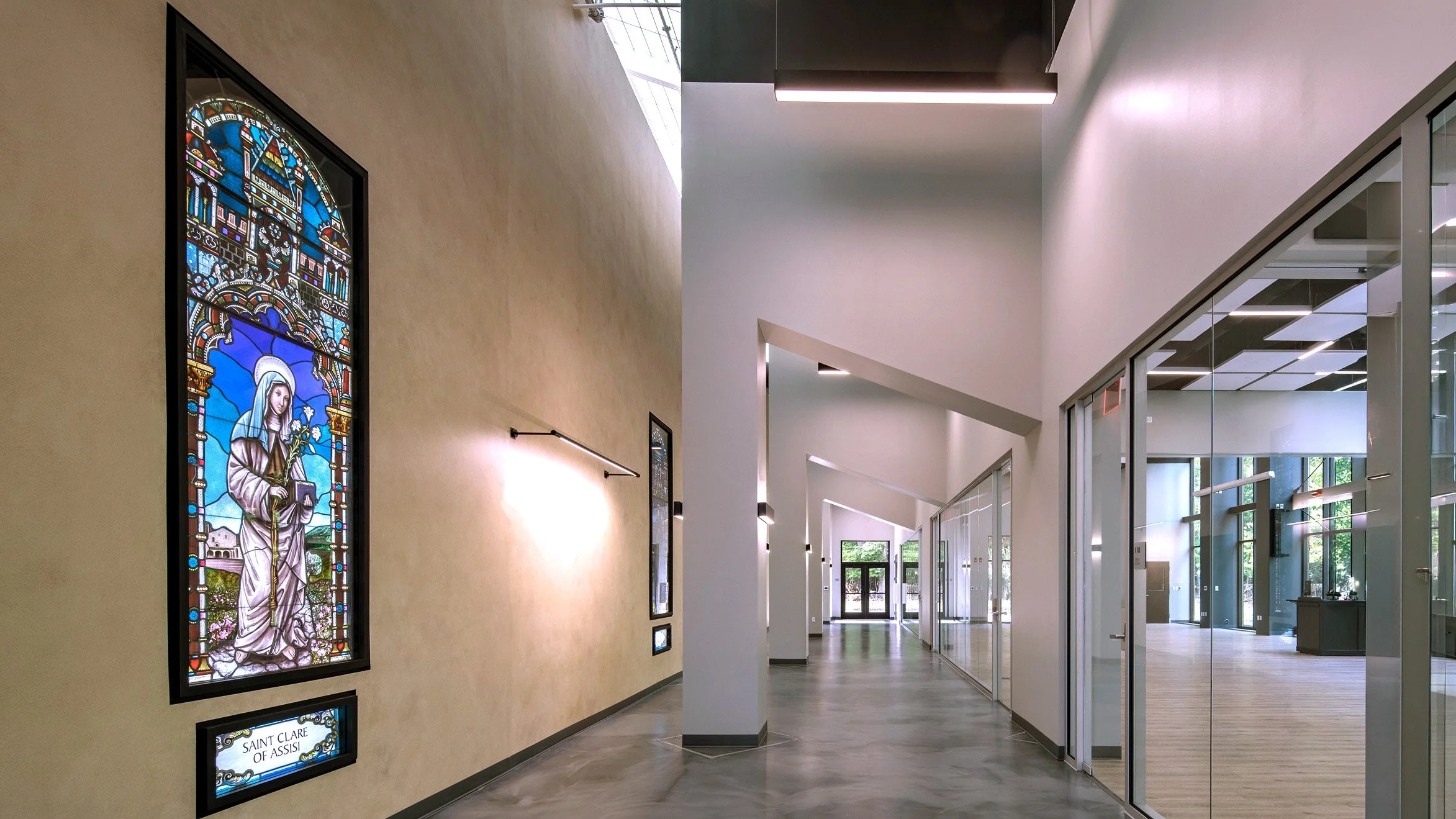
Rather than relying on overt religious iconography, the design draws on deeper architectural traditions of worship.
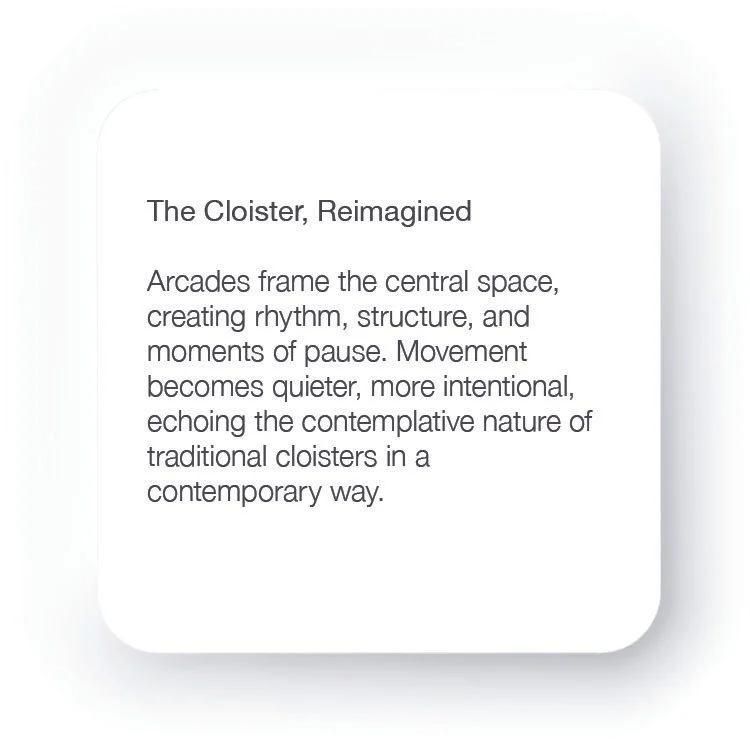
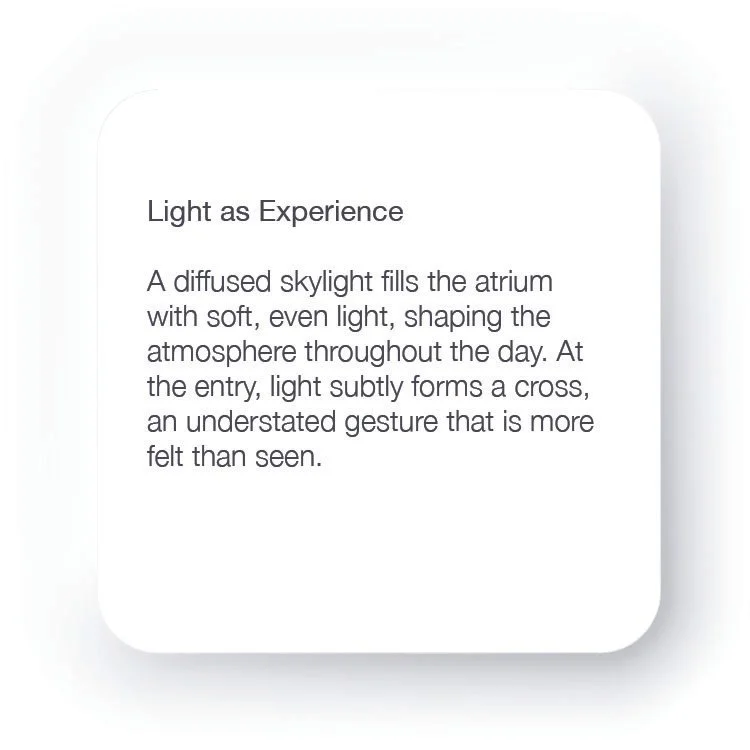
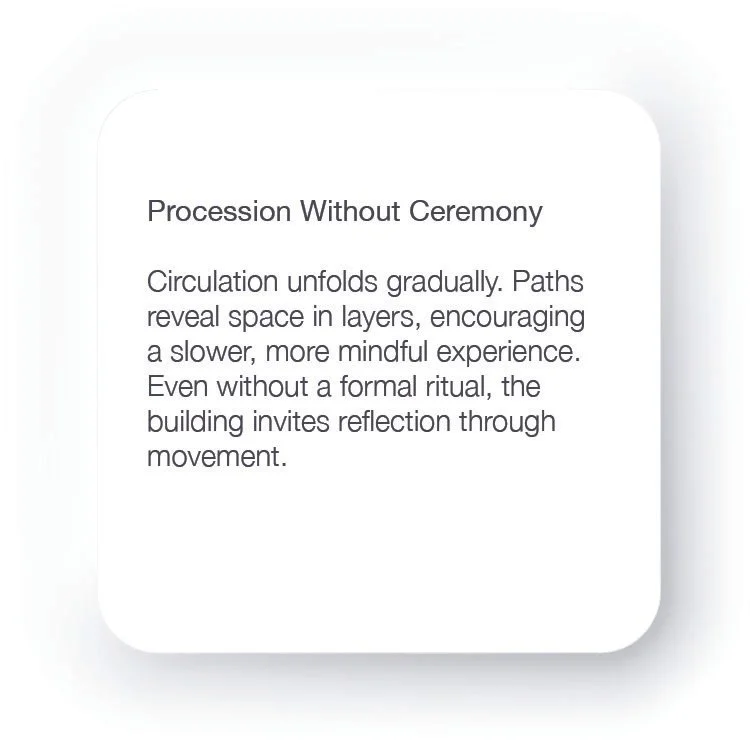
Designing for Legacy
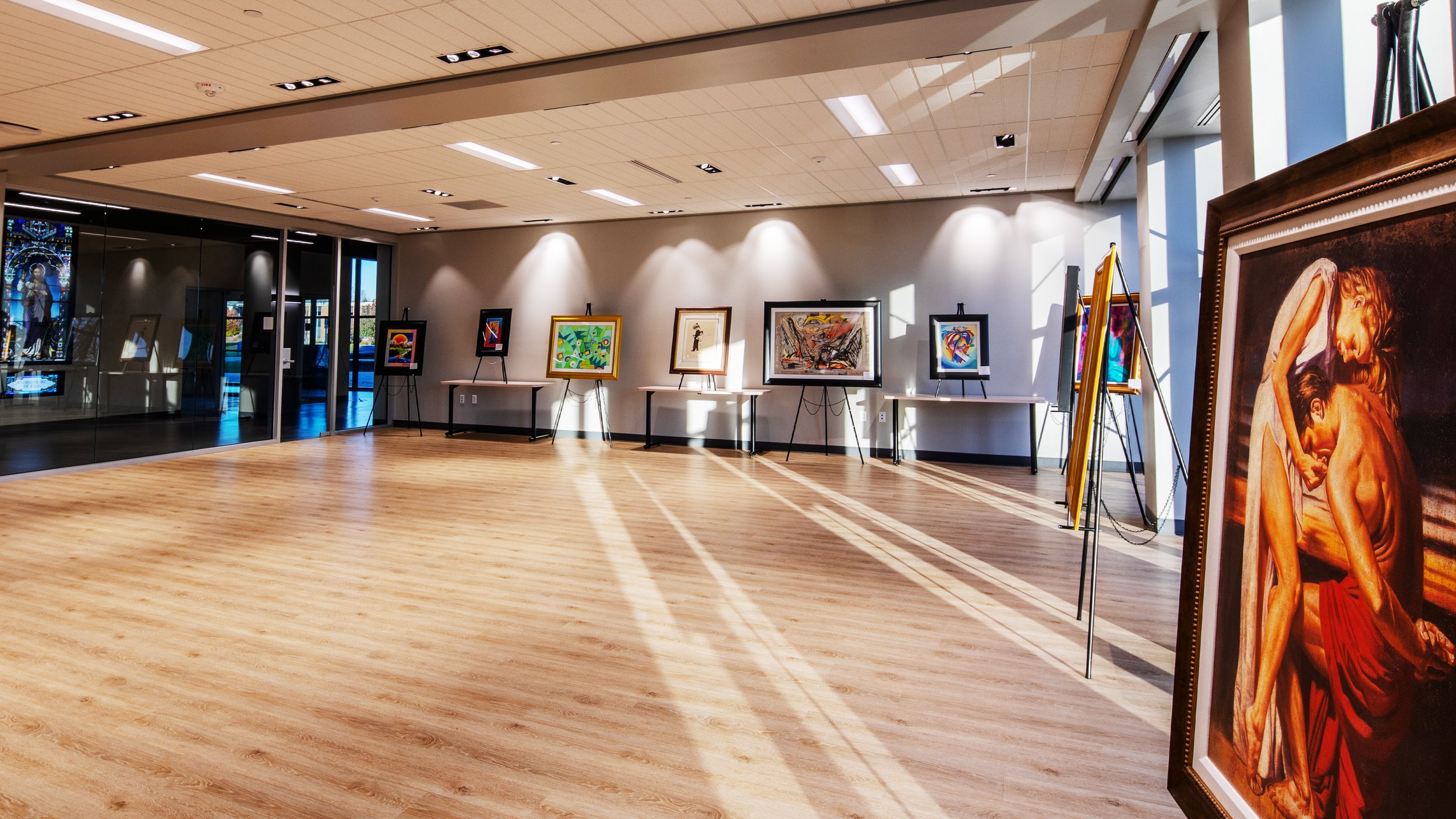
The Welcome Center serves not only students and staff, but visitors traveling from across the country, many drawn by the history of the Felician Sisters.
Within the building, exhibits and archives preserve that legacy, while shared spaces ensure it remain part of daily life on campus. The result is a building that does more than function.
It holds memory.
It communicates values.
It quietly reinforces the mission every day.