Yes In God’s Backyard: Faith, Land, and the Future of Housing
Reframing underutilized land as a catalyst for housing, community, and long-term stewardship.
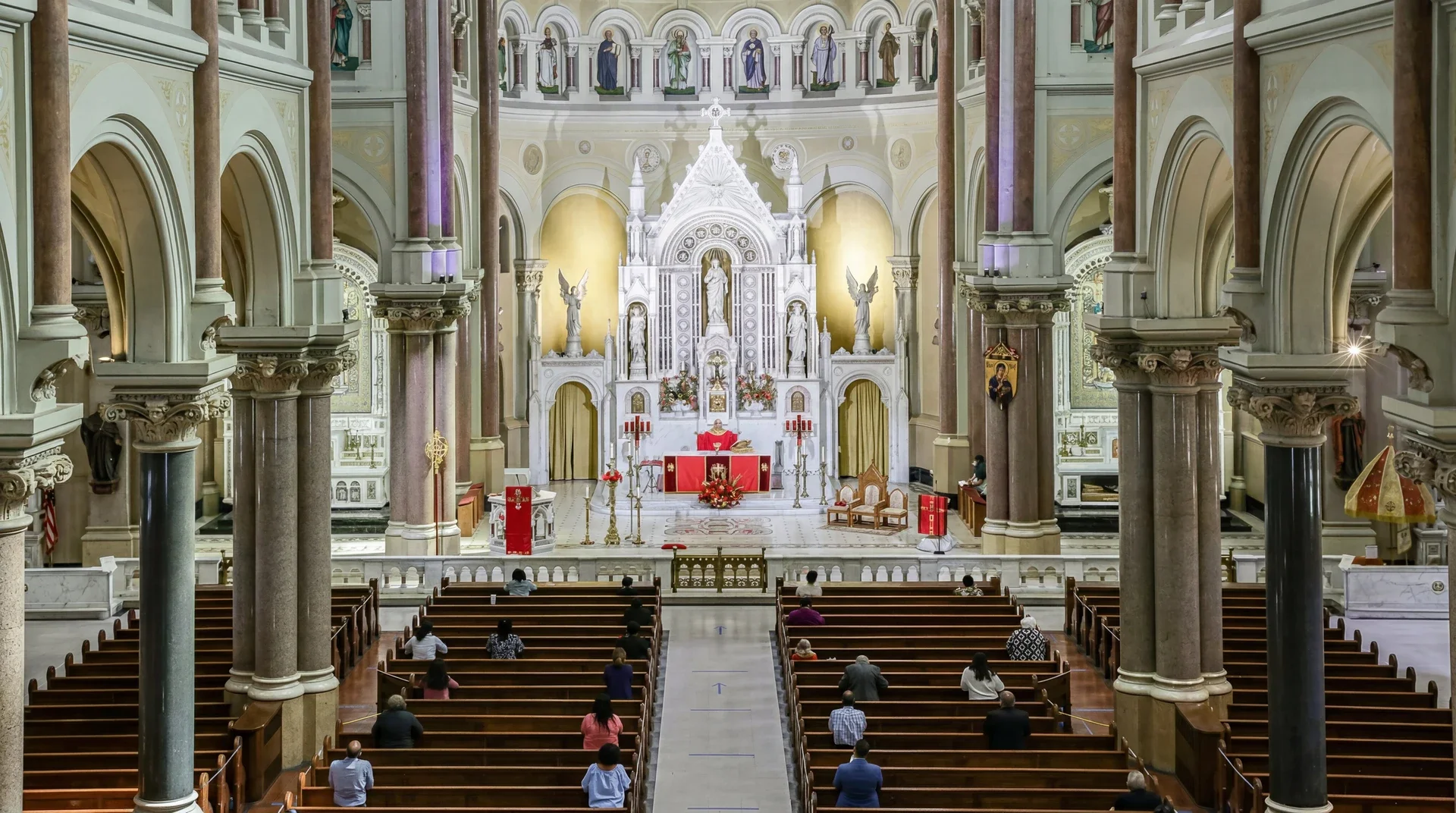
Our Lady of Perpetual Help - Boston, MA
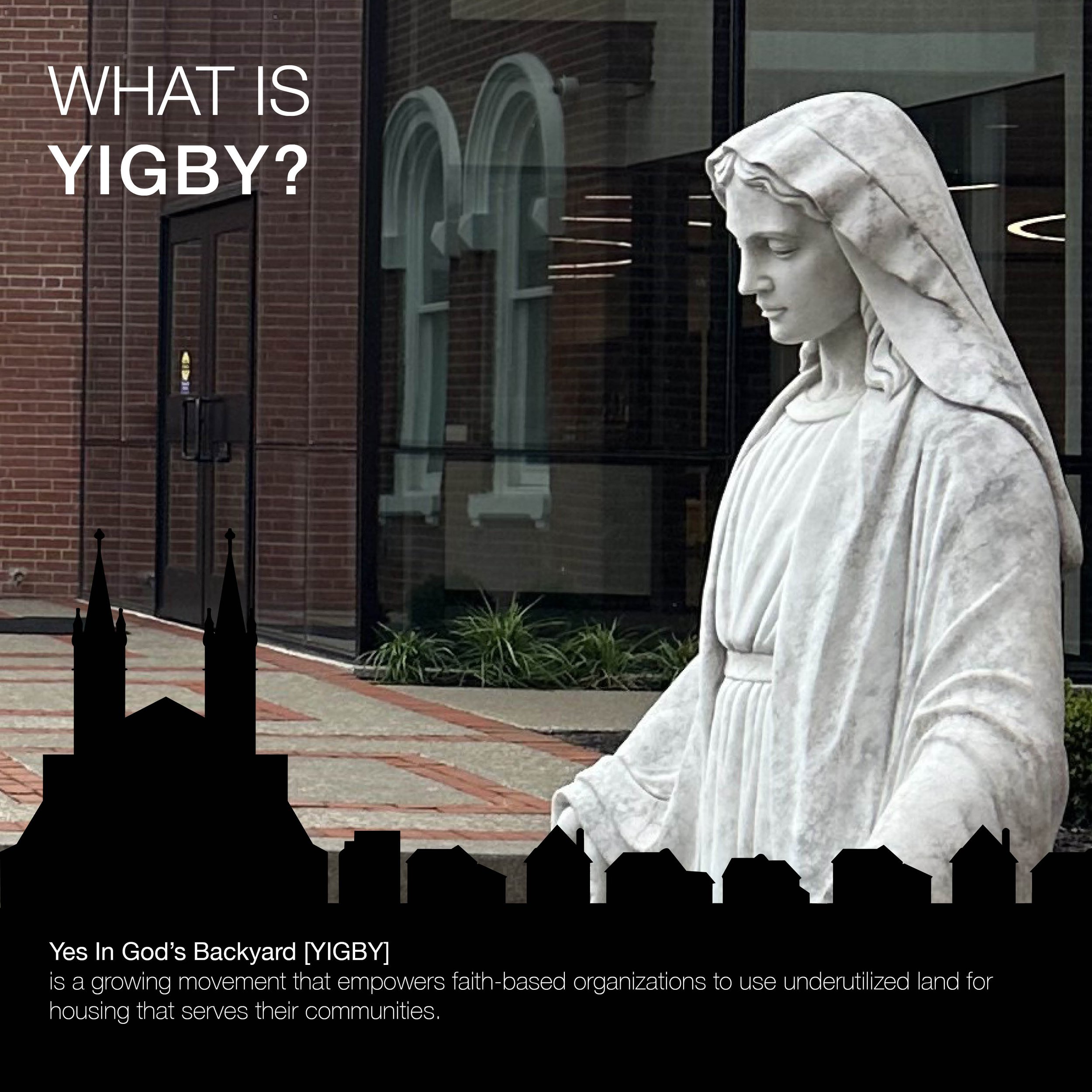
The Church Properties Initiative at the University of Notre Dame is helping to surface a reality that many congregations are beginning to recognize. Faith-based organizations are not on the sidelines of the housing conversation. They are uniquely positioned to shape it.
At this year’s conference, the idea of Yes In God’s Backyard, or YIGBY, felt less like a trend and more like a shift in responsibility.
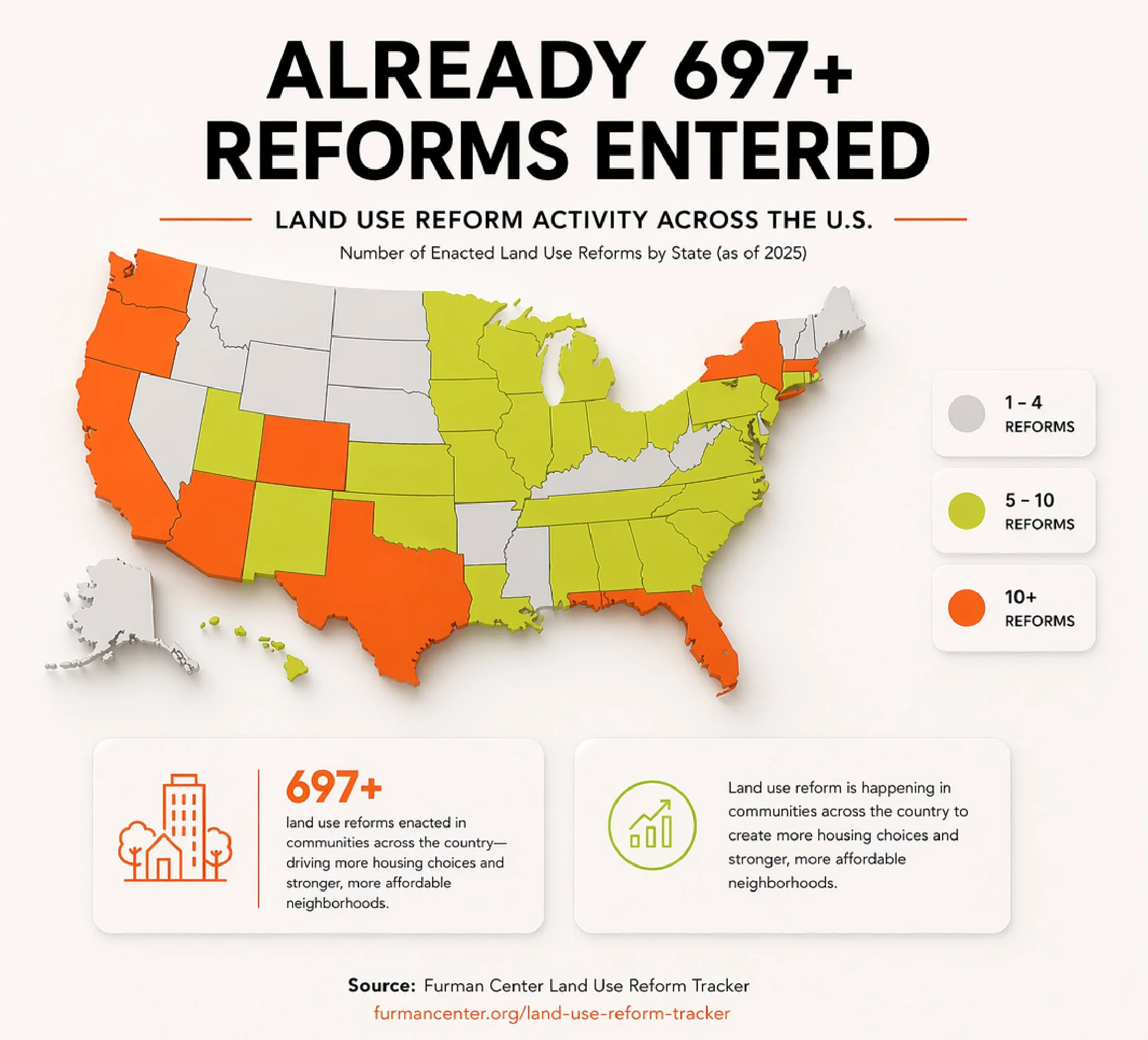
From Land Ownership to Land Stewardship
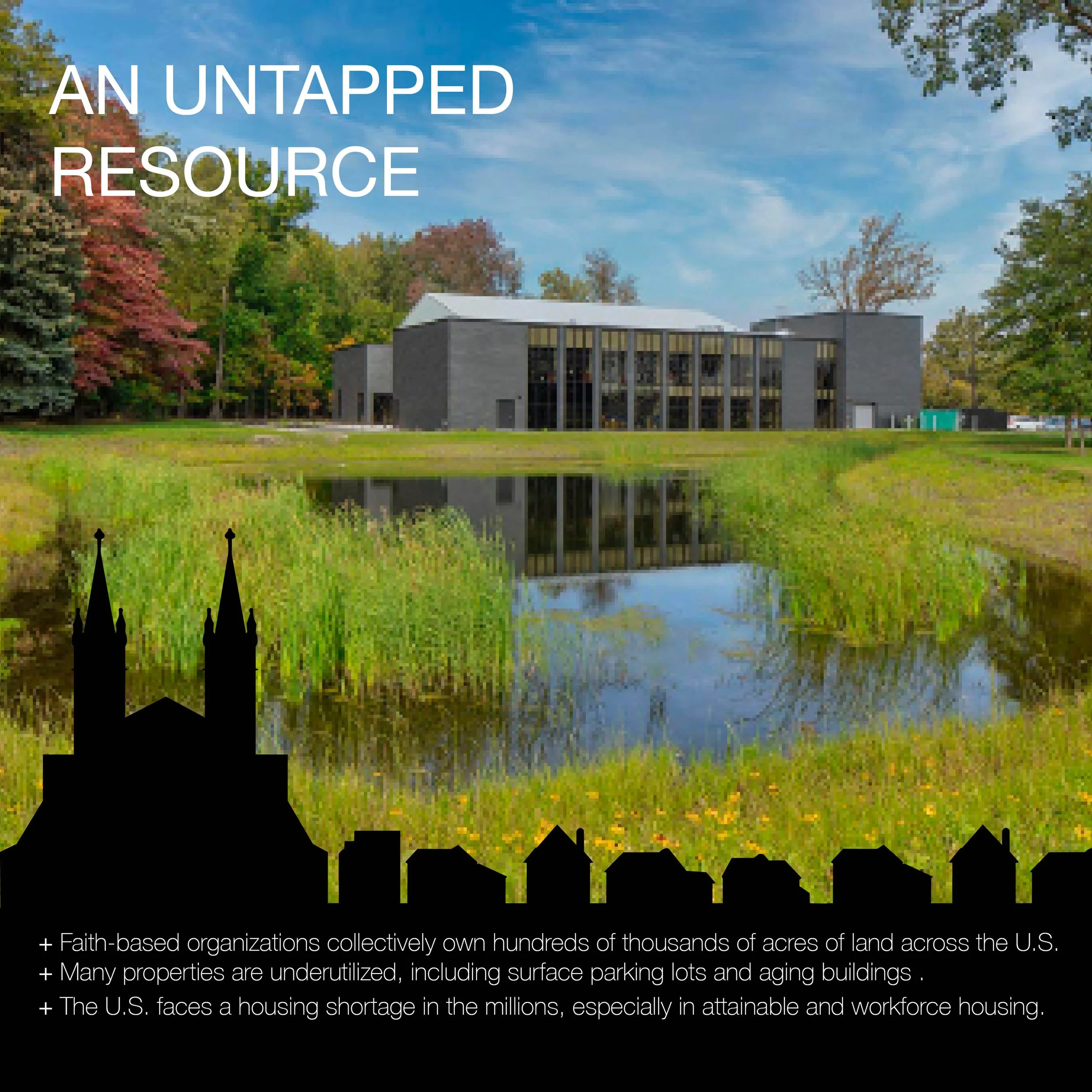
Many faith communities have spent decades acquiring and maintaining land in service of their mission. But the way that land is used today often reflects a different era. Larger congregations. Different program needs. A reliance on surface parking and single-use buildings.
That mismatch is becoming harder to ignore.
At the same time, housing insecurity is affecting the very communities these organizations are called to serve. Teachers, service workers, young families, and aging populations are increasingly priced out of the neighborhoods they support.
This is where the question begins to shift. Not what we own, but what we are called to do with it. For many congregations, that answer is starting to include housing.
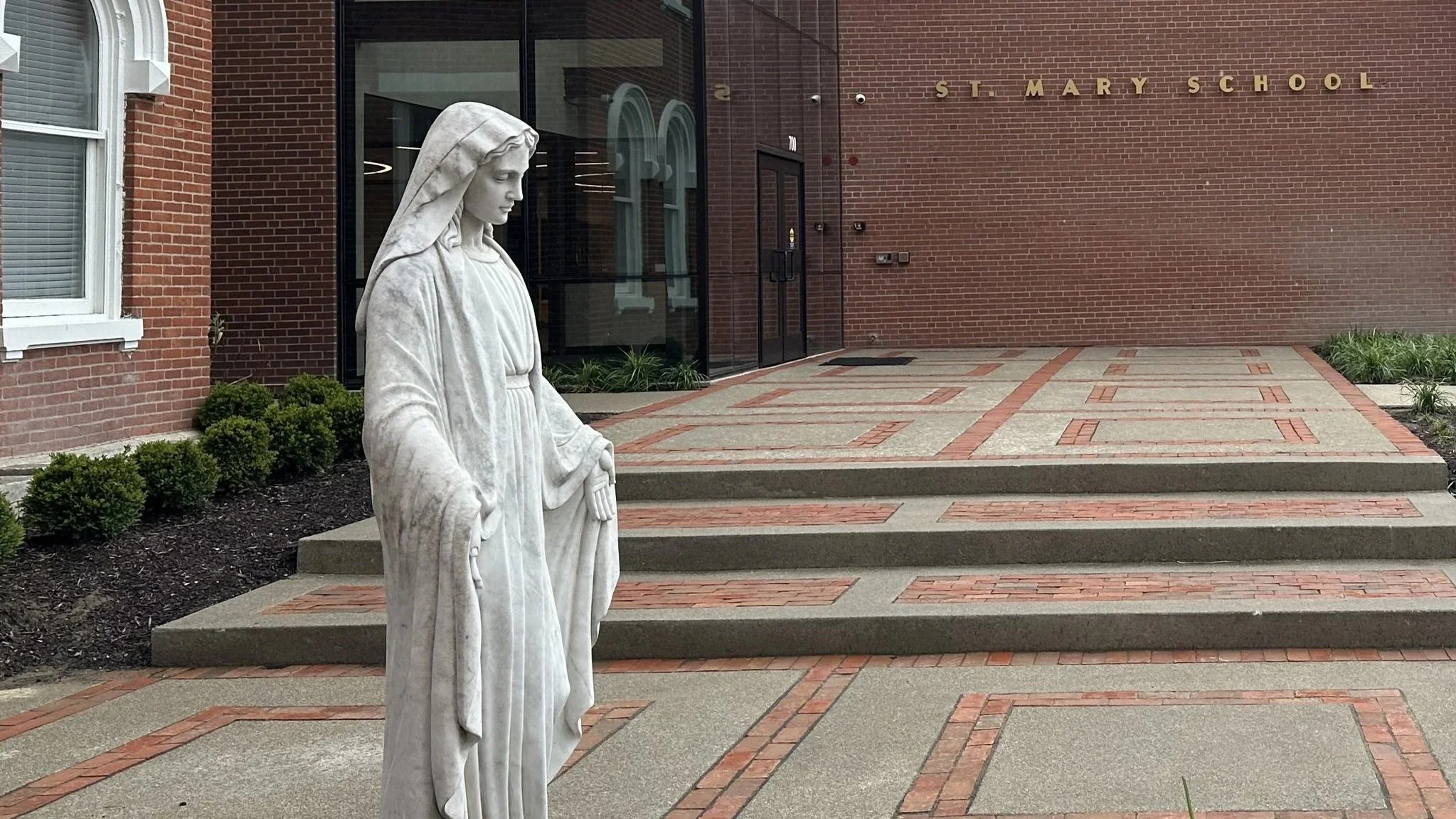
Saint Mary’s School - German Village, Ohio
A New Layer of Decision Making
YIGBY is not simply about saying yes to development. It introduces an entirely new layer of decision-making for faith-based organizations.
Questions that were once outside the scope of church leadership are now becoming central:
Should we develop our land, ground lease it, or partner with a developer
What types of housing align with our mission
Who do we want to serve, and how do we define affordability
How do we maintain our identity while introducing new uses
These are not purely financial or operational decisions. They are deeply value-based.
And they require a level of clarity that many organizations have not had to articulate before.
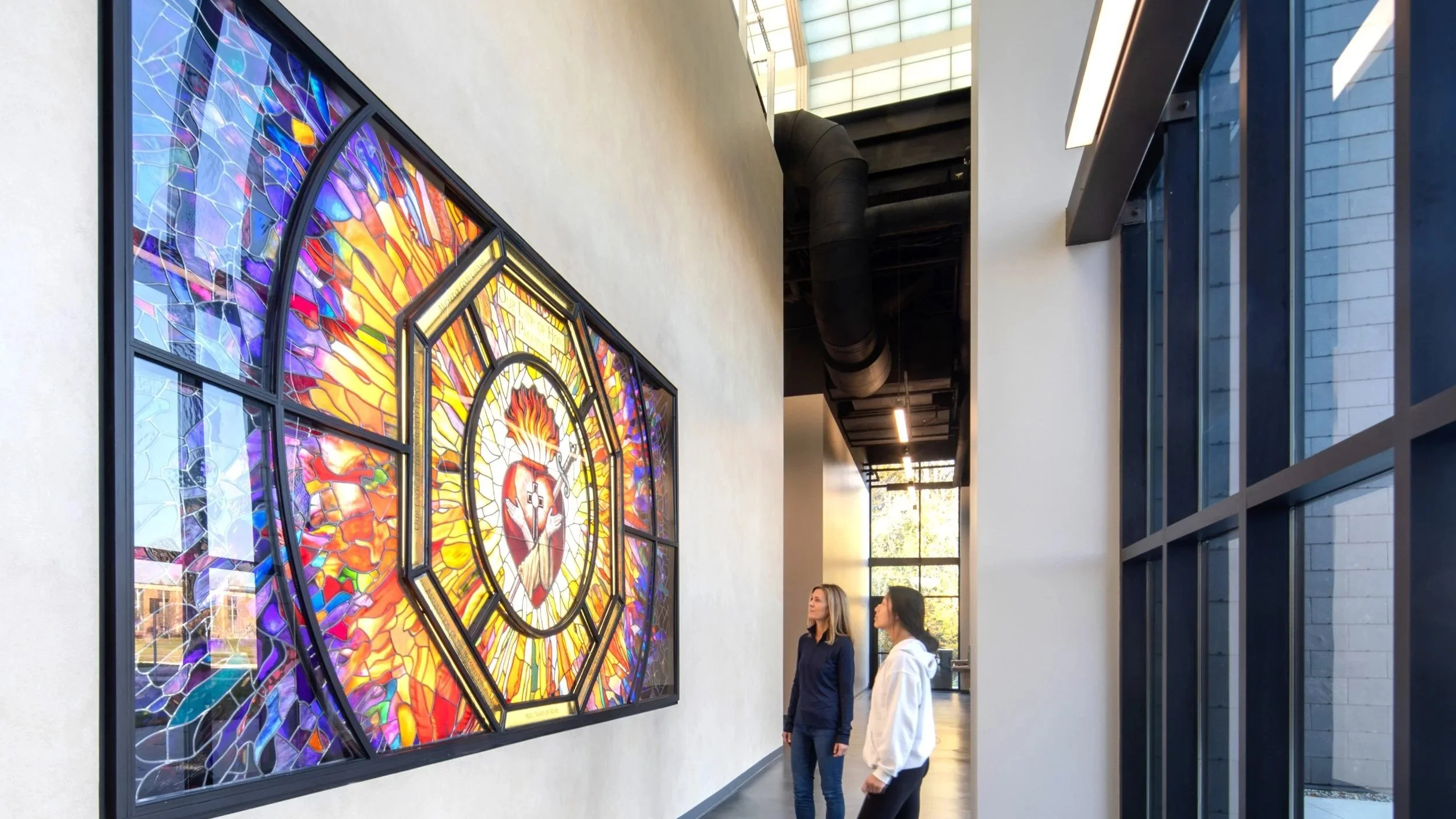
Madonna University Welcome Center - Liviona, MI
Navigating Complexity Without Losing Mission
The opportunity is significant, but so is the complexity.
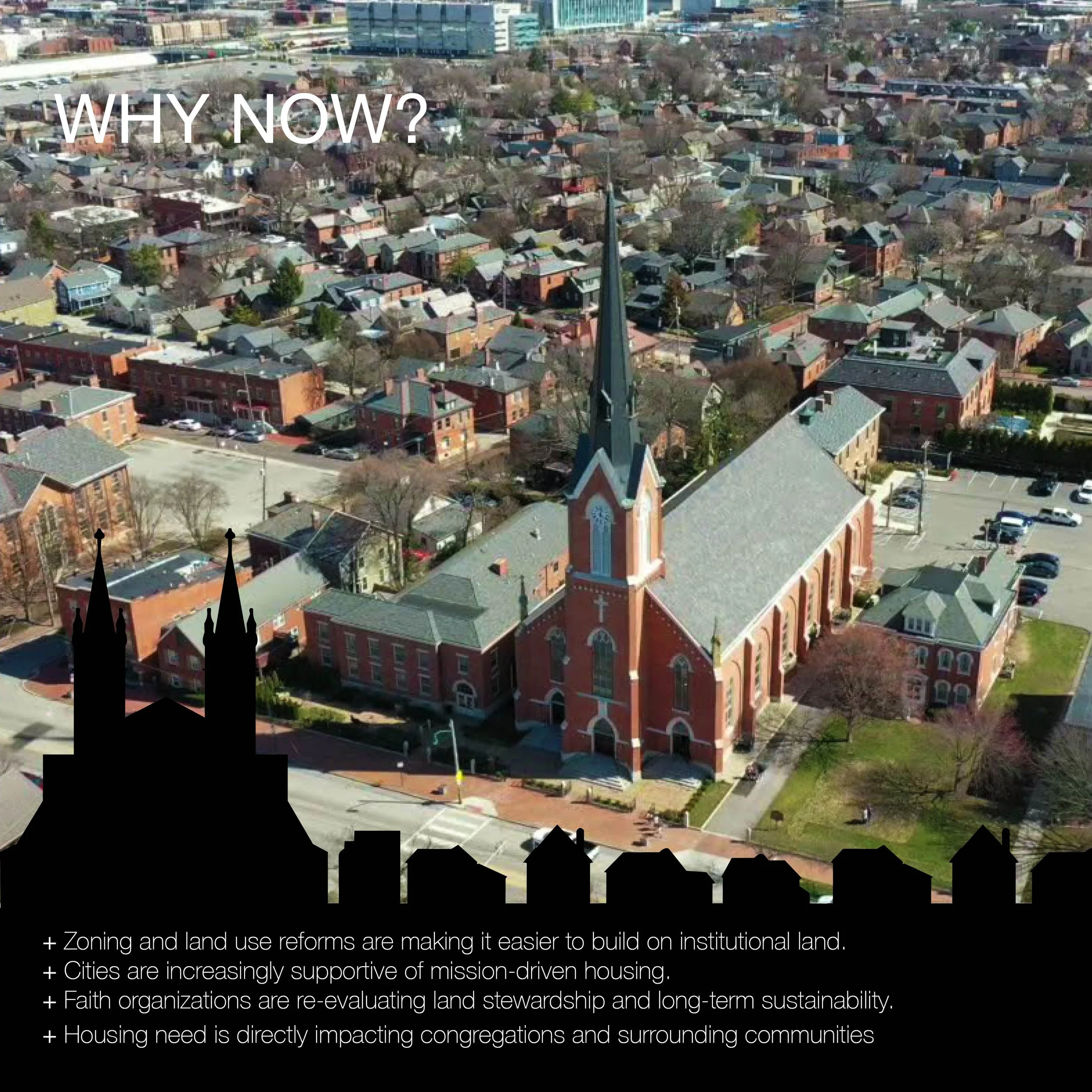
Zoning, financing, community engagement, and long timelines can make housing feel out of reach. There is also natural hesitation. Concerns about risk, loss of control, or changing the character of a place that holds deep meaning.
What emerged clearly at the conference is that successful projects are not the ones that move fastest. They are the ones who stay anchored in mission throughout the process.
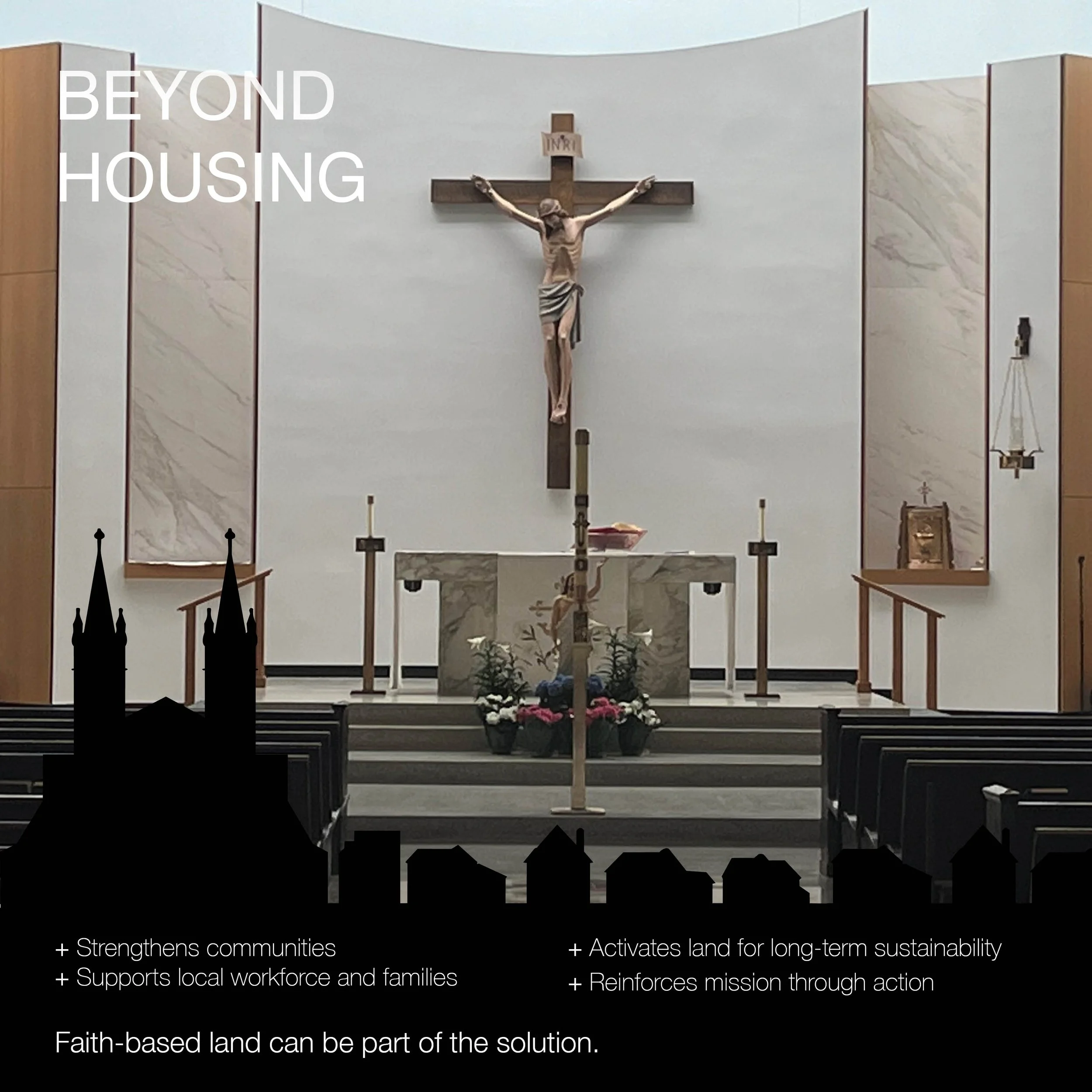
Housing on faith-owned land works best when it is not treated as an external add-on, but as an extension of the institution’s purpose.
That might mean prioritizing community gathering spaces alongside residential units. It might mean integrating services or designing in a way that preserves the campus's identity. It might mean choosing partners who understand that this is not just a transaction.
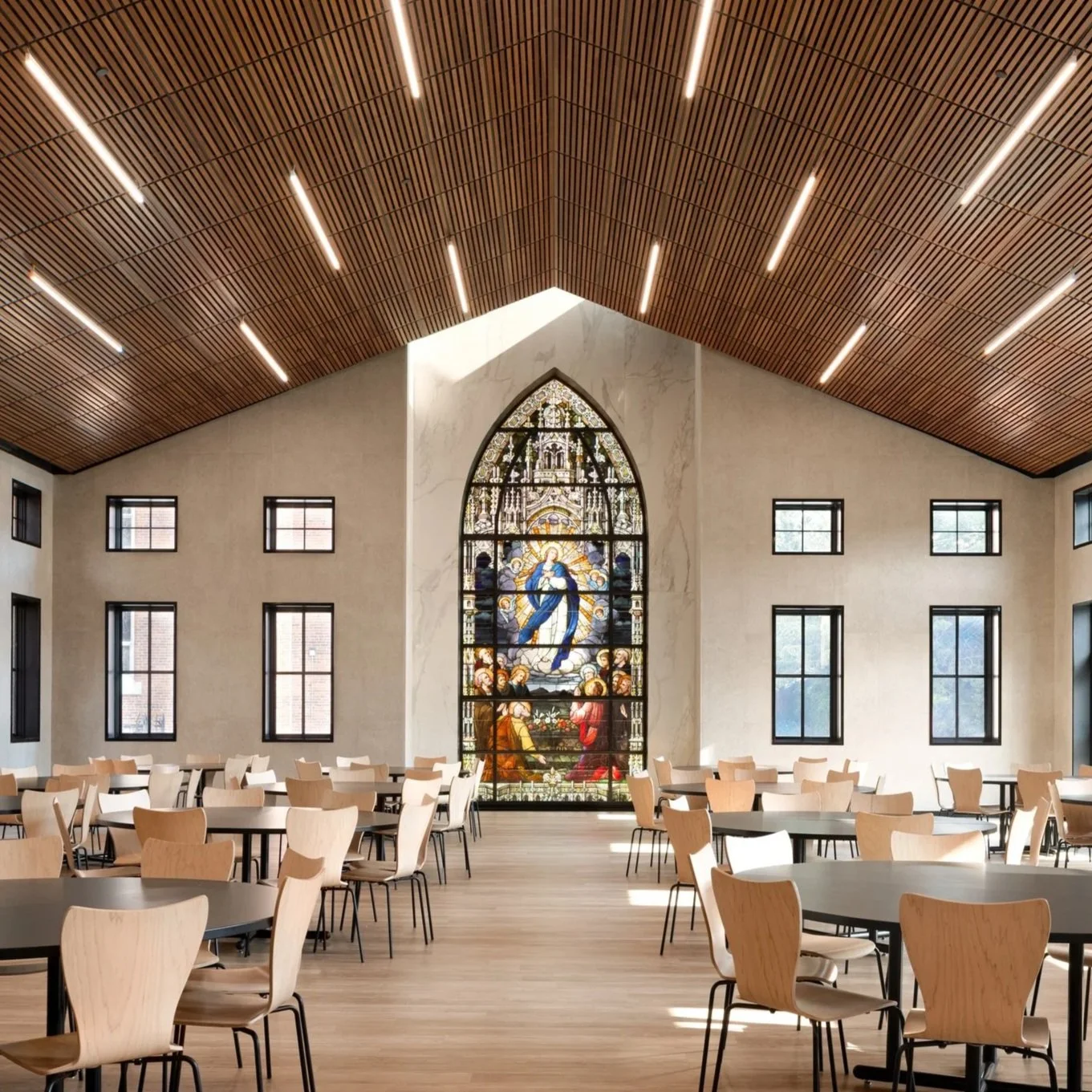
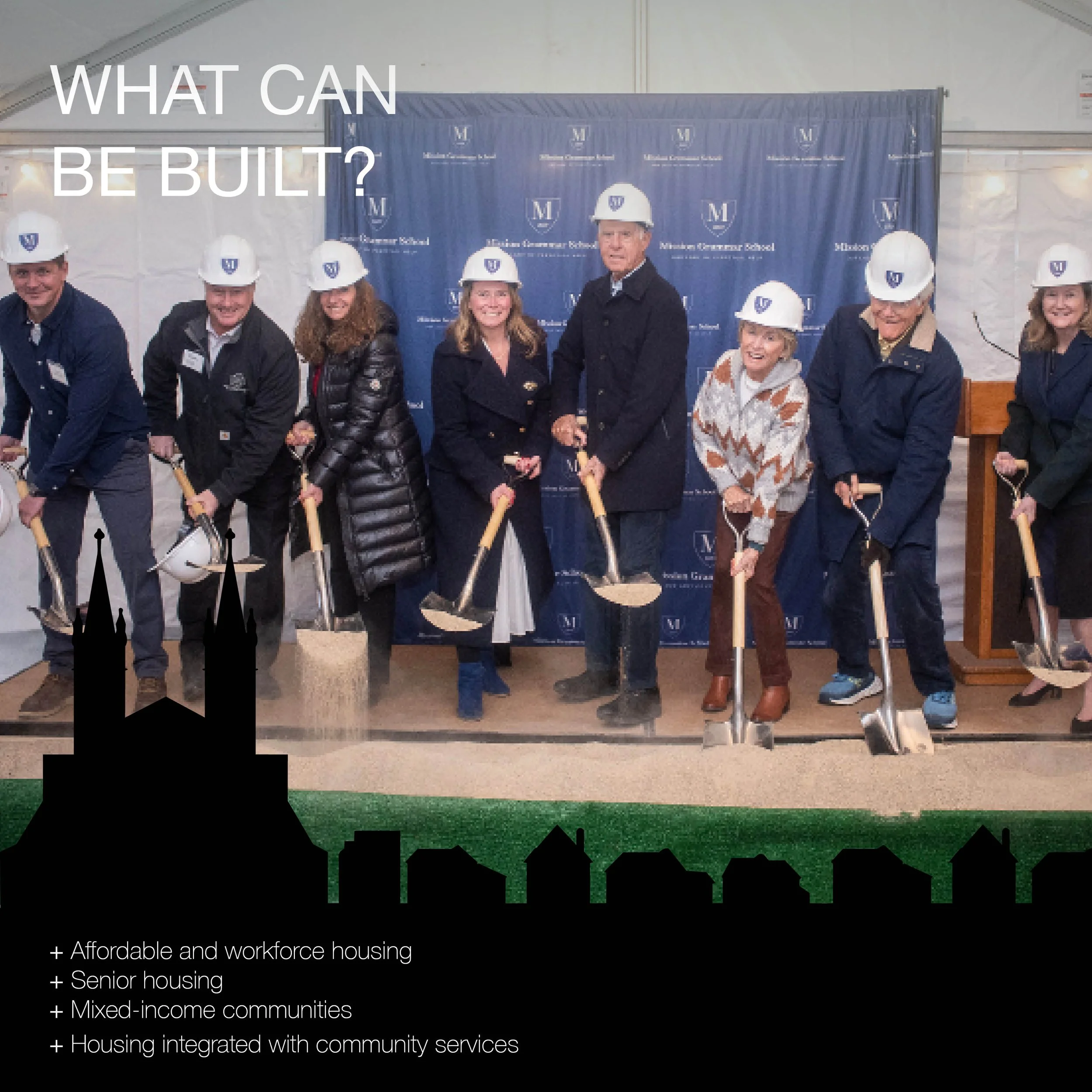
Mission Grammar School - German Village, OH
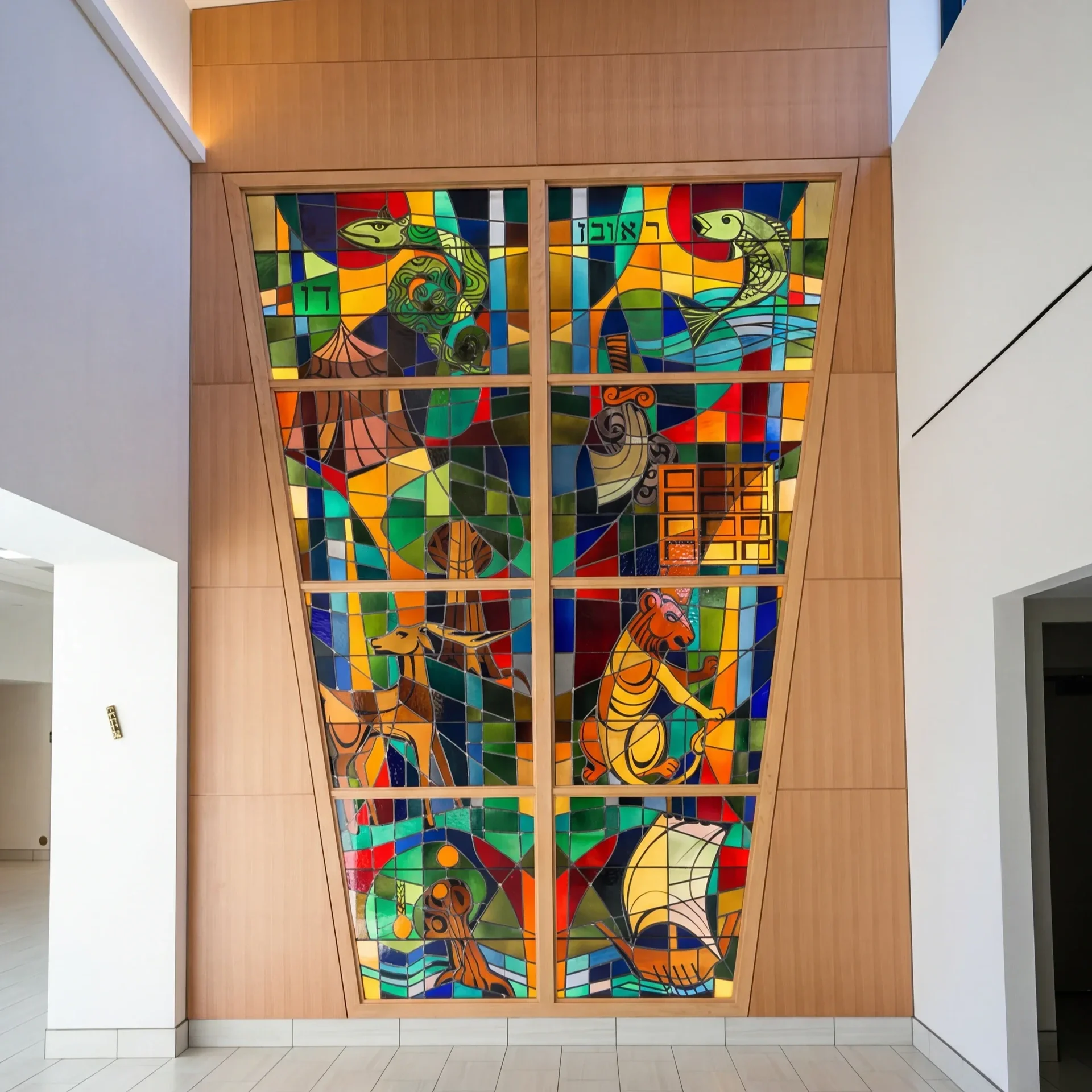
Green Road Synagogue - Beachwood, OH
The Role Faith-Based Organizations Can Play
Faith-based organizations have an influence that is often underestimated. They are trusted. They are embedded. They are long-term.
That combination allows them to do things that are difficult for traditional developers or municipalities alone.
They can:
Introduce housing in communities where it might otherwise face resistance
Frame development as a service rather than a disruption
Take a longer view on impact, beyond immediate return
In many ways, they can change the narrative around housing entirely. Not as density to be managed, but as a community to be supported.
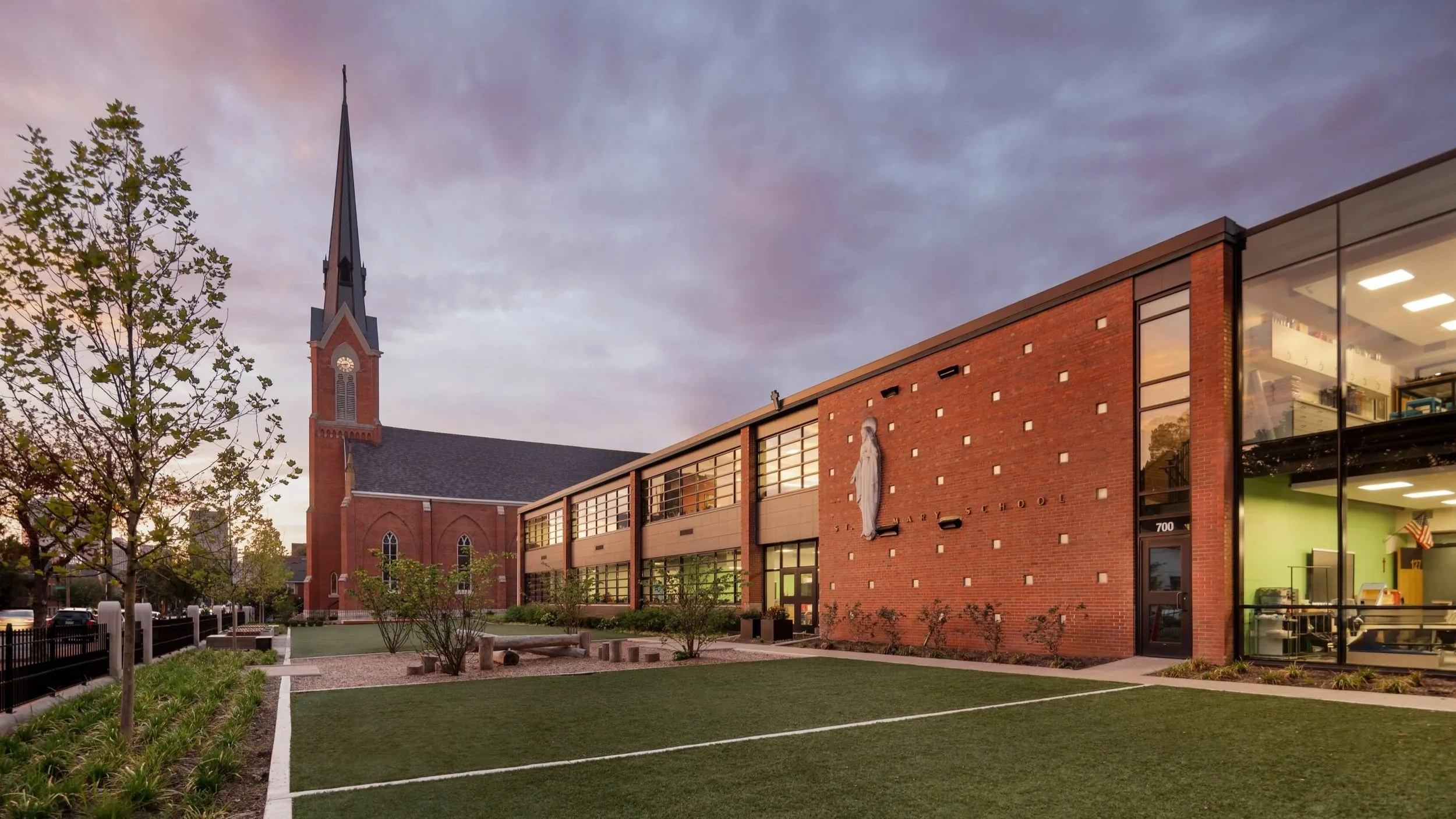
Saint Mary’s Catholic Church - German Village, OH
What This Means Moving Forward
This moment is not about every congregation becoming a developer. It is about recognizing that land is one of the most powerful assets faith-based organizations hold, and that its impact can extend far beyond its current use.
For some, that will mean exploring partnerships. For others, it may begin with small steps, rethinking a parking lot, a vacant building, or a portion of unused land. But the broader shift is already underway. Faith-based organizations are moving from passive landowners to active participants in addressing one of the most pressing challenges facing their communities. And in doing so, they are redefining what it means to serve.