Listening First: How Student Engagement Strengthens Schools, Communities, and the Future of Design
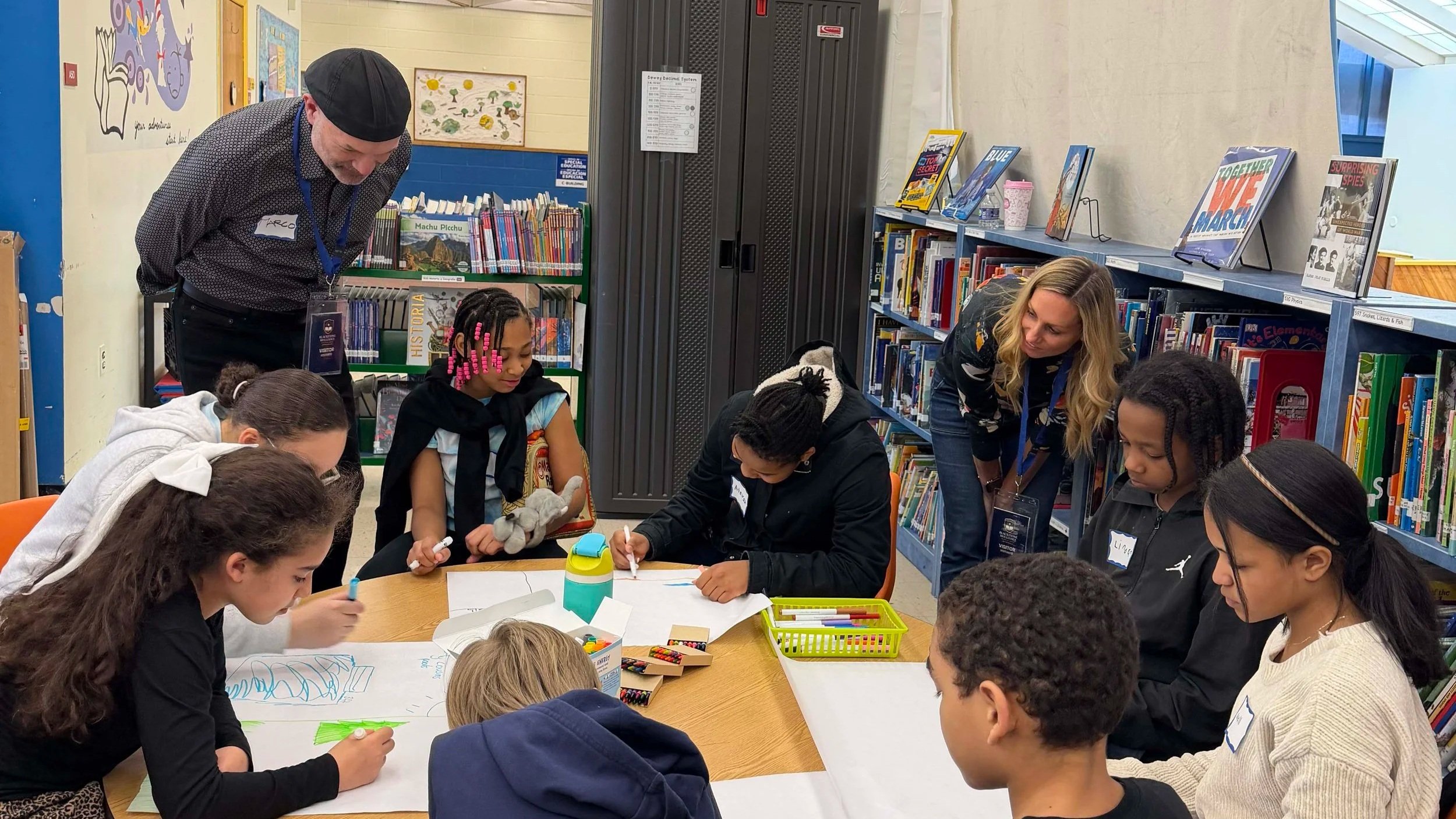
Blackstone School - Boston, MA [April 2026]
Architecture begins long before a line is drawn. It begins in conversation. It begins with listening carefully to the people who live, learn, gather, worship, work, and grow within the spaces we are asked to imagine. For MKC Architects, community engagement is not a secondary service or a public-relations exercise. It is a foundational part of how meaningful buildings are made. This is especially true in our work with schools, community organizations, and nonprofit partners. As a firm whose clients are approximately 80 percent nonprofit organizations, MKC has long understood that our responsibility extends beyond the delivery of drawings, specifications, and constructed buildings. Our work also includes helping organizations clarify their mission, articulate their aspirations, understand their constituents, and translate shared values into built form.
Community engagement is one of the most important ways this happens. Through visioning sessions, student stakeholder meetings, focus groups, workshops, conference presentations, career-day programs, design conversations, and civic events, MKC works alongside clients and communities to create opportunities for dialogue. These sessions introduce new topics, uncover local knowledge, test ideas, and invite people into the process of shaping their own environments. At the center of this work is one conviction: the people who use a place every day often understand it in ways that cannot be captured through plans alone. Among those voices, students are among the most important.
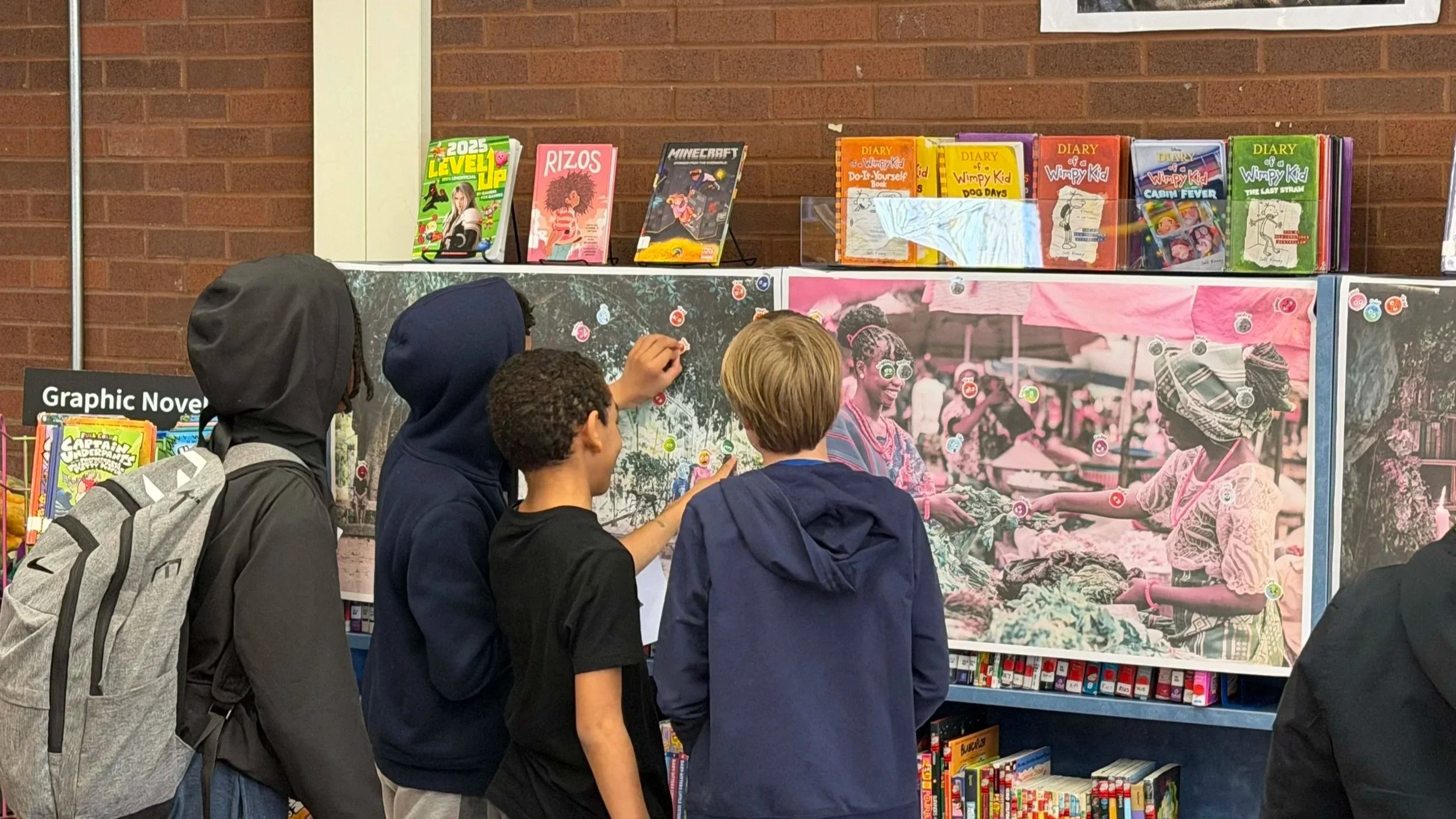
Blackstone School - Boston, MA [April 2026]
Why Student Voice Matters
Schools exist for students, yet students are often the last stakeholders invited into planning conversations. Adults make decisions about classrooms, corridors, cafeterias, libraries, gyms, chapels, arrival sequences, safety procedures, furniture, technology, and gathering spaces. Students then inherit the results.
Student stakeholder sessions reverse that pattern. They treat students not merely as building users, but as essential interpreters of the educational environment. Students know where they feel safe and where they feel exposed. They know where informal learning happens. They know which spaces are welcoming, which spaces feel underused, and which routines create stress or confusion. They know how a building supports community and how it sometimes works against it. A well-structured student focus group can reveal more than preference. It can reveal patterns of belonging, movement, identity, aspiration, anxiety, pride, and possibility. When students are asked thoughtful questions, they often respond with surprising clarity. They may not speak in architectural terminology, but they understand space experientially. They know where light matters. They know where social life happens. They know the difference between a hallway that feels like a leftover passage and a commons that feels like the heart of a school.
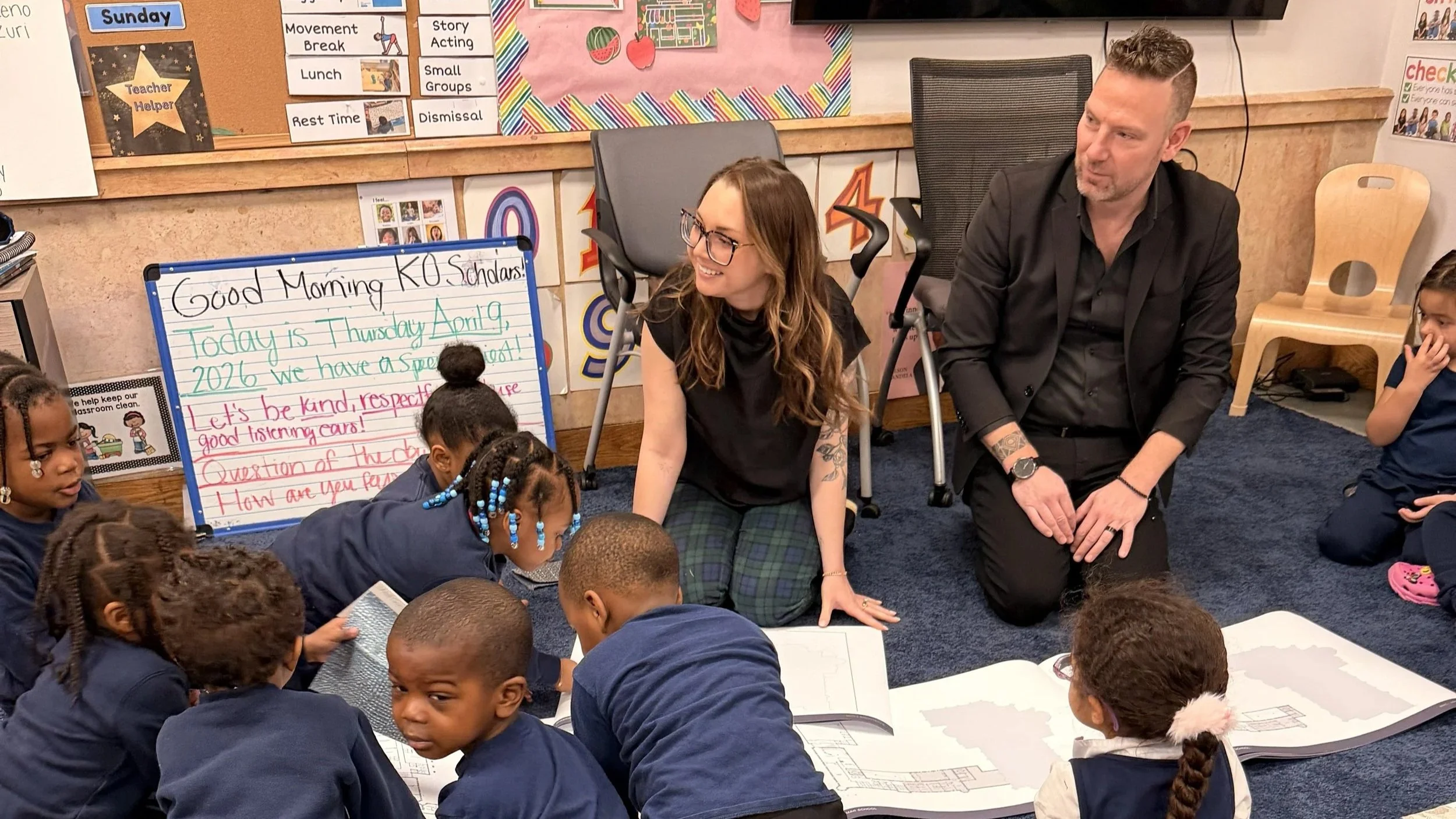
Mission Grammar School - Boston, MA [April 2026]
For school leaders and design teams, these insights are invaluable. They help ensure that future planning is grounded not only in enrollment projections, square-footage benchmarks, or operational needs, but in the lived experience of learning.Research increasingly supports this approach. Studies of student voice practices have found meaningful associations between student input, engagement, agency, attendance, and achievement. Other research on school connectedness shows that when students feel cared for, valued, supported, and connected, they are more likely to attend school, perform well, graduate, and maintain healthier patterns of behavior. In other words, listening to students is not symbolic. It is practical. It helps shape the conditions under which students thrive.
For MKC, student focus groups are most effective when they are intentional, structured, and respectful. They are not casual conversations tacked onto the end of a planning process. They are collaborative meetings designed to gather feedback, evaluate progress, and plan for the future with the most important voices in the education system. A strong student engagement session typically begins with clear framing. Students should know why they have been invited, what kind of feedback is being sought, and how their input may influence future decisions. The purpose is not to promise that every idea will be built, but to communicate that student experience matters and will be taken seriously. The questions should be open enough to invite discovery, but focused enough to generate useful planning insight. Students may be asked where they feel most connected to the school community, where they go when they need quiet, which spaces support collaboration, what parts of the school feel outdated, how arrival and dismissal work, where conflicts or congestion occur, what spaces best express the school’s mission, and what kind of environment would help future students feel proud to belong.
In some sessions, students may respond to precedent images, diagrams, early planning concepts, or material samples. In others, they may map their daily movement through the building or identify places of comfort, stress, gathering, and transition. The goal is to transform student experience into legible design intelligence. This process also teaches students something important about design. They begin to see that buildings are not accidental. They are shaped by decisions about light, proportion, material, circulation, safety, supervision, acoustics, flexibility, identity, and long-term stewardship. They begin to understand architecture as a public act and a form of service.
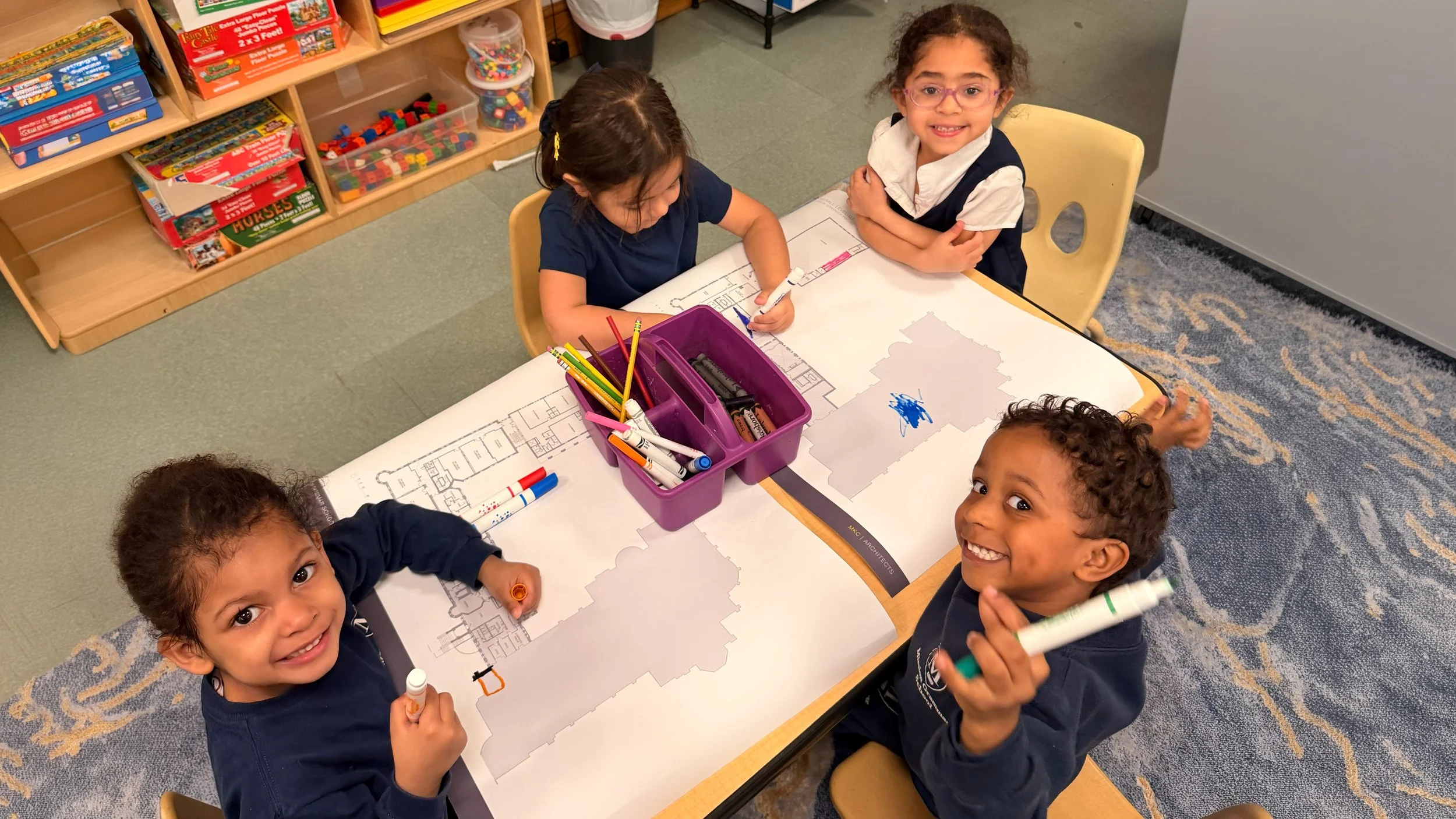
Mission Grammar School - Boston, MA [April 2026]
Engagement as Education
Some of MKC’s student engagement work is directly tied to planning and design. Other forms are more broadly educational. These include opportunities to speak with students about what architects and designers do, how buildings are conceived, how drawings become construction, and why design matters to communities in need. These moments are deeply meaningful. When architects bring drawings, models, material samples, photographs, and stories into a classroom, students encounter the design profession not as an abstraction, but as a living practice. They see that architecture is not simply about making buildings look appealing. It is about solving problems, listening carefully, coordinating many voices, imagining futures, and creating places where human life can unfold with dignity.
For students who may not have personal exposure to architects, engineers, designers, planners, or construction professionals, these encounters can be formative. They open a door. They suggest that the built environment is not something distant or fixed, but something they might one day help shape. They also help students understand the connection between creativity and responsibility. The architect is not merely an artist. The architect is a steward of resources, relationships, communities, and aspirations. This is particularly important for nonprofit and mission-driven clients. Many schools and community organizations serve families who rely on their institutions not only for education, but for formation, stability, identity, and support. When MKC gives time to speak with students, facilitate workshops, or participate in school-based programming, the firm is not simply “giving back” in a general sense. It is strengthening the relationship between professional practice and civic life.
Beyond Consultation: Building Long-Term Trust
Community engagement is often misunderstood as a single event. A meeting is held, comments are recorded, and the design team moves on. MKC’s approach is different. Engagement is most powerful when it becomes part of a long-term relationship. Many of our school and nonprofit clients are not transactional partners; they are organizations with whom we build trust over time. We work with leadership teams, boards, teachers, parish communities, alumni, donors, students, and families across multiple phases of planning and design. Through that process, engagement becomes a way of sustaining alignment.
Visioning sessions help organizations ask large questions: Who are we? Whom do we serve? What kind of future are we preparing for? What should our campus communicate to the next generation? Student focus groups help ground those questions in daily life: Where do students gather? How do they move? Where do they feel seen? Where do they feel disconnected? What would help them learn, collaborate, pray, perform, compete, rest, or belong.
Conference workshops and professional presentations help introduce new ideas to broader communities: the future of learning, the relationship between facilities and enrollment, the role of wellness in campus planning, the importance of flexibility, and the ways architecture can express mission. When these efforts are sustained over time, they create mutual trust. Clients come to understand that MKC is not only designing for them, but thinking with them. Communities come to see the design process as something they can enter, not something imposed from a distance. Students see that their perspective has value. The result is a stronger project and a stronger relationship.
MKC’s commitment to engagement also extends beyond schools and formal client work. Community events allow architects and designers to participate in the civic life of the places they serve. One example is PARK(ing) Day, an annual global event in which citizens, artists, designers, and community members temporarily transform metered parking spaces into small public parks, installations, gardens, seating areas, or social spaces. What makes PARK(ing) Day powerful is its simplicity. It asks a basic urban question: what else could this small piece of public space become? For designers, the event is a reminder that cities are made not only through large buildings and permanent infrastructure, but through imagination, participation, and temporary acts of transformation. A parking space can become a garden. A curb lane can become a place to sit. An overlooked edge of the street can become a civic room.
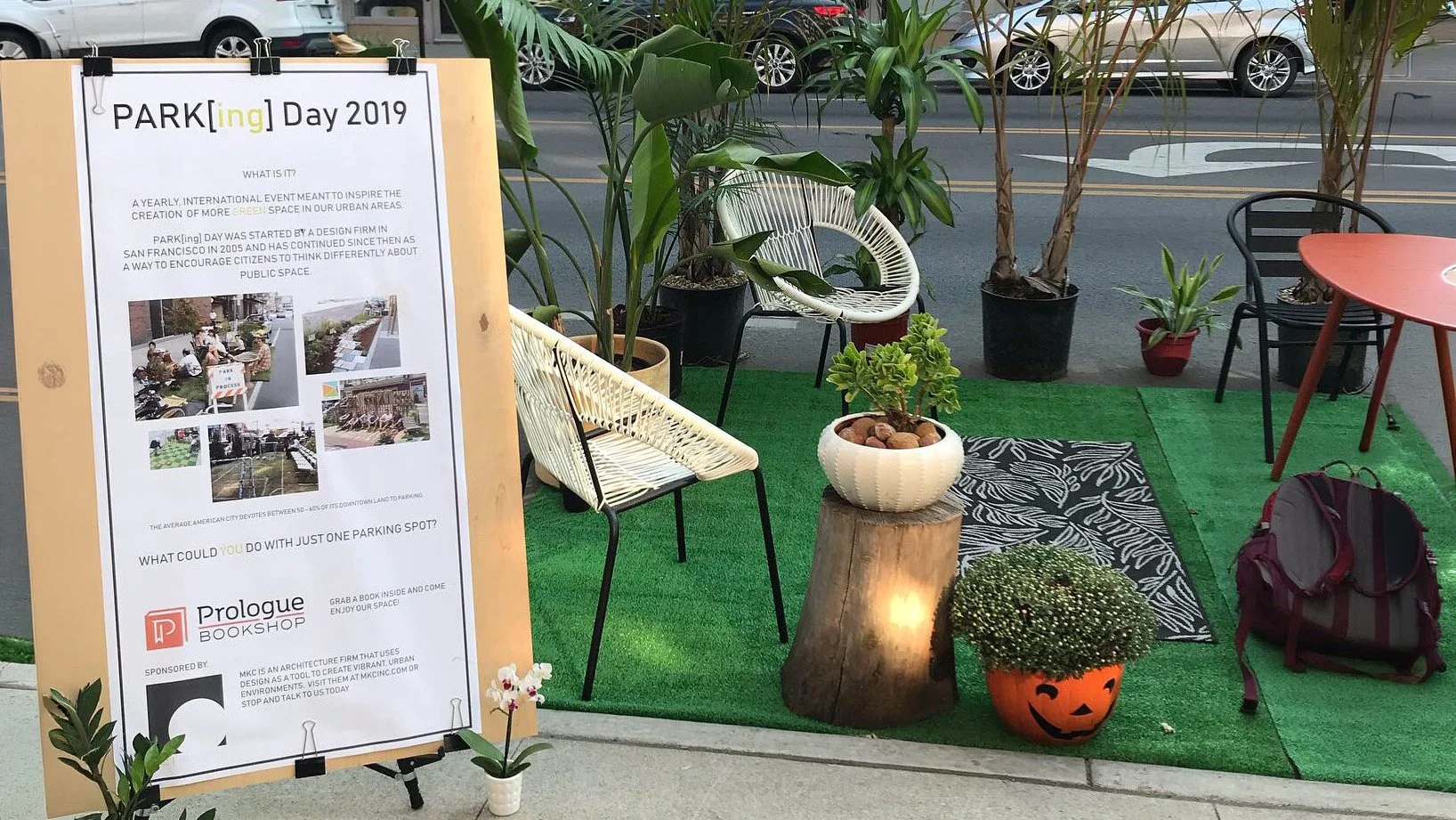
PARK[ing] Day [2019]
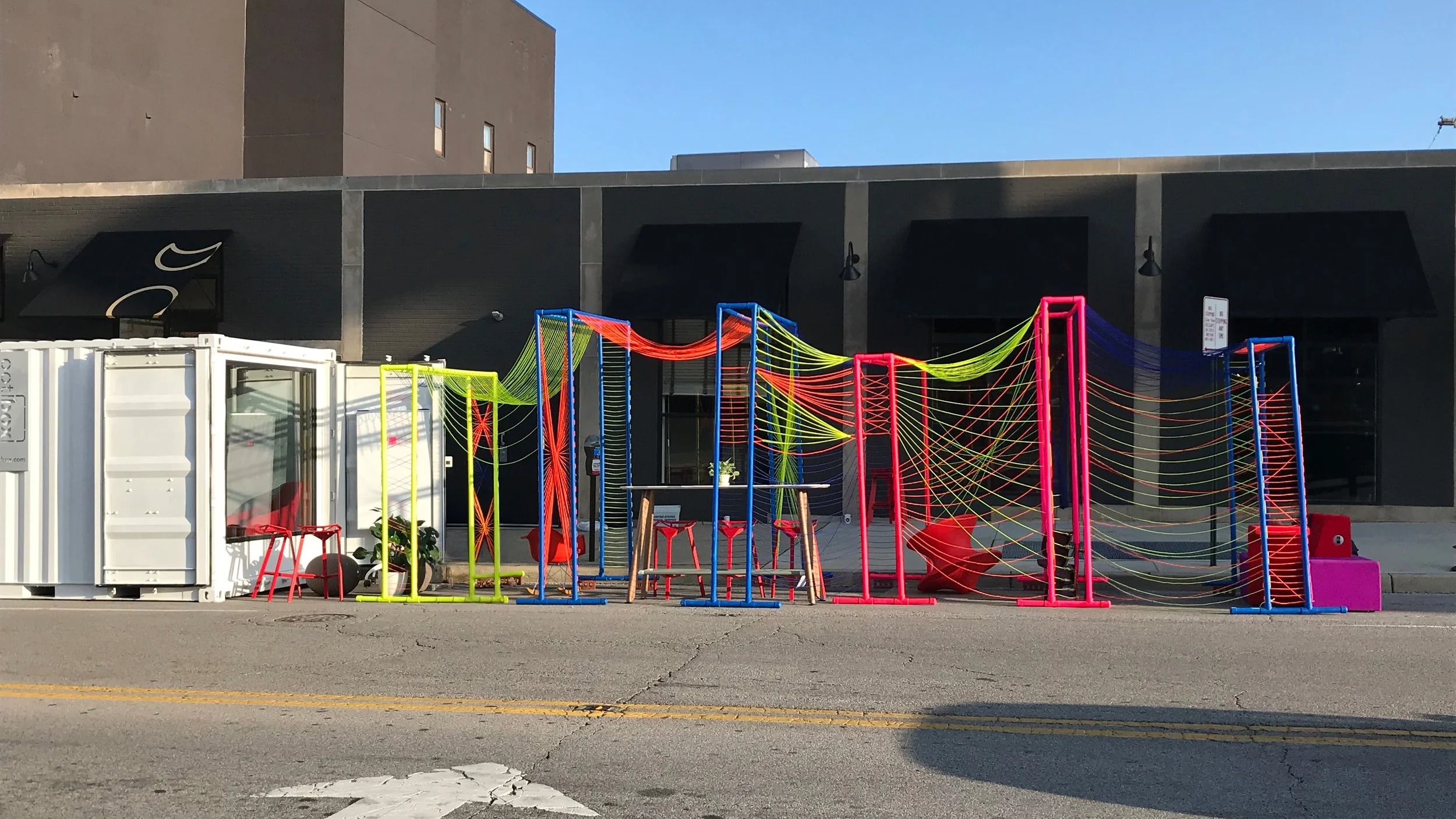
PARK[ing] Day [2020]
These small experiments matter because they make design visible and accessible. They invite the public to participate in urban thinking. They demonstrate that the built environment is not neutral. It reflects values, priorities, habits, and assumptions. By temporarily changing the use of a space, PARK(ing) Day helps communities see their streets differently. MKC’s participation in events like this aligns with a broader ethic of service. Whether helping create a bench outside a local ice cream shop for neighborhood patrons, partnering with local organizations, or volunteering with institutions such as Franklin Park Conservatory to help horticulturists maintain gardens, the purpose is the same: to contribute professional time, energy, and care to the communities that sustain us.
Service as Part of Practice
For mission-driven firms, giving back cannot be separated from professional identity. It is part of the work itself. Architecture is a service profession. Its highest purpose is not the production of objects, but the creation of settings for human flourishing. This requires technical expertise, but it also requires humility. Communities do not need architects who arrive with predetermined answers. They need partners who can listen, interpret, synthesize, and lead with care. For MKC, community engagement allows that ethic to become tangible. It gives our staff opportunities to step outside the office, encounter the people our work affects, and remember why design matters. It also allows students and community members to see the profession from the inside. They witness the complexity, creativity, and responsibility of architectural work. They see that buildings emerge from many conversations, not from isolated authorship.
These efforts also strengthen the firm internally. When team members participate in workshops, student sessions, volunteer events, or civic installations, they build shared purpose. They deepen their understanding of clients and communities. They return to project work with a renewed sense of responsibility. In this sense, community engagement is not only charitable. It is reciprocal. MKC contributes knowledge, time, and resources. In return, communities give us insight, perspective, and trust. Students remind us what schools are really for. Nonprofit leaders remind us that buildings are instruments of mission. Public events remind us that design can make civic life more visible, generous, and human.
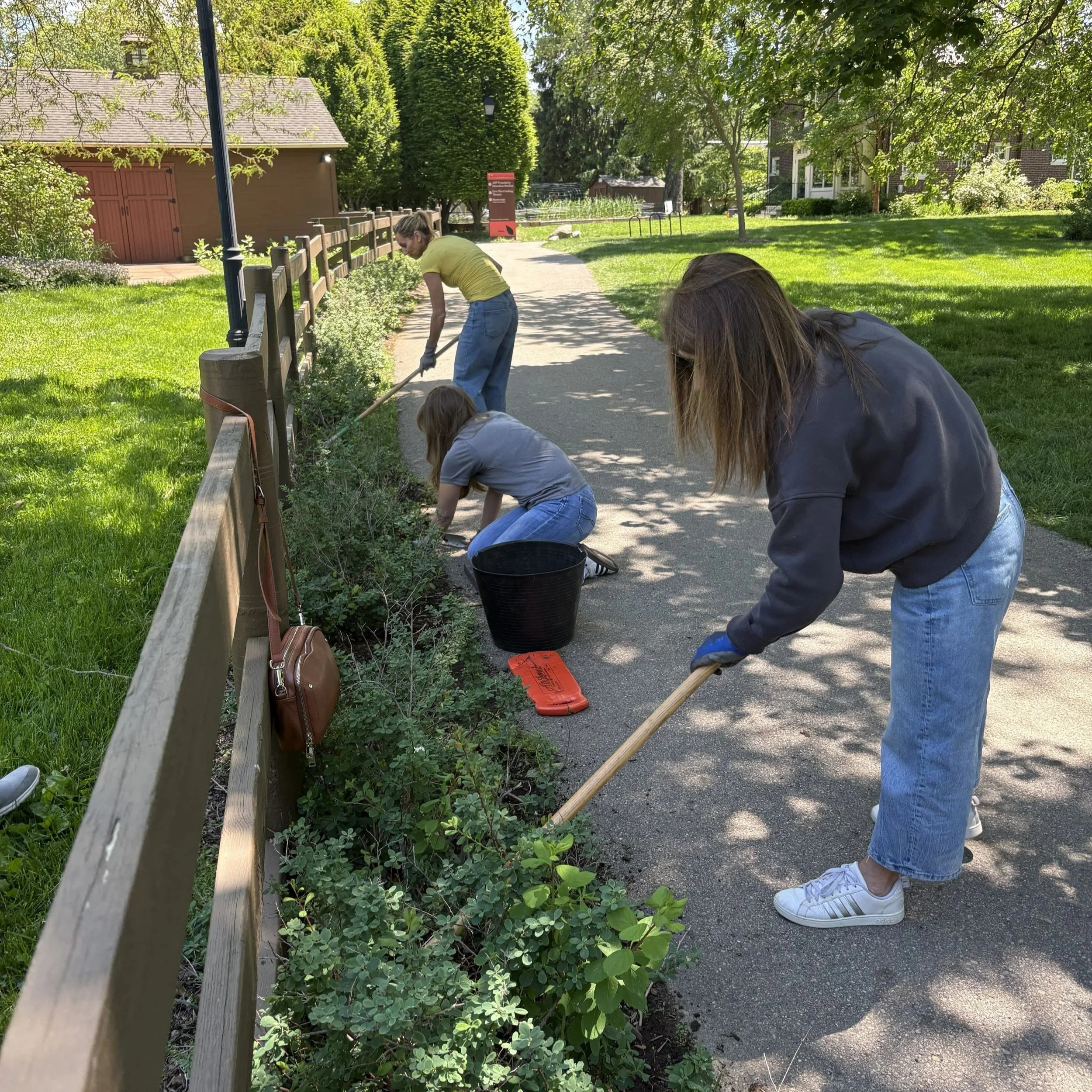
Franklin Park Conservatory [May 2026]
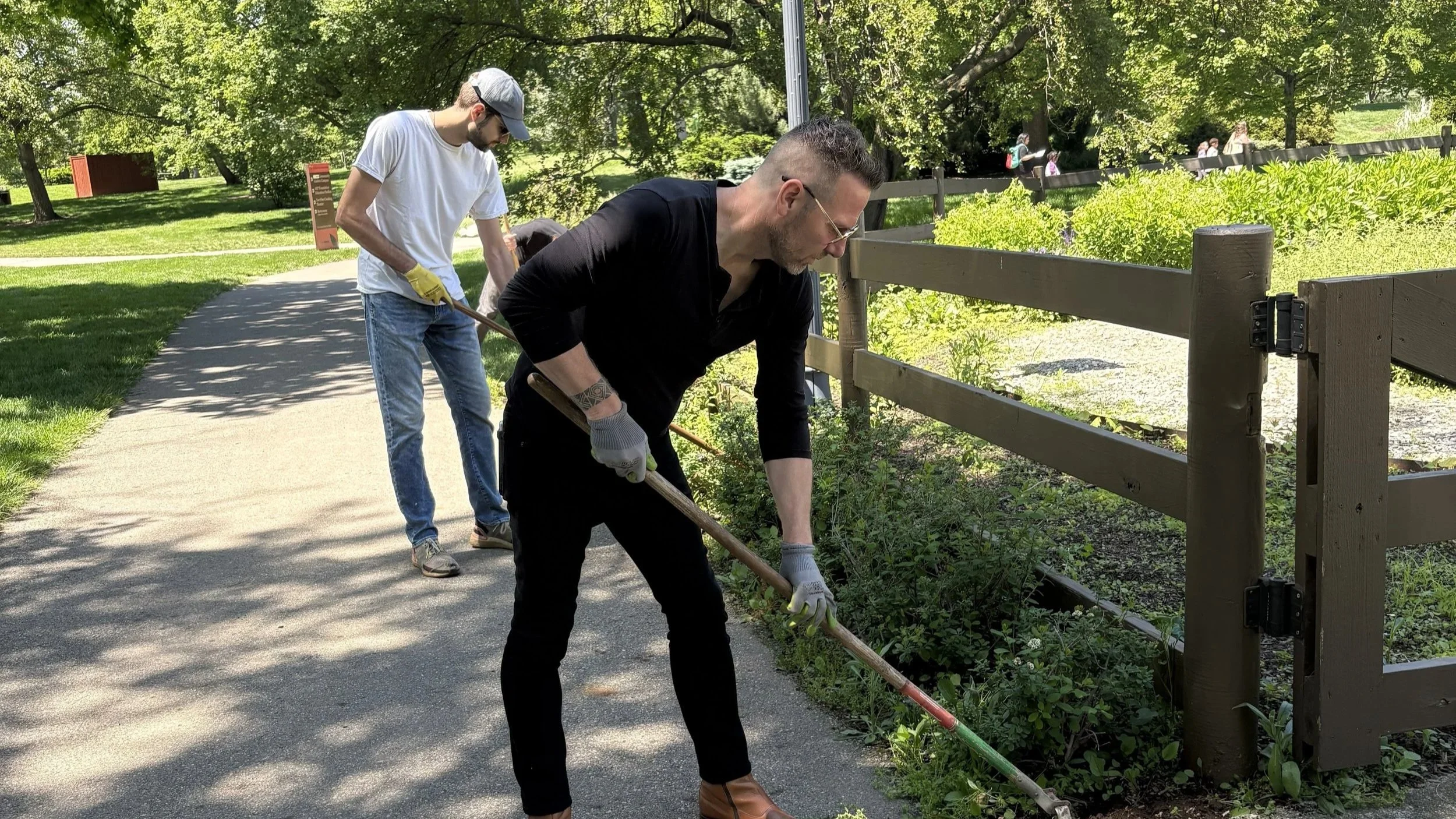
Franklin Park Convservatory [May 2026]
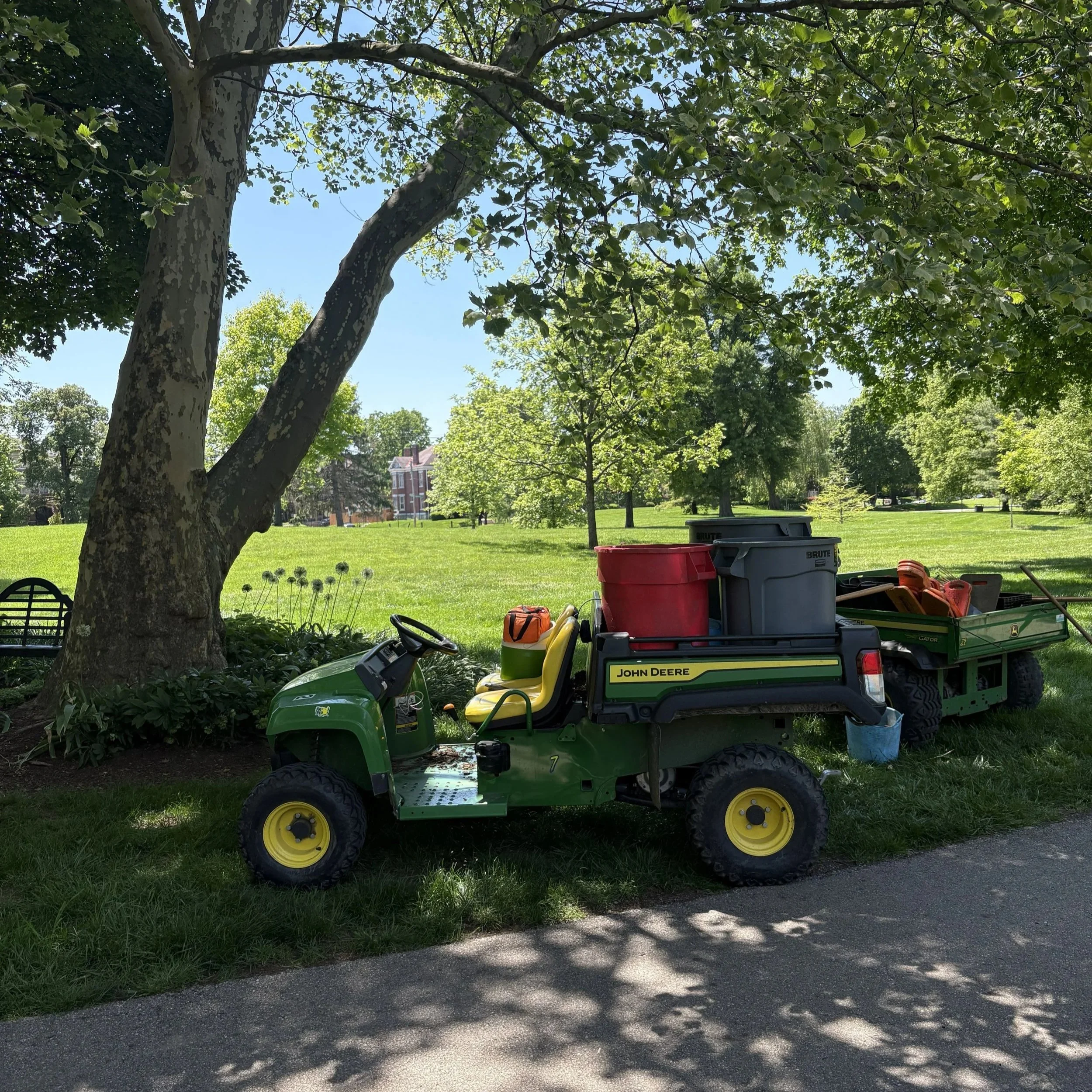
Franklin Park Convservatory [May 2026]
The future of educational and community architecture depends on a shift from designing for people to designing with people. This does not mean that every decision becomes a vote or that expertise is diminished. It means that expertise becomes more responsive, better informed, and more accountable to lived experience. Student focus groups are one of the clearest expressions of this shift. They recognize that students are not passive recipients of educational environments. They are daily participants in the life of the school. They are witnesses to what works and what does not. They are the inheritors of every planning decision. When their voices are included, the design process becomes more complete. A classroom is no longer understood only as a room with desks and technology. It becomes a setting for attention, confidence, collaboration, and growth. A cafeteria is no longer only a dining area. It becomes a social landscape. A corridor is no longer only circulation. It becomes a place of encounter, identity, supervision, movement, and belonging. A chapel, library, commons, gymnasium, studio, or outdoor space becomes part of a larger educational ecology.
This is the value of engagement. It reveals the human meaning behind programmatic categories. It helps architects and clients move from square footage to experience. The most successful schools and community organizations are not built around short-term fixes. They are built around long-term relationships, clear mission, and a willingness to listen. MKC’s history of working with community organizations, nonprofits, and school partners reflects this long view.
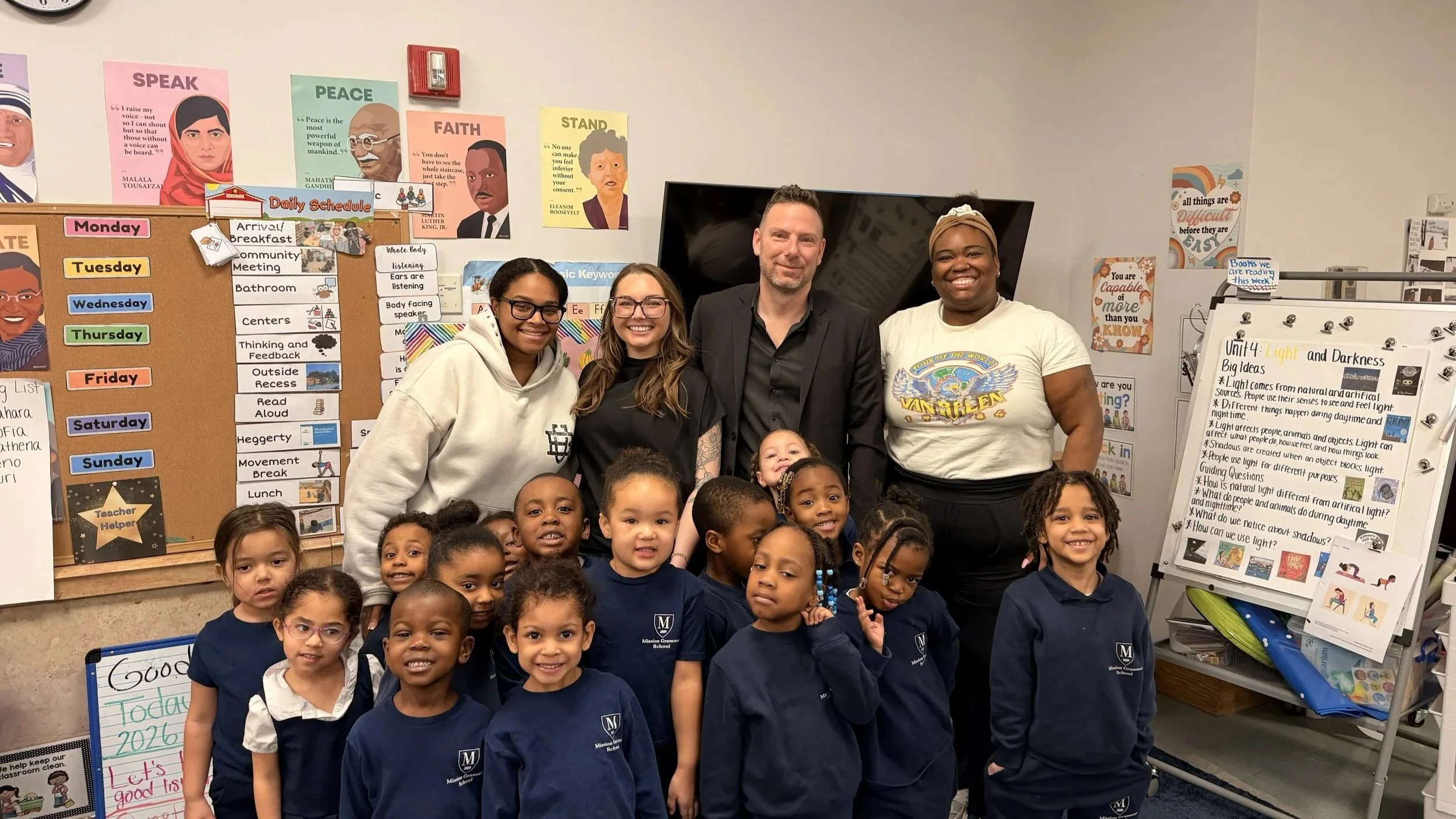
Mission Grammar School - Boston, MA [April 2026]
Through visioning sessions, stakeholder workshops, student focus groups, professional conversations, and civic engagement events, we help organizations imagine their future more clearly. We also help them bring more people into that act of imagination. This is especially important for schools, where the future is not an abstract concept. It is present every day in the lives of students. To ask students what they need is to take their future seriously. To invite them into the design process is to affirm that architecture is not only about buildings, but about belonging. To give time to community organizations is to recognize that professional practice carries civic responsibility.
For MKC, community engagement is therefore both method and mission. It helps us design better schools. It helps our clients strengthen trust. It helps students see themselves as participants in shaping the world around them. And it reminds us that architecture, at its best, begins with listening and ends with a place where community can thrive.