THINK[BOX]: Designing a Home for Innovation at Case Western University
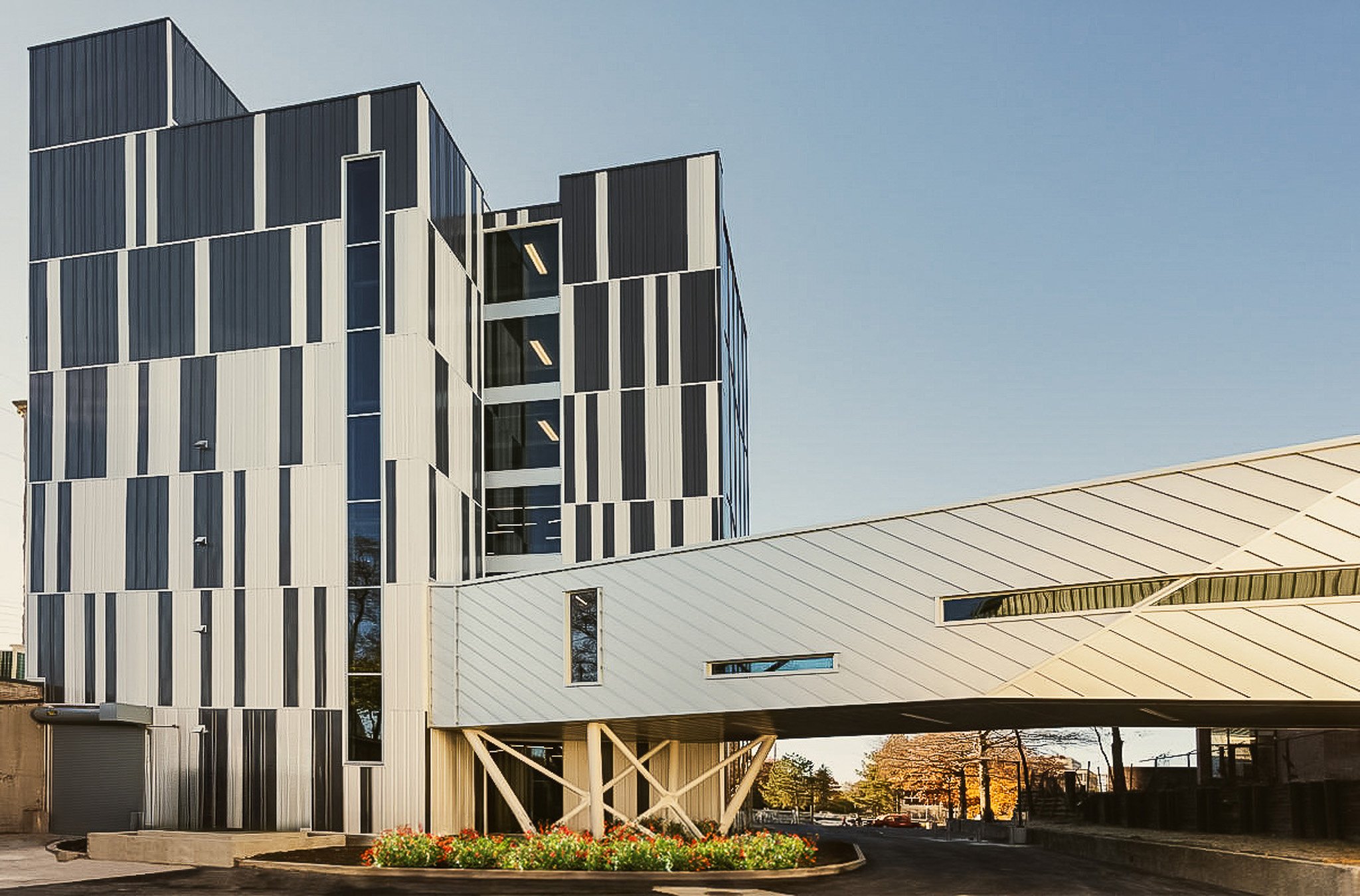
Think[box] isn’t just a building — it’s a shift in how engineering education can feel and function.
Before you ever step inside, you can sense it. There’s a certain energy in a place where ideas are allowed to be messy. Where prototypes sit half-finished on a table. Where students from completely different disciplines gather around the same problem and start sketching, testing, and debating. It’s not quiet in the traditional academic sense — it hums.
Think[box] was born from a simple but powerful realization: innovation doesn’t thrive in silos. It thrives in shared spaces. In proximity. In overlap. At Case Western Reserve University, the question wasn’t just how to build more lab space. It was about building a culture — one where engineering students could collaborate across disciplines, move fluidly between lecture and making, and see their ideas evolve from concept to tangible impact.
From that vision, think[box] emerged.
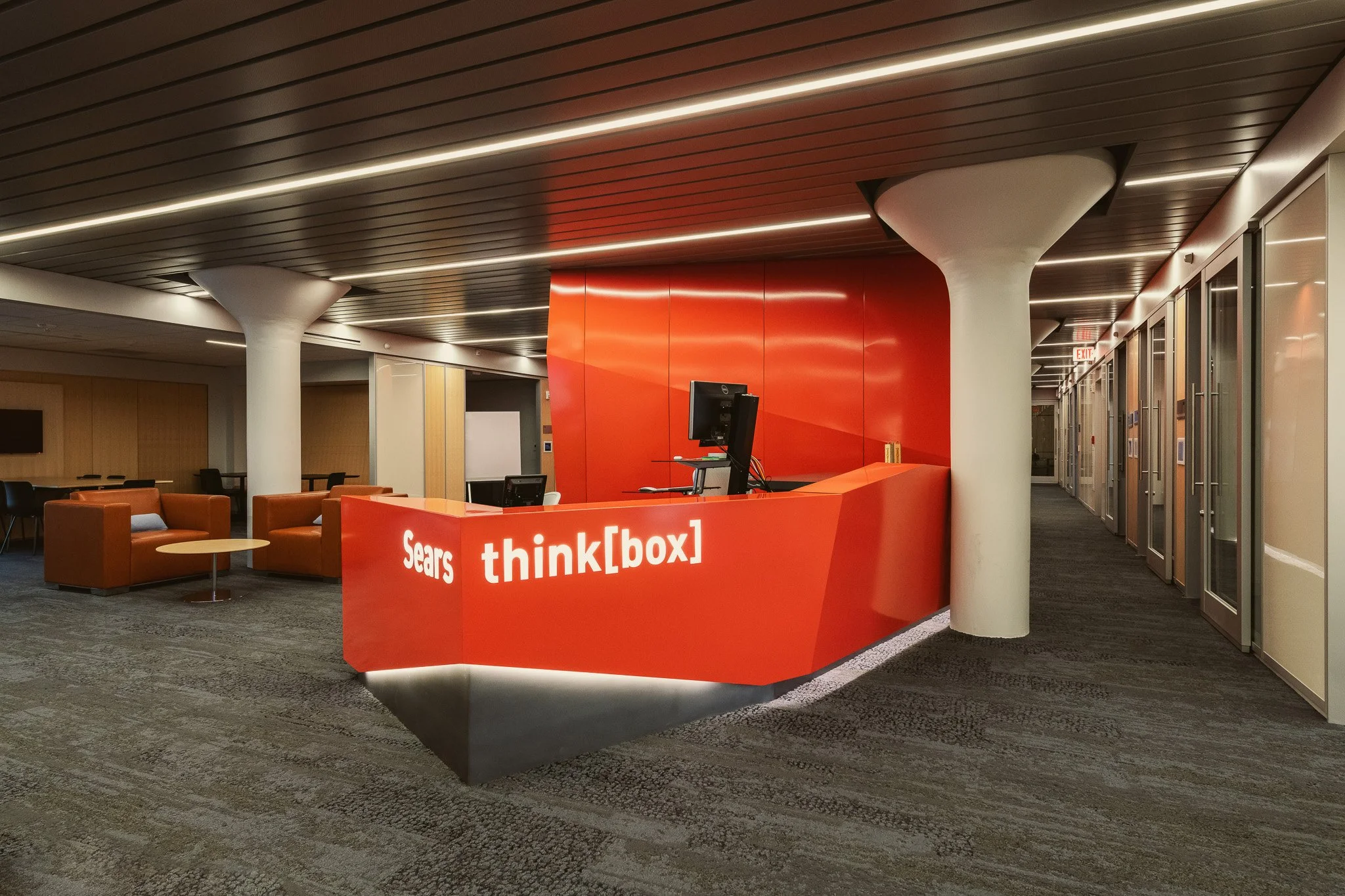
A Community of Engineering Leaders
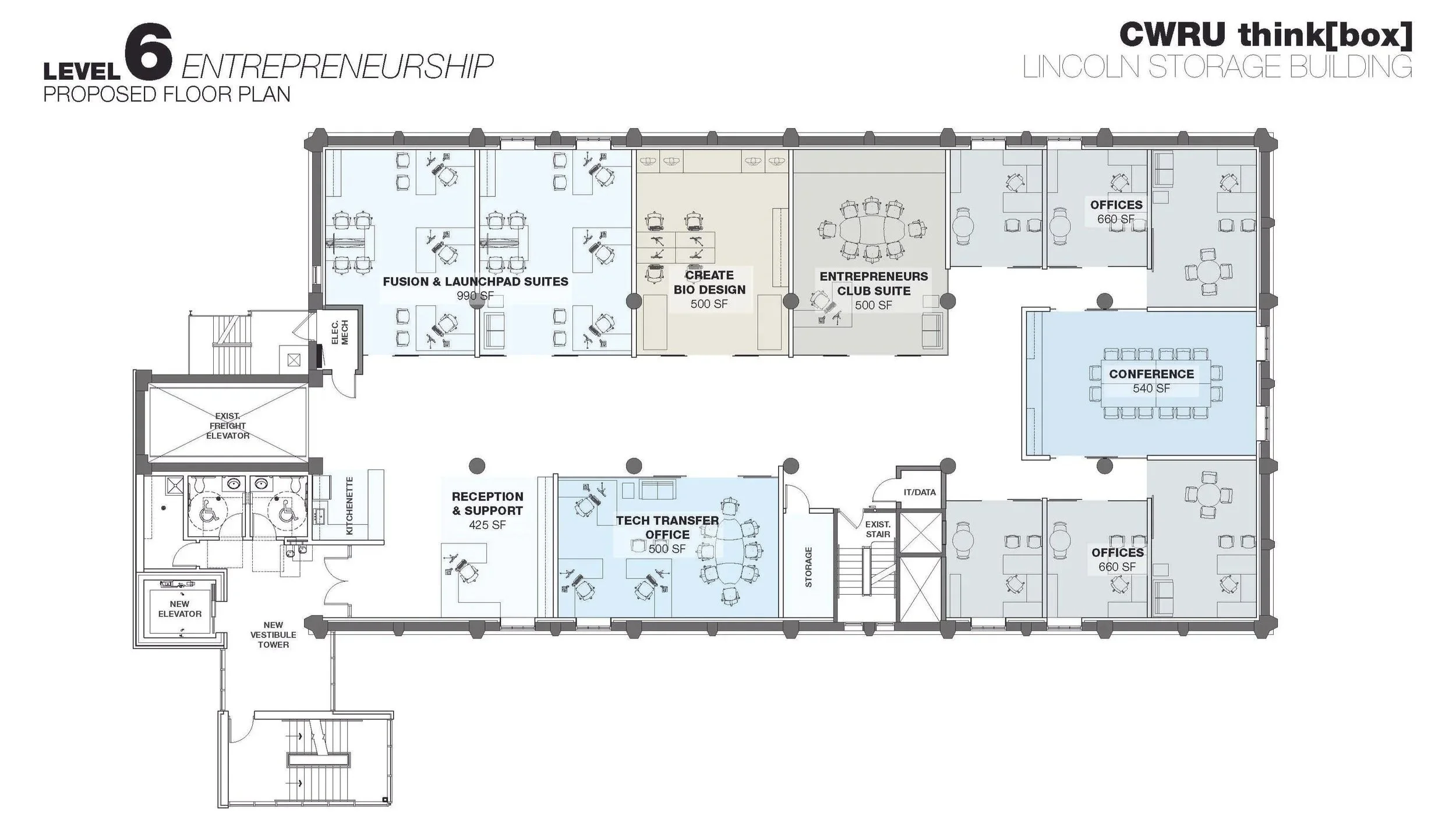
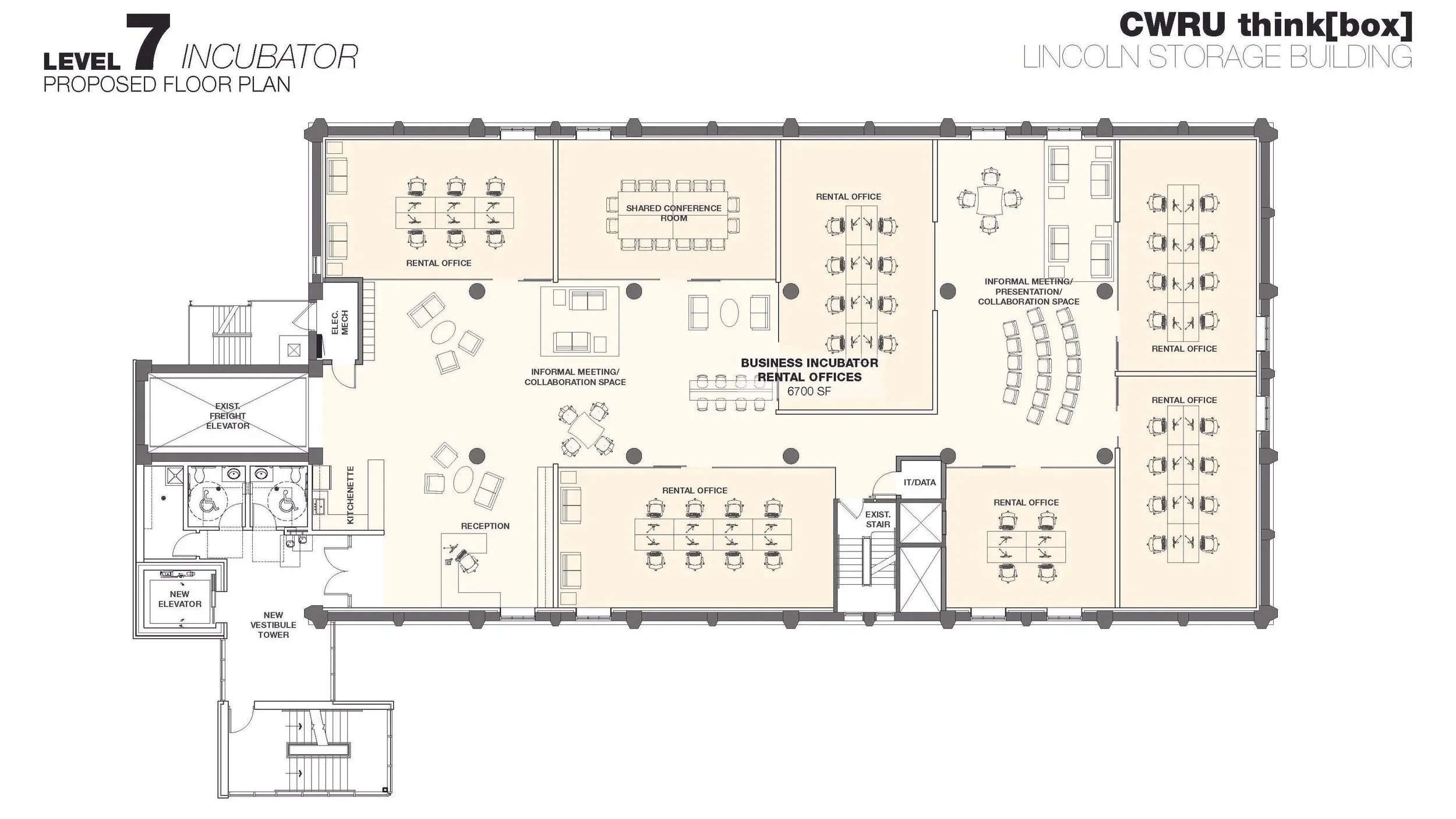
Think[box] was designed to serve the full breadth of the university’s engineering community, including Biomedical Engineering, Chemical Engineering, Civil Engineering, Electrical Engineering and Computer Science, Macromolecular Science and Engineering, Materials Science and Engineering, and Mechanical and Aerospace Engineering. Each department brings distinct expertise and deep academic rigor. The opportunity was not to dilute those strengths, but to create an environment where they could intersect intentionally. The design allows departments to remain strong individually while collaborating seamlessly when research and curriculum demand multiple perspectives.
Supporting Shared Curriculum Goals
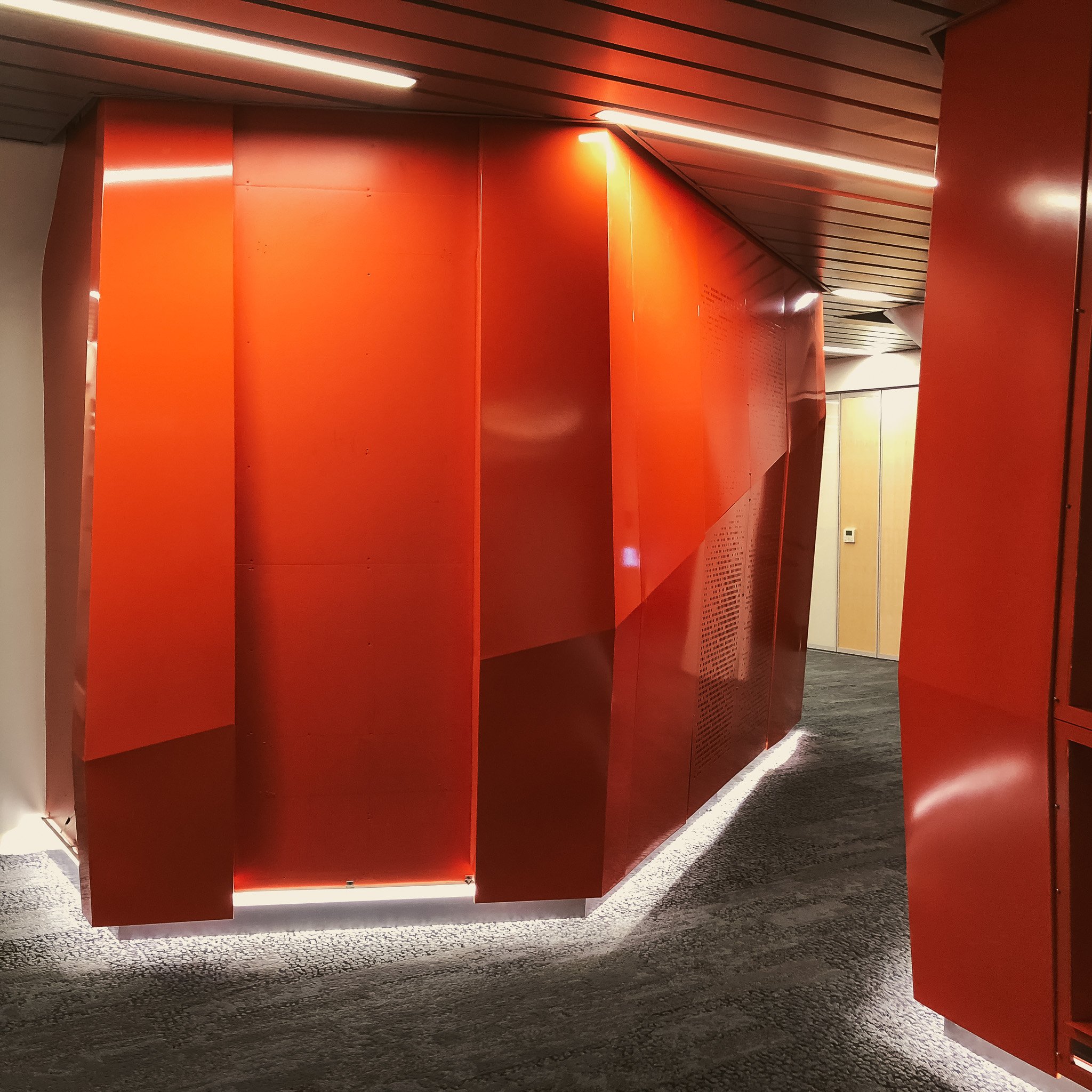
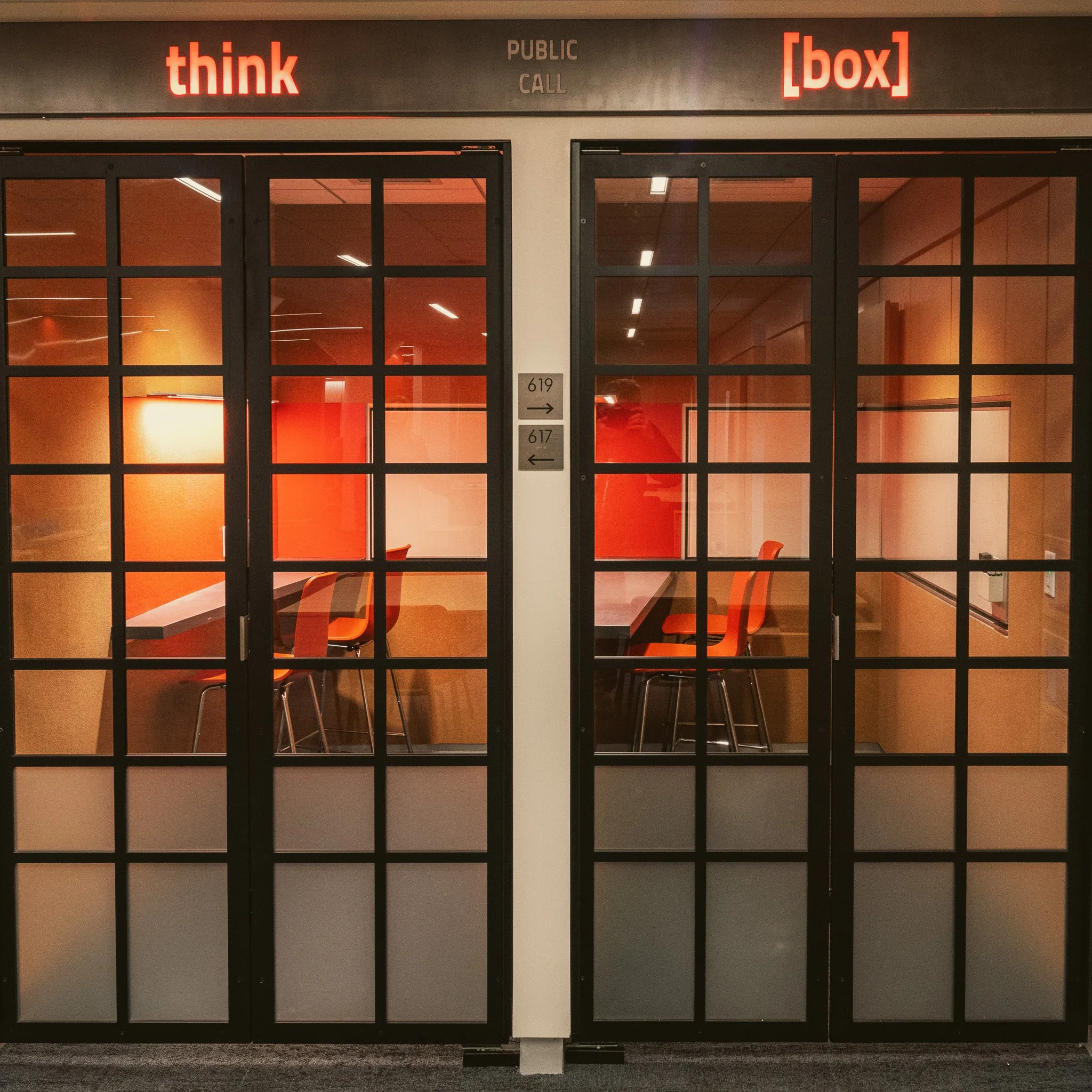
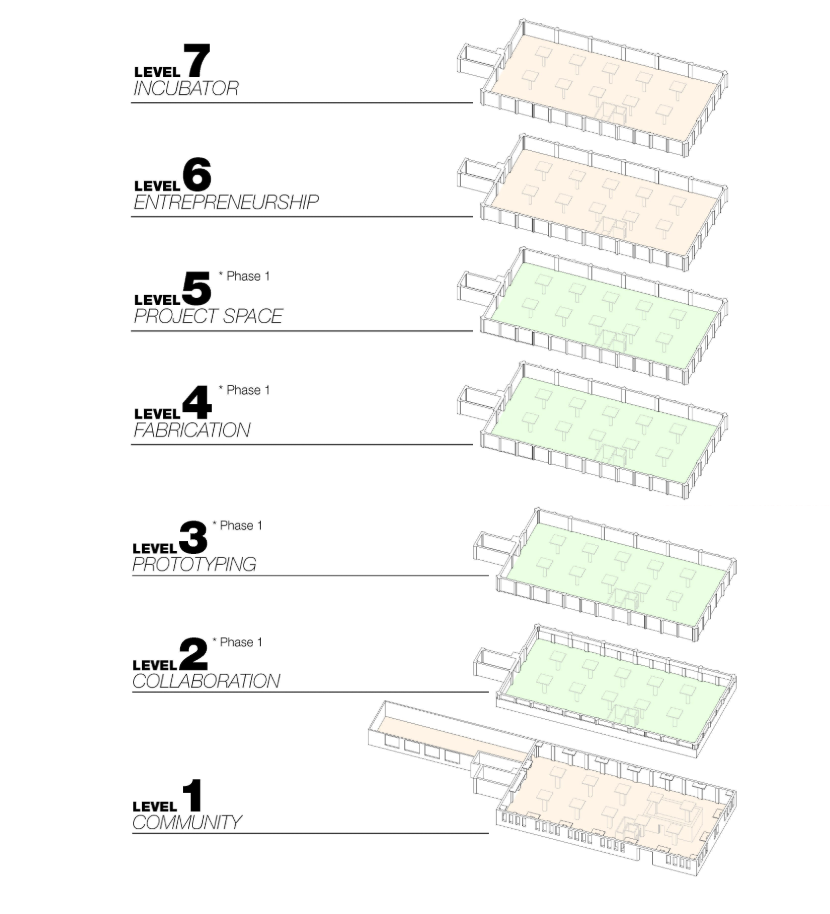
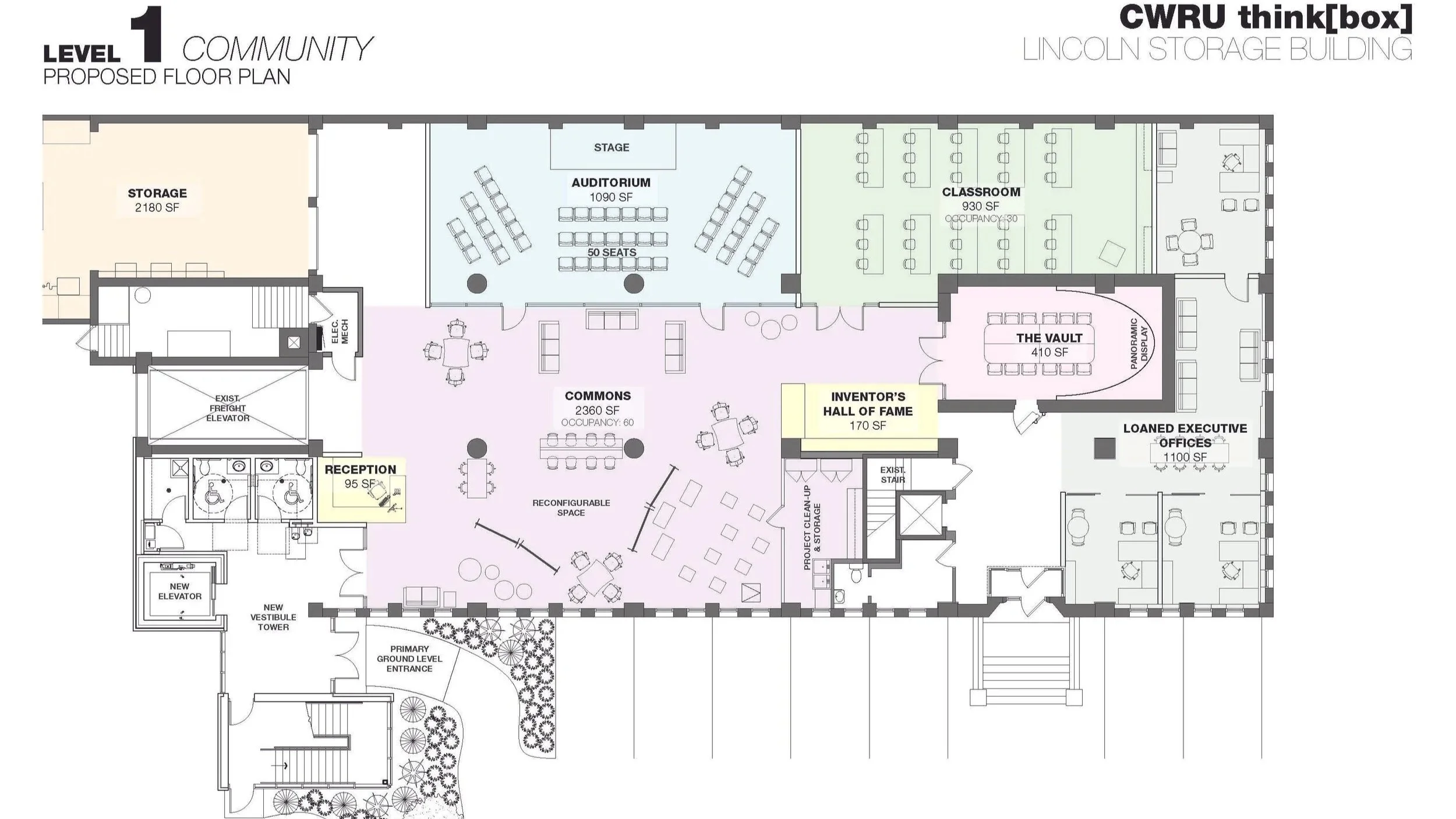
Engineering education today is fundamentally different from it was even a generation ago. Technical knowledge remains essential — but students are also expected to think across systems, industries, and scales. To support this shift, the university needed more than updated classrooms. They needed lecture and classroom environments capable of accommodating multidisciplinary teaching models — spaces where faculty could co-teach, departments could share resources, and curriculum goals could align across programs. Flexible lecture spaces, shared meeting rooms, and coordinated storage solutions ensure that collaboration is embedded into the daily rhythm of academic life. The design anticipates growth — in ideas, in partnerships, and in pedagogy — creating a framework that can evolve alongside the university’s ambitions.
The heart of THINK[BOX]
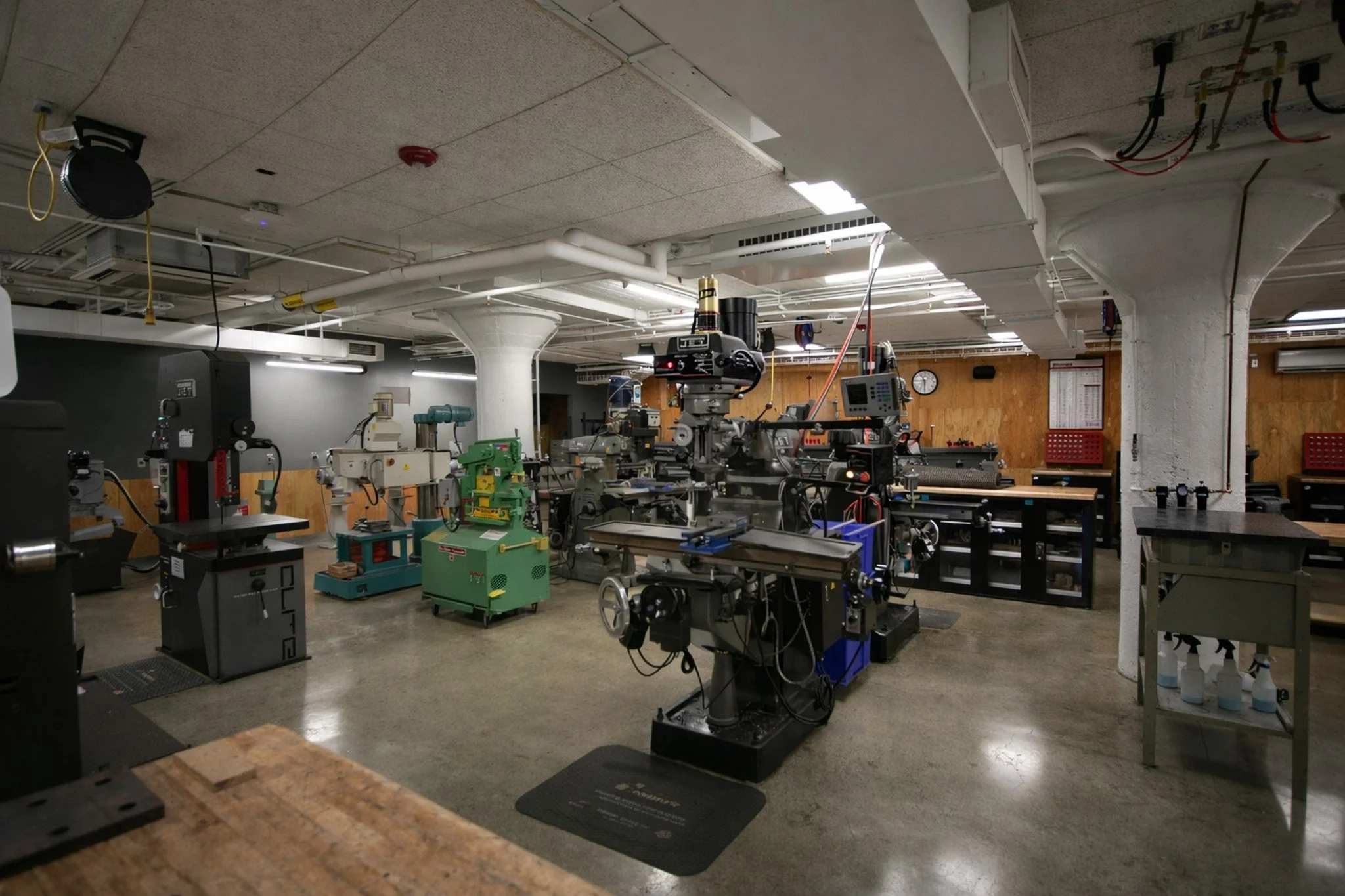
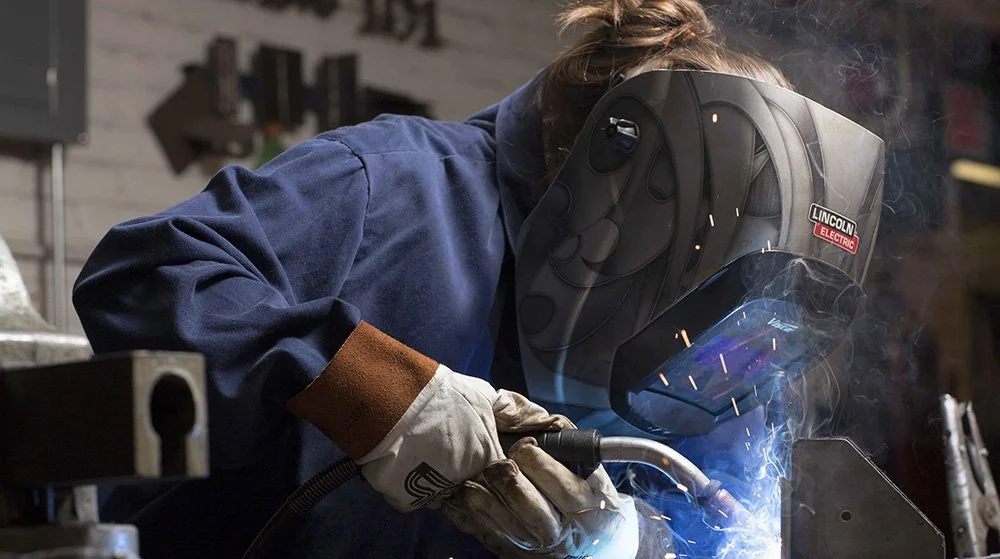
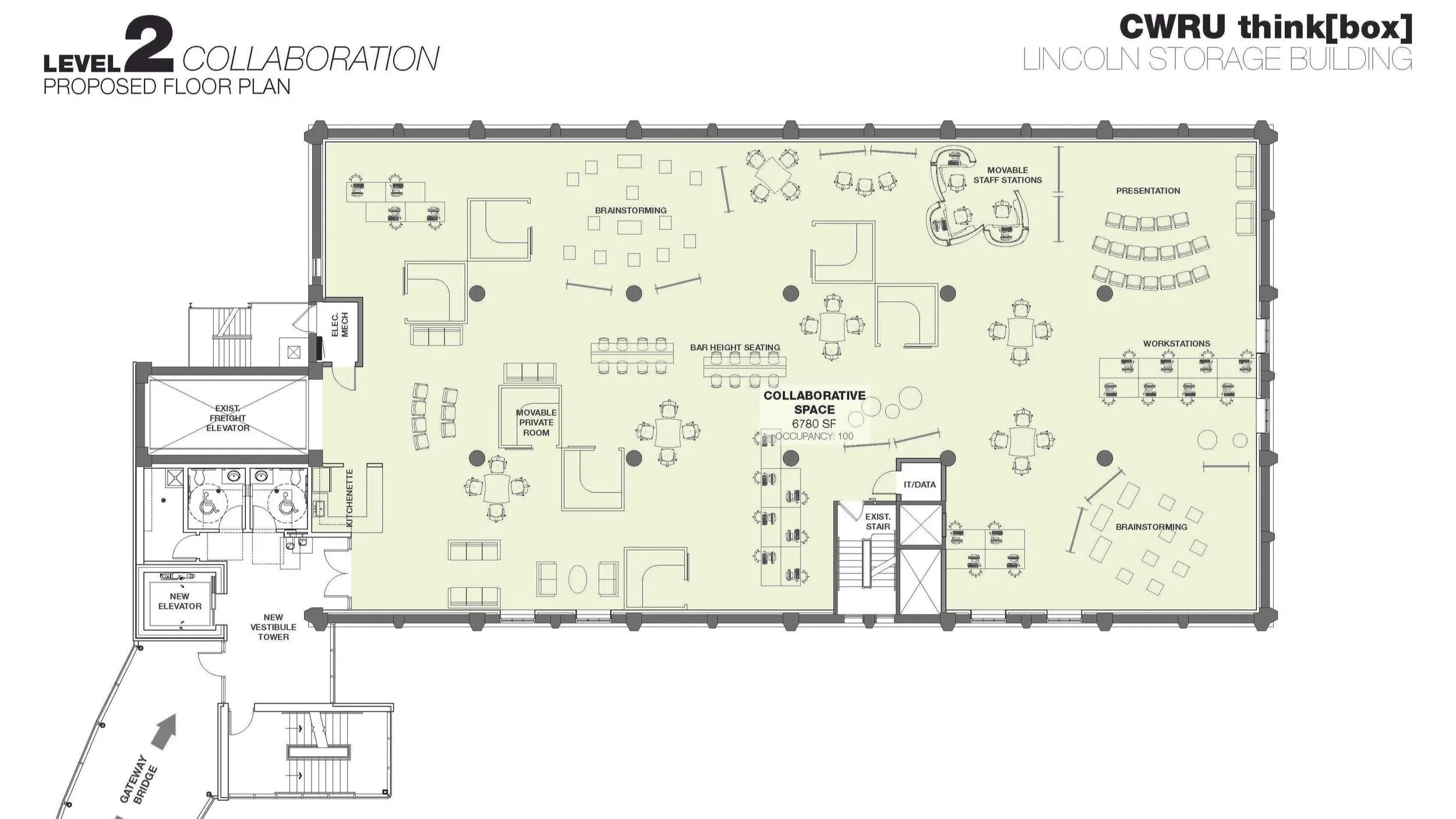
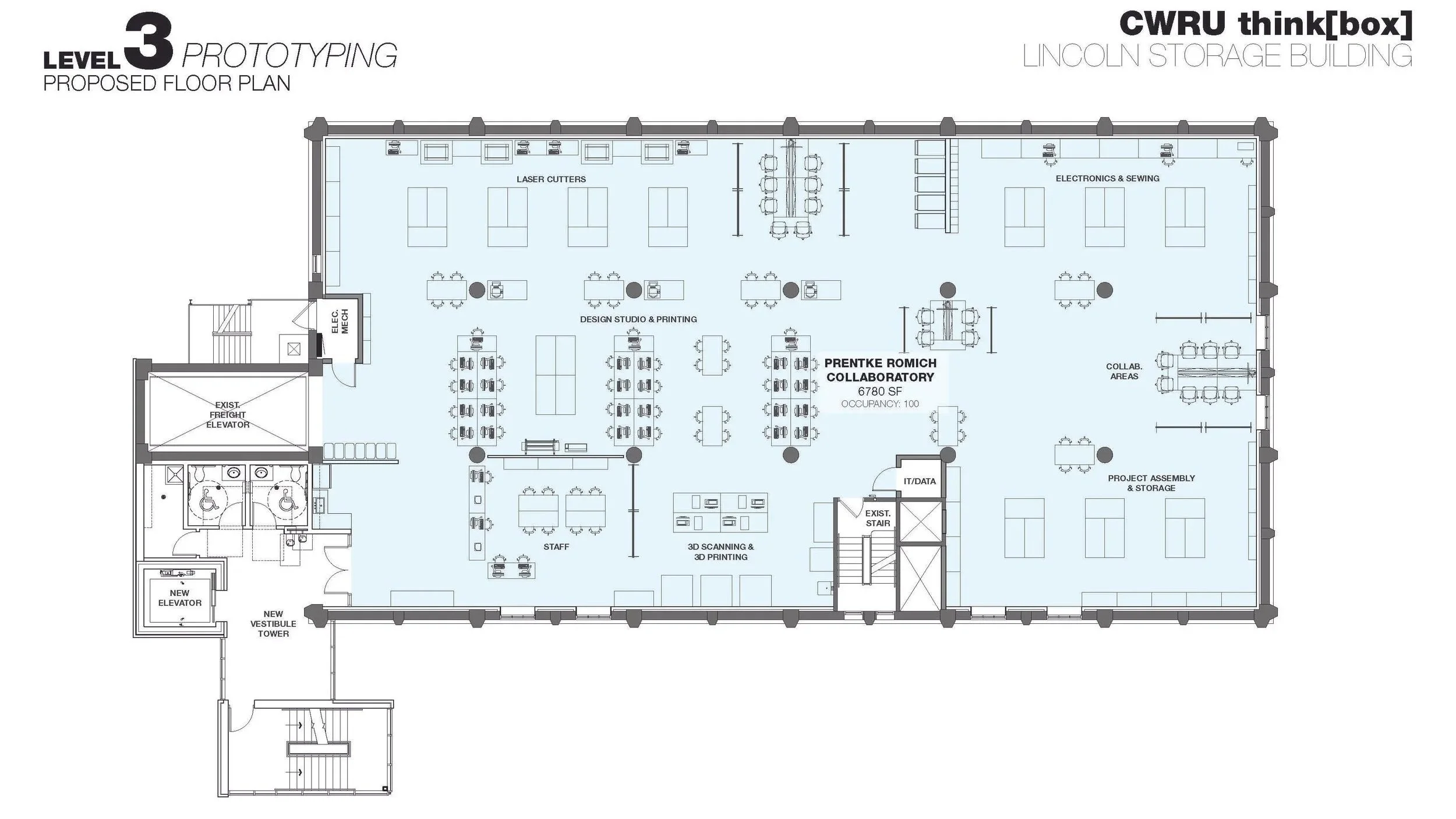
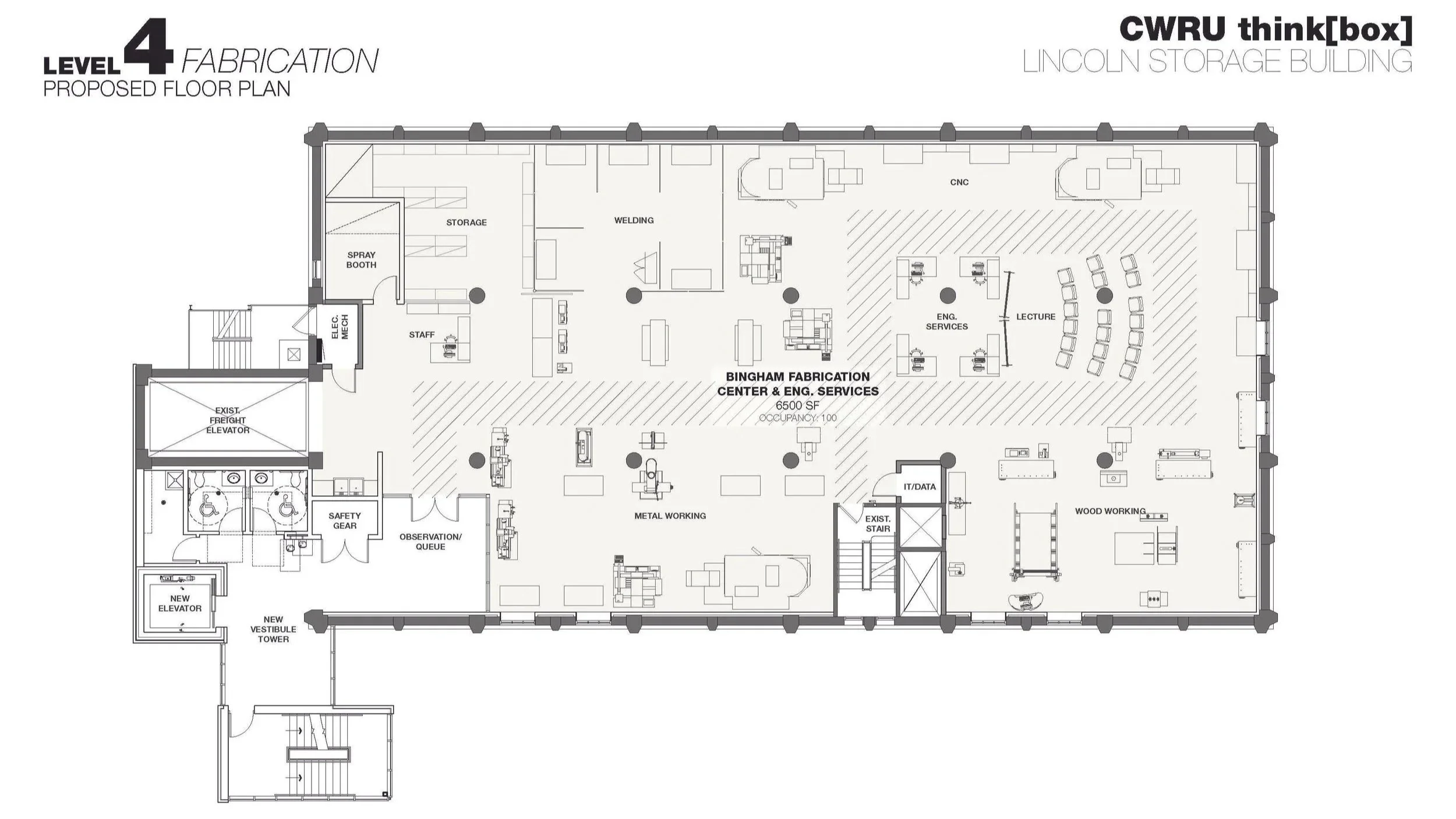
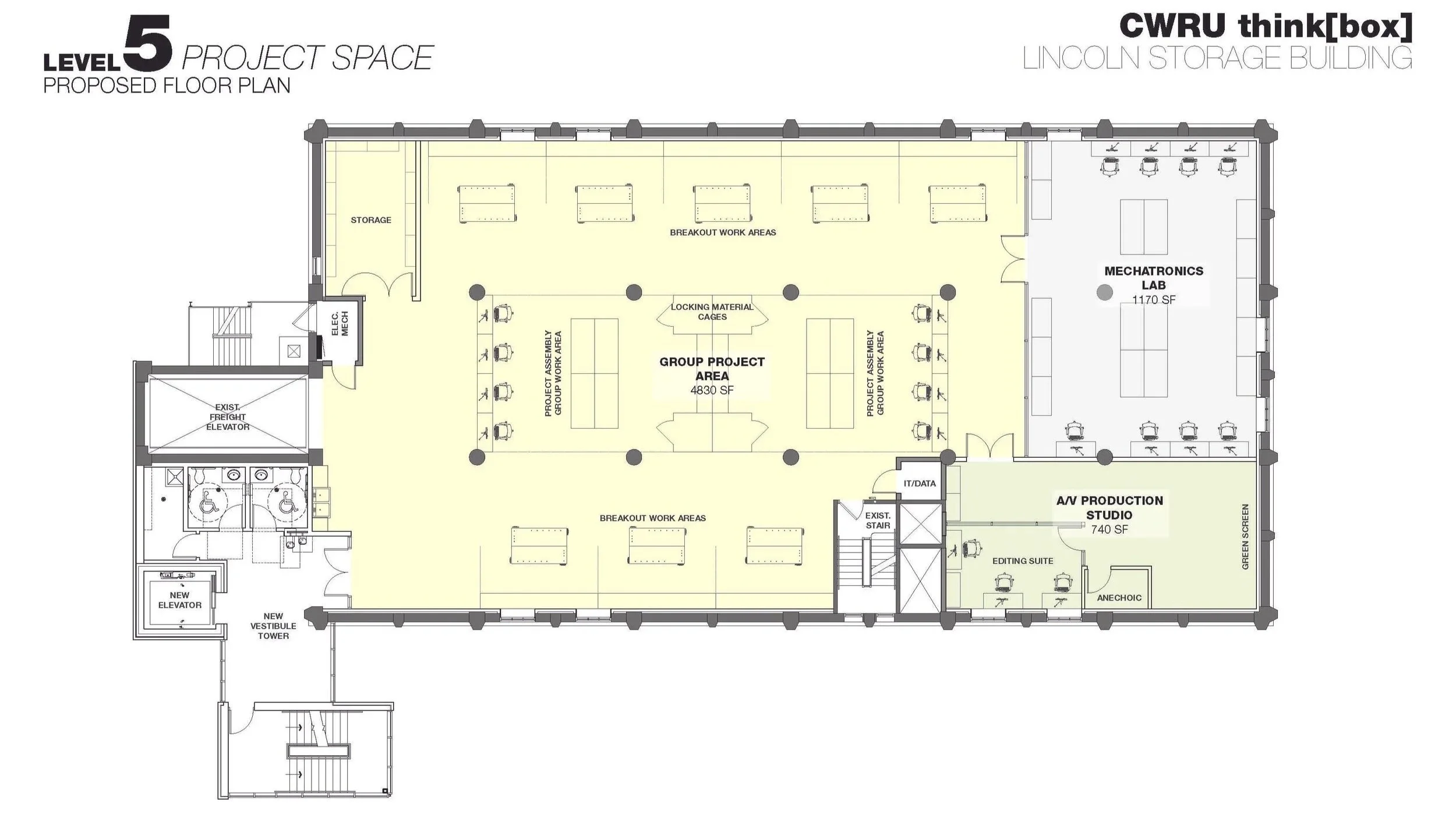
At the heart of the facility is the digital fabrication center — a multidisciplinary hub providing access to:
+ Fabrication tools
+ Rapid prototyping technologies
+ CAD/CAM environments
+ Shared production areas
+ Open project workspaces
Ideas move quickly from whiteboard to physical prototype. Overlapping production zones foster cross-departmental collaboration, reinforcing a culture of shared innovation. Transparency throughout the building makes innovation visible — strengthening engagement among students, faculty, and industry partners.
Designing for Visibility and Belonging
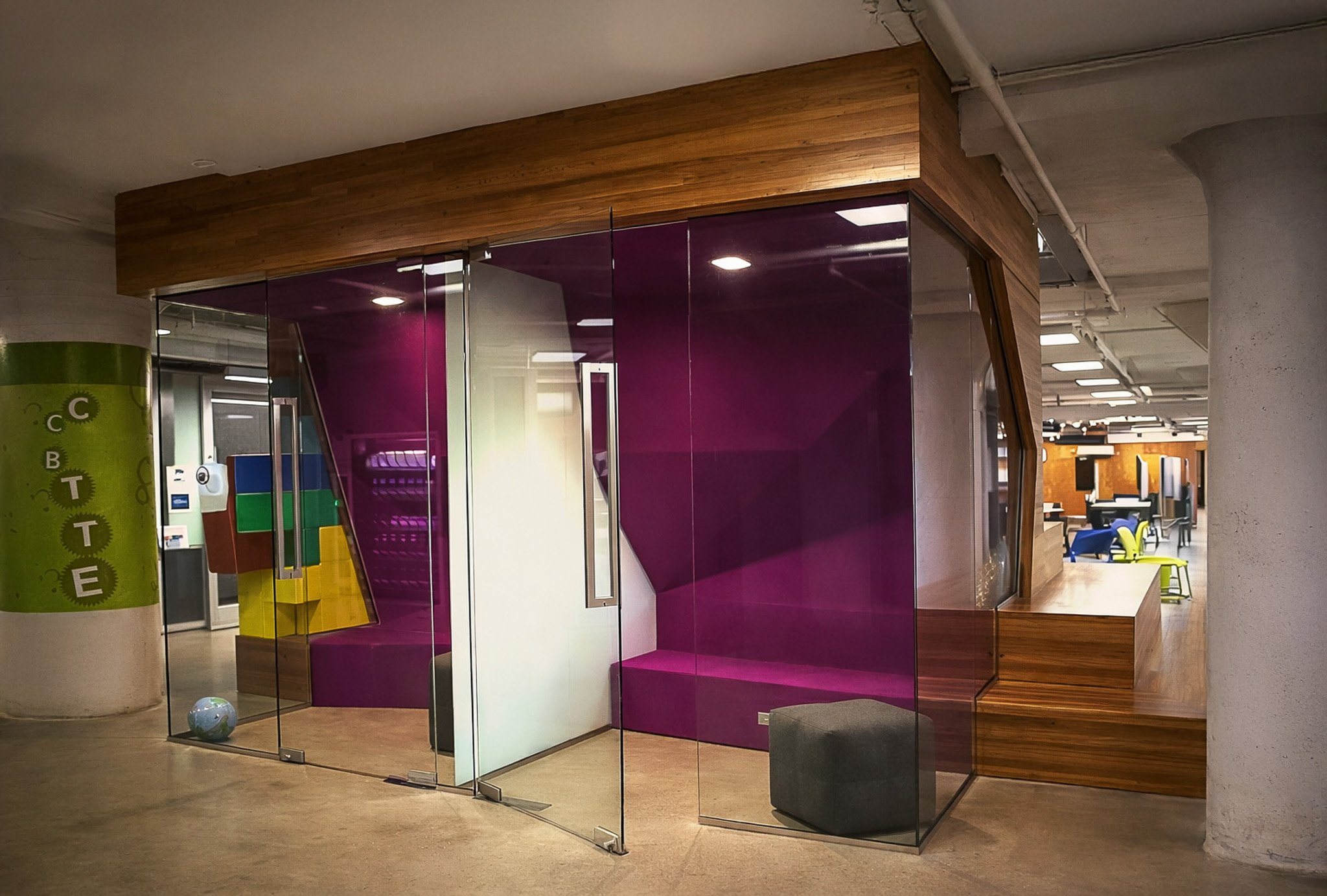
Visibility was central to the client’s vision. Think[box] was intended to serve as a highly identifiable headquarters for innovation — a physical manifestation of the university’s strategic commitment to forward-thinking education.
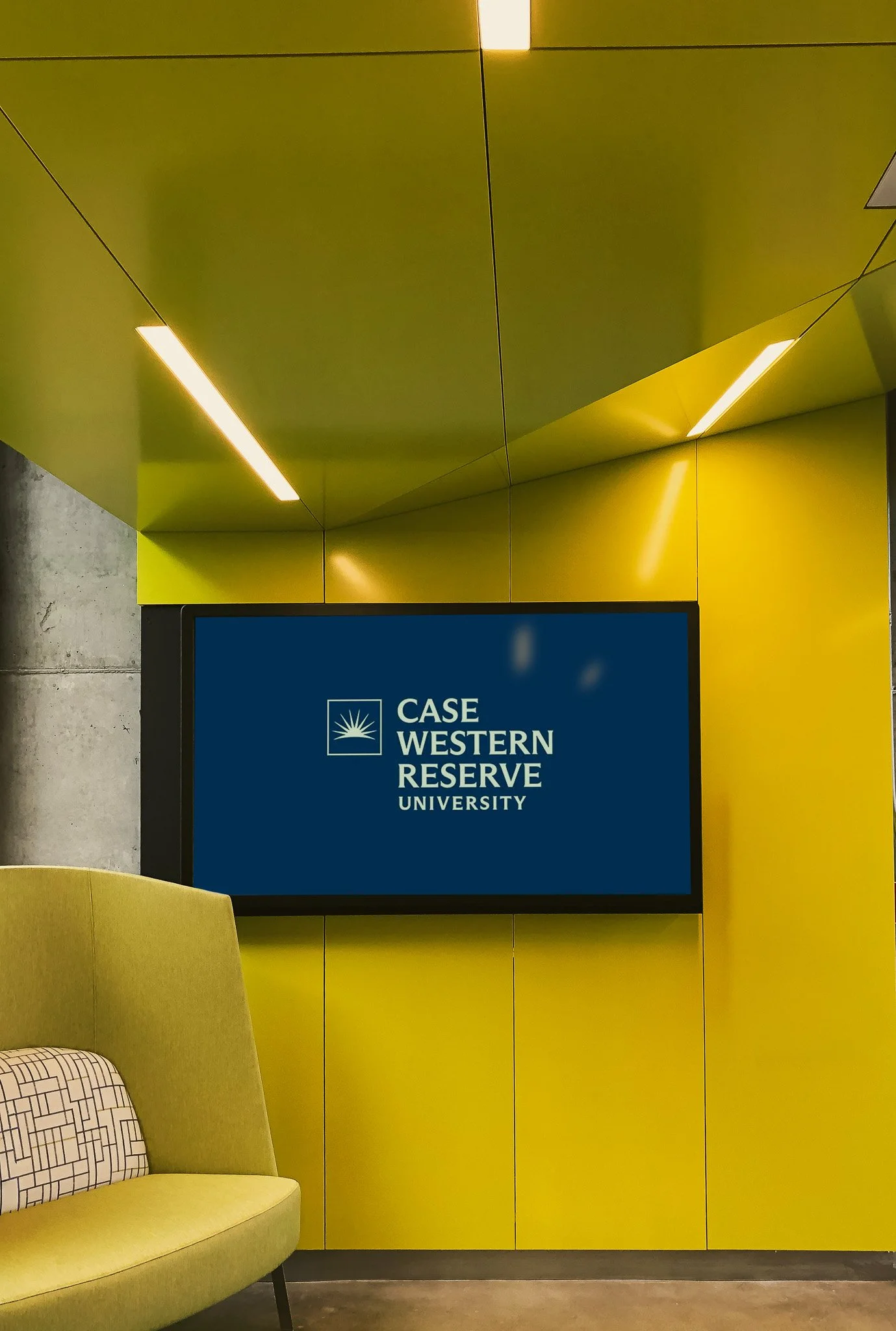
The space feels open and inviting. Students passing by can see activity and possibility. Faculty feel empowered to bring ideas forward. Corporate partners and sponsors recognize alignment between academic ambition and real-world impact. When a space clearly reflects its mission, culture follows. Visibility was central to the client’s vision. Think[box] was intended to serve as a highly identifiable headquarters for innovation — a physical manifestation of the university’s strategic commitment to forward-thinking education. The space feels open and inviting. Students passing by can see activity and possibility. Faculty feel empowered to bring ideas forward. Corporate partners and sponsors recognize alignment between academic ambition and real-world impact. When a space clearly reflects its mission, culture follows. Think[box] was not simply a capital improvement. It was a strategic investment in the future of engineering education. By integrating interdisciplinary collaboration, hands-on fabrication, and entrepreneurial thinking into a single, visible environment, the university created more than a facility. They created a platform.
At MKC, we believe educational environments should do more than house programs — they should actively advance them. Think[box] demonstrates what is possible when architecture becomes an active participant in pedagogy — when space is intentionally designed to cultivate creativity, technical mastery, and entrepreneurial confidence.
For Case Western Reserve University, think[box] is more than a building.
It is a home for makers.
A launchpad for innovators.
And a visible commitment to preparing students not just for jobs, but for leadership in solving society’s most complex challenges.