El Nido: Seville
EL NIDO | THE NEST
Location: Seville, Spain
Competition: Re:Form - New Life for Old Spaces 2025
Project BRIEF
In a world facing urgent environmental and spatial challenges, the most sustainable solutions may come not from new construction, but from reimagining what already exists. Participants are free to choose any existing structure—whether currently in use, abandoned, or neglected—anywhere in the world. From unused storefronts and aging sheds to underutilized garages or portions of larger buildings, the project should demonstrate the potential to transform a limited footprint into something innovative and impactful. The designs should focus on sustainability, functionality, and broader community impact, showing how adaptive reuse can address contemporary challenges.
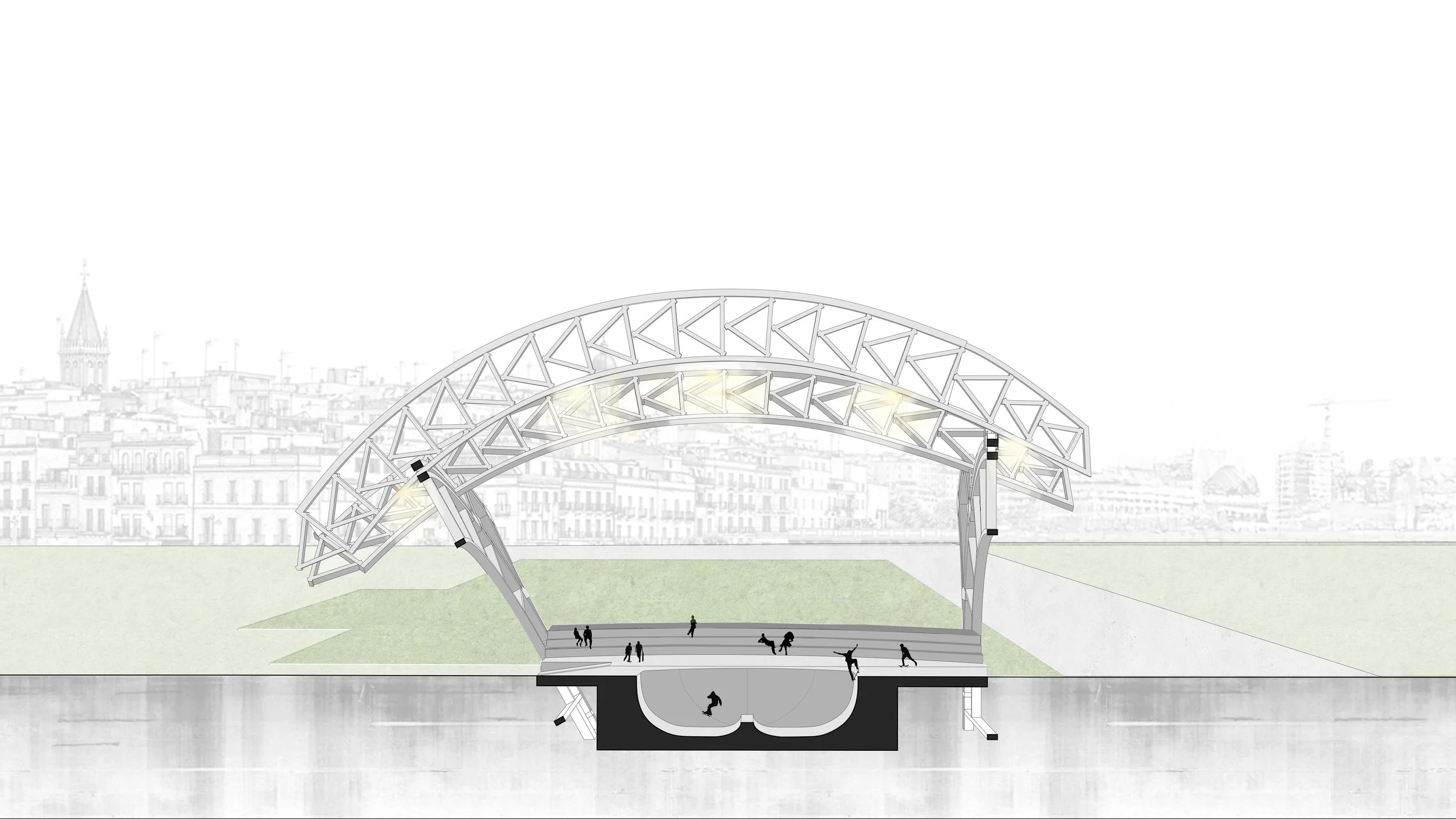
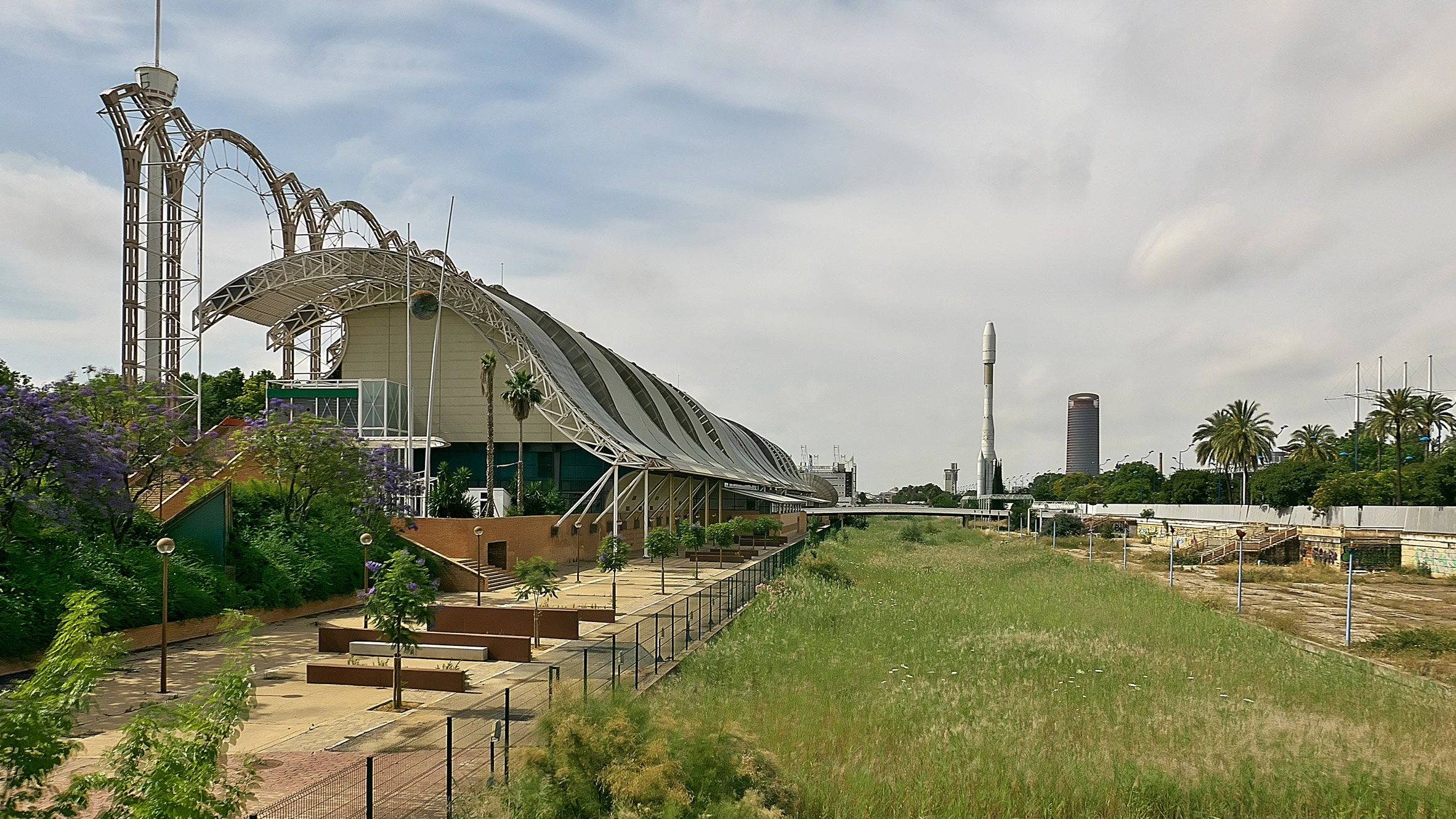
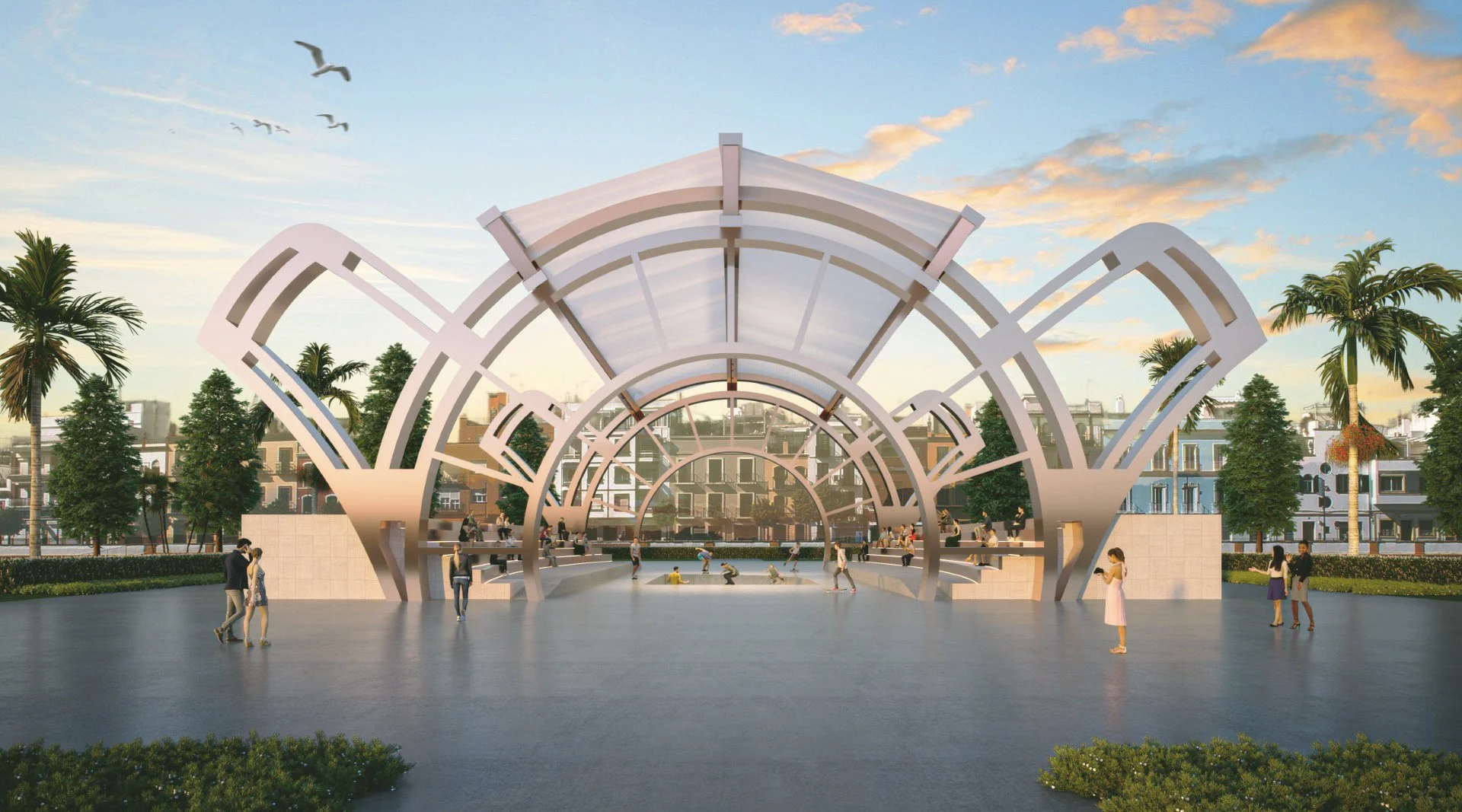
The goal is to give new life to the chosen structure, demonstrating how thoughtful adaptation can create meaningful and relevant spaces for today’s world. Responding to the Re:Form competition brief, our design transforms the underutilized Pavilion of the Future from the Universal Exhibition of Seville of 1992 into a 250 m² indoor–outdoor venue that supports both cultural performance and recreation.
PROJECT DESCRIPTION
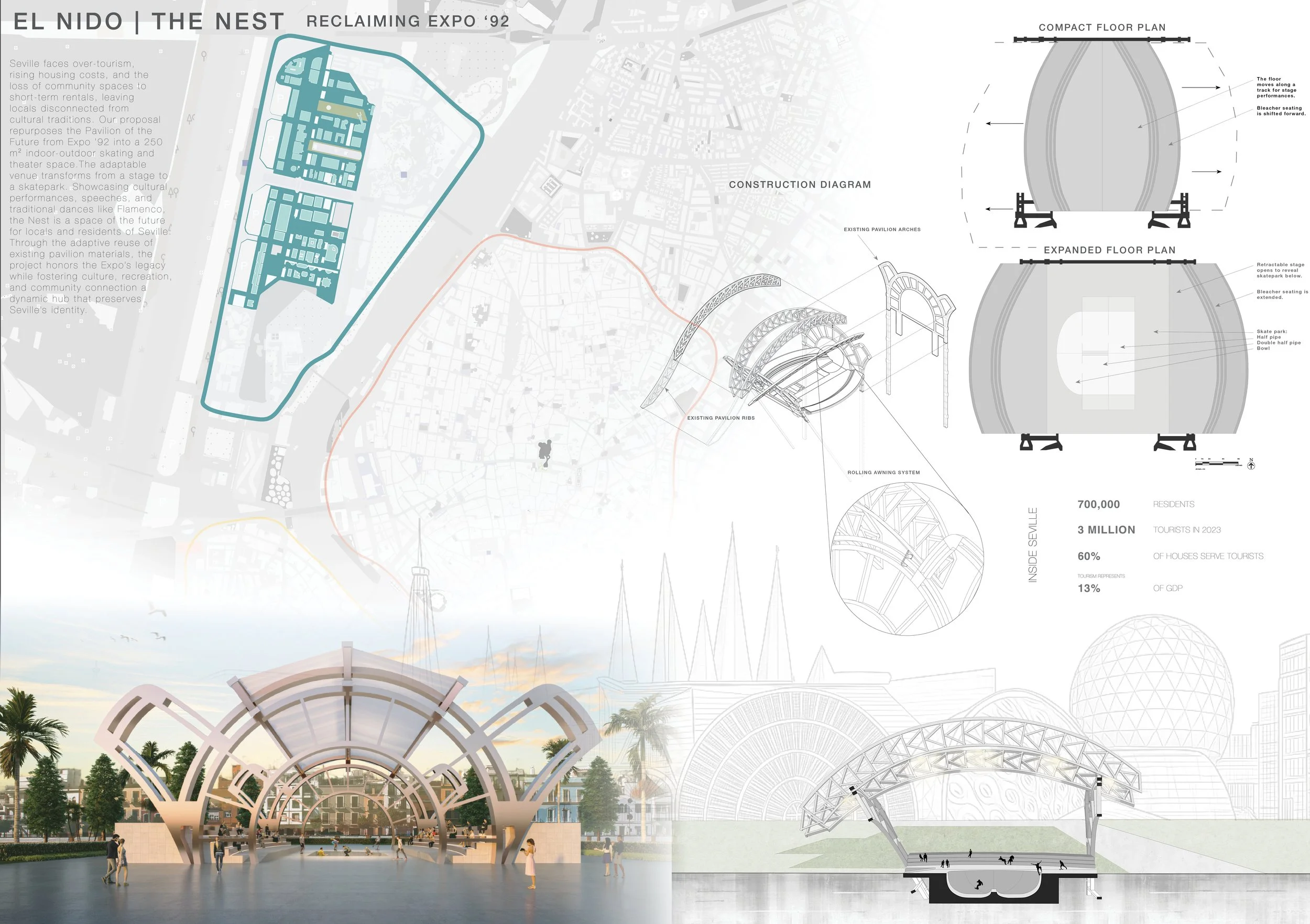
This project explores how a forgotten space can be reimagined to serve a new and impactful purpose through adaptive reuse. Seville faces rising housing costs, over-tourism, and the loss of community spaces, leaving residents increasingly disconnected from local traditions. El Nido, or The Nest, addresses this by creating a flexible environment that celebrates culture while offering a space for everyday activity. The design shifts seamlessly from an open-air theater to a skatepark through an operable track system, retractable seating, and expanding floor plates which accommodates performances, gatherings, skating, and youth programming within a single compact footprint.
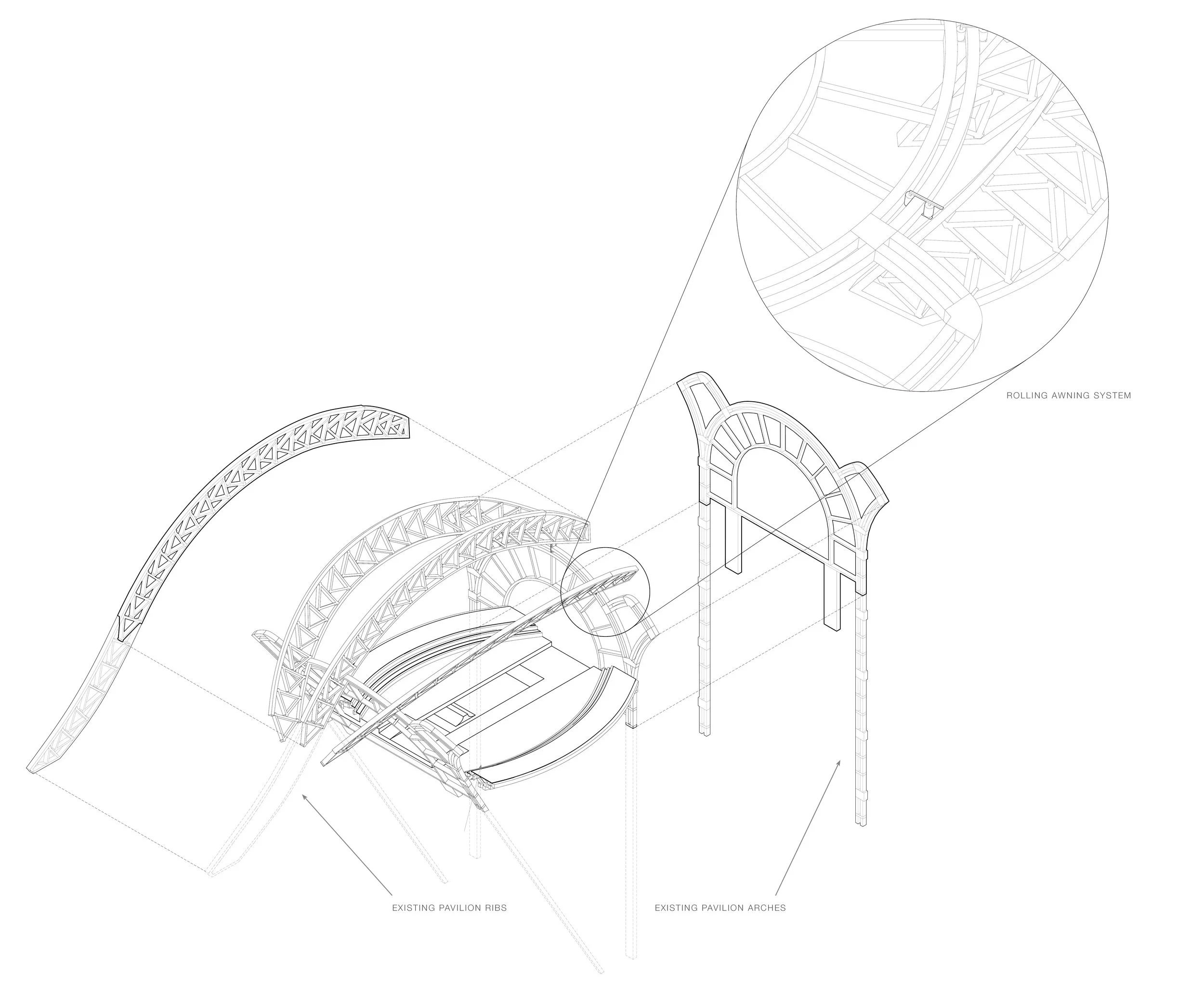
Emphasizing sustainability, the project reuses recycled steel from the original pavilion structure and incorporates recycled fabric for a retractable awning and ceiling system, ensuring comfort throughout changing weather conditions. By reclaiming an overlooked Expo artifact, the project honors Seville’s architectural legacy while fostering community connection, cultural expression, and inclusive public space.
El Nido demonstrates how small-scale, adaptive interventions can revive neglected structures and contribute meaningfully to the social and cultural fabric of a city.
PROJECT LOCATION
Seville, Spain
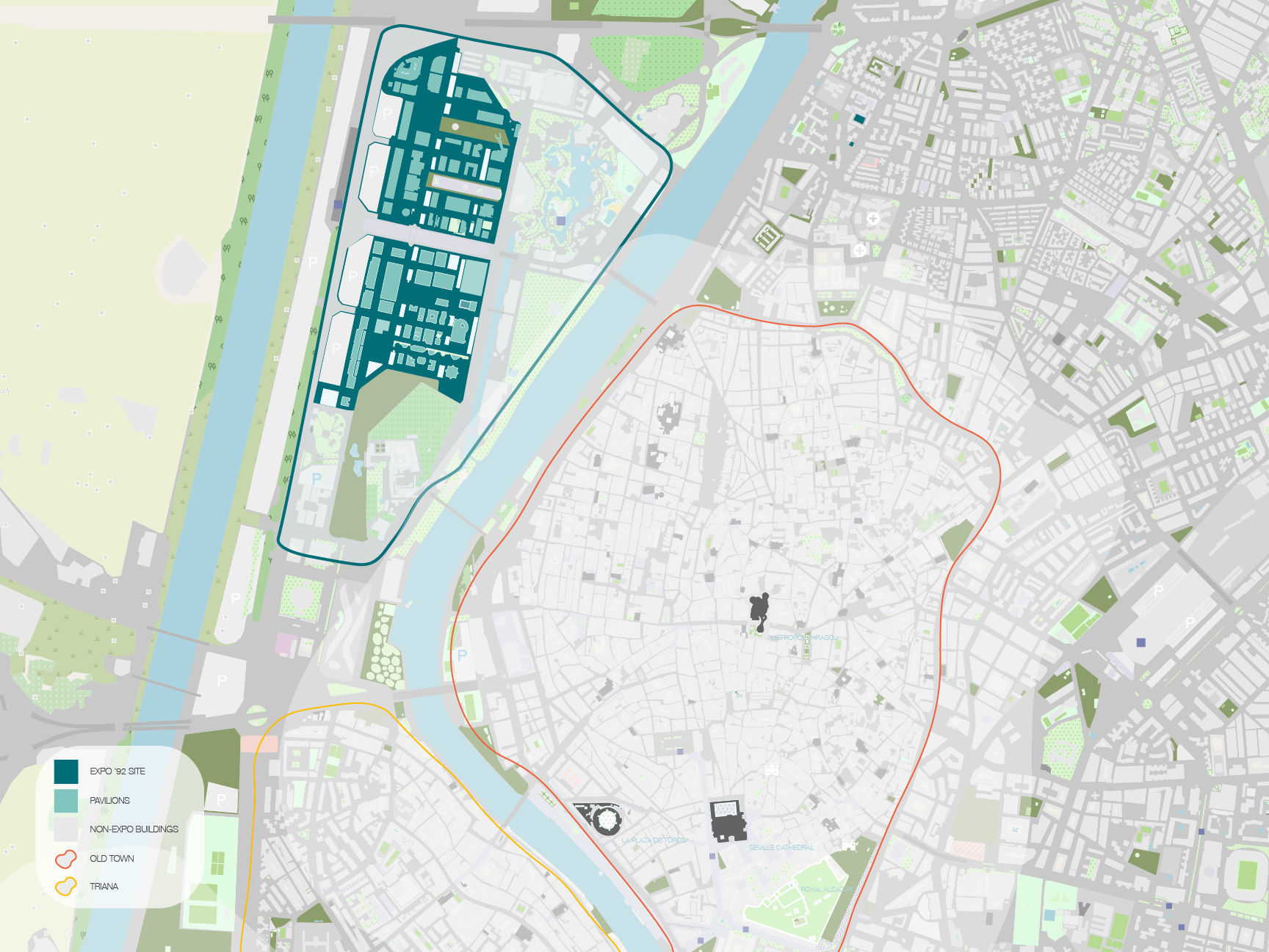
Seville is a city with over 2,200 years of continuous history. It is best known for its dense historic core, located across the Guadalquivir River from the Expo site. The old town is home to many of the city’s most significant landmarks, including the Alcázar of Seville, the Cathedral of Seville, and the Metropol Parasol. These sites anchor Seville’s identity in innovation that respects tradition. This stark contrast between the enduring historic center and the experimental, transitional nature of the Expo grounds highlights a broader tension between permanence and progress within the city.
Pavilion of the Future
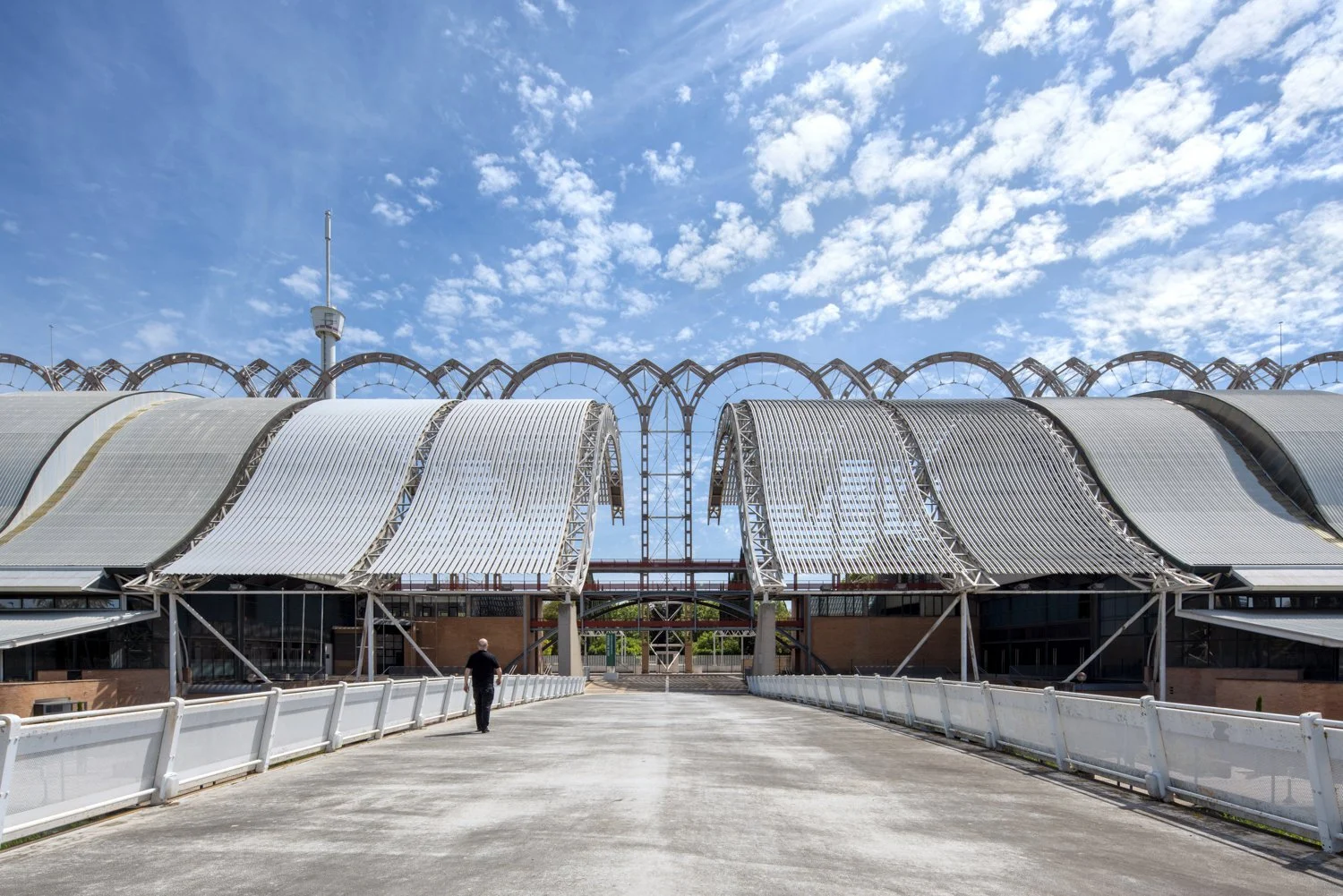
Pavilion of the Future
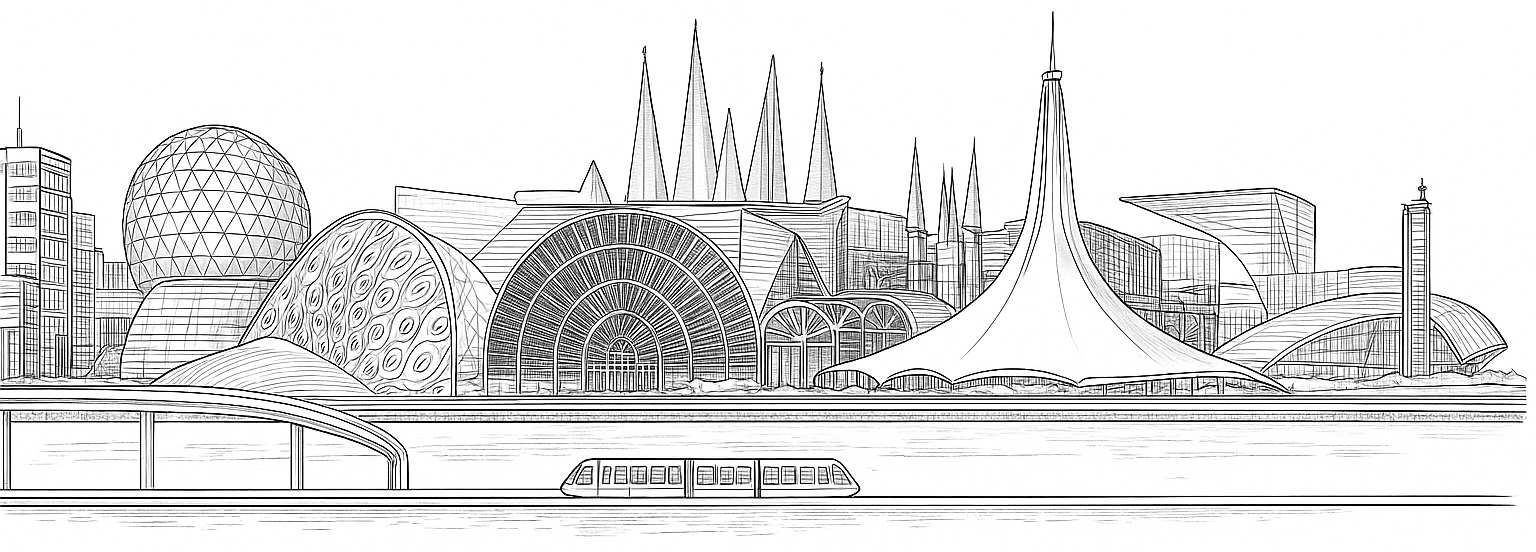
Situated on Isla de la Cartuja, the Expo ’92 site now stands as a remnant of a once-optimistic vision of the future. Covering approximately 215 hectares, the Universal Exposition attracted over 40 million visitors during its six-month run. Of the 102 national and thematic pavilions constructed for the event, only 32 remain today, leaving behind a fragmented landscape that reflects both ambition and obsolescence.
Tourism
Tourism plays a vital role in Spain’s economy, but its rapid expansion has fueled growing tensions between tourists and local residents. The rise of short-term rental platforms has significantly increased housing costs, reducing long-term availability and forcing many locals out of their neighborhoods. As popular cities become increasingly oriented toward visitors, everyday life for residents is displaced, leading to mounting frustration and public backlash against mass tourism.
Construction Diagram
CONSTRUCTION
A track is placed within an existing pavilion arch to allow for an open-air gathering space while keeping weather in mind. The recycled pavilion “ribs” slide across the track, enabling the structure to open or close as needed, providing shade, shelter, and spatial flexibility in response to changing environmental and programmatic conditions.
FLOOR PLAN DIAGRAMS
Through an operable track system, expanding floor plates, and retractable seating, the space transforms from a performance stage to a recreational skating environment.
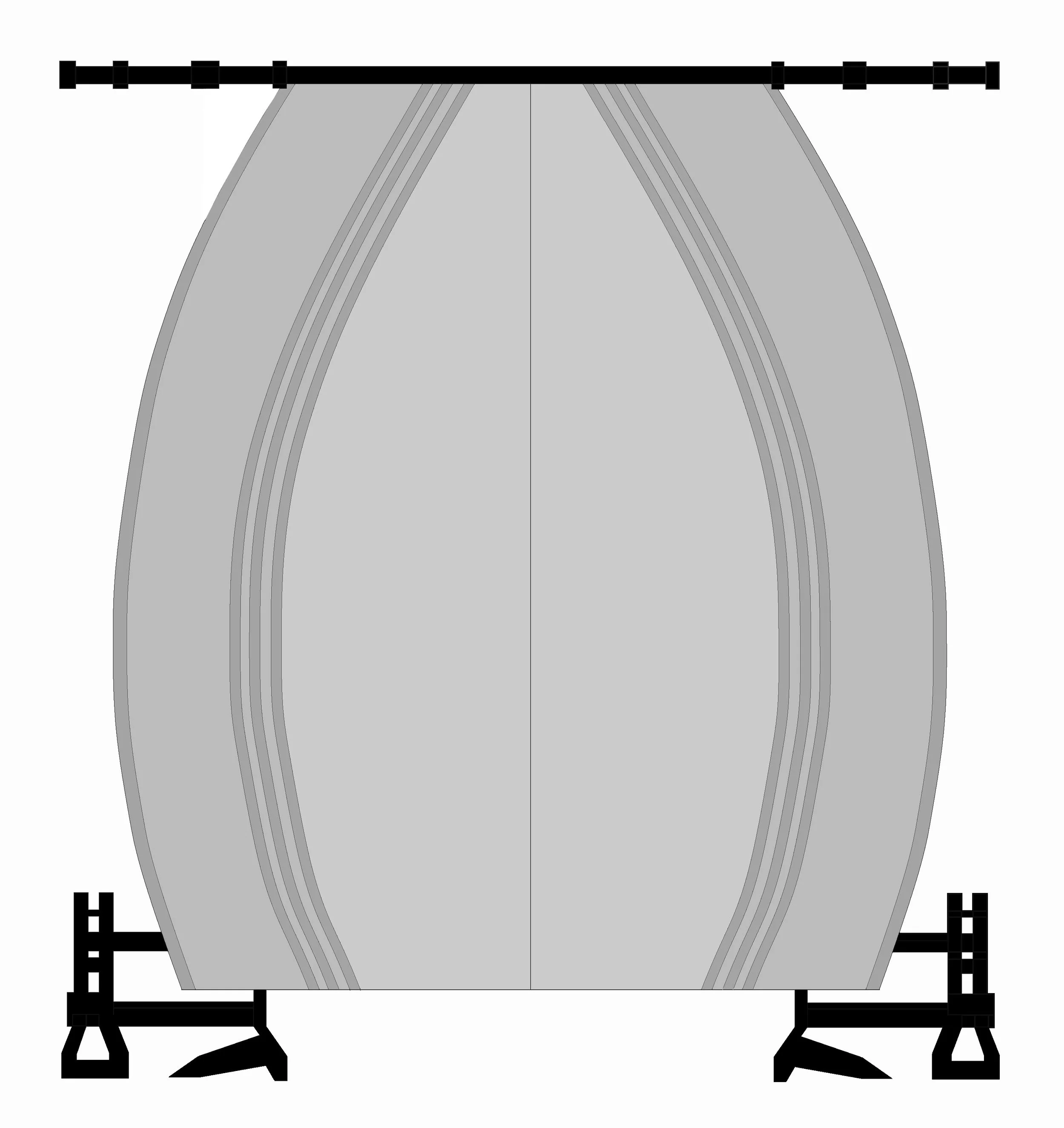
Enclosed Performance Space
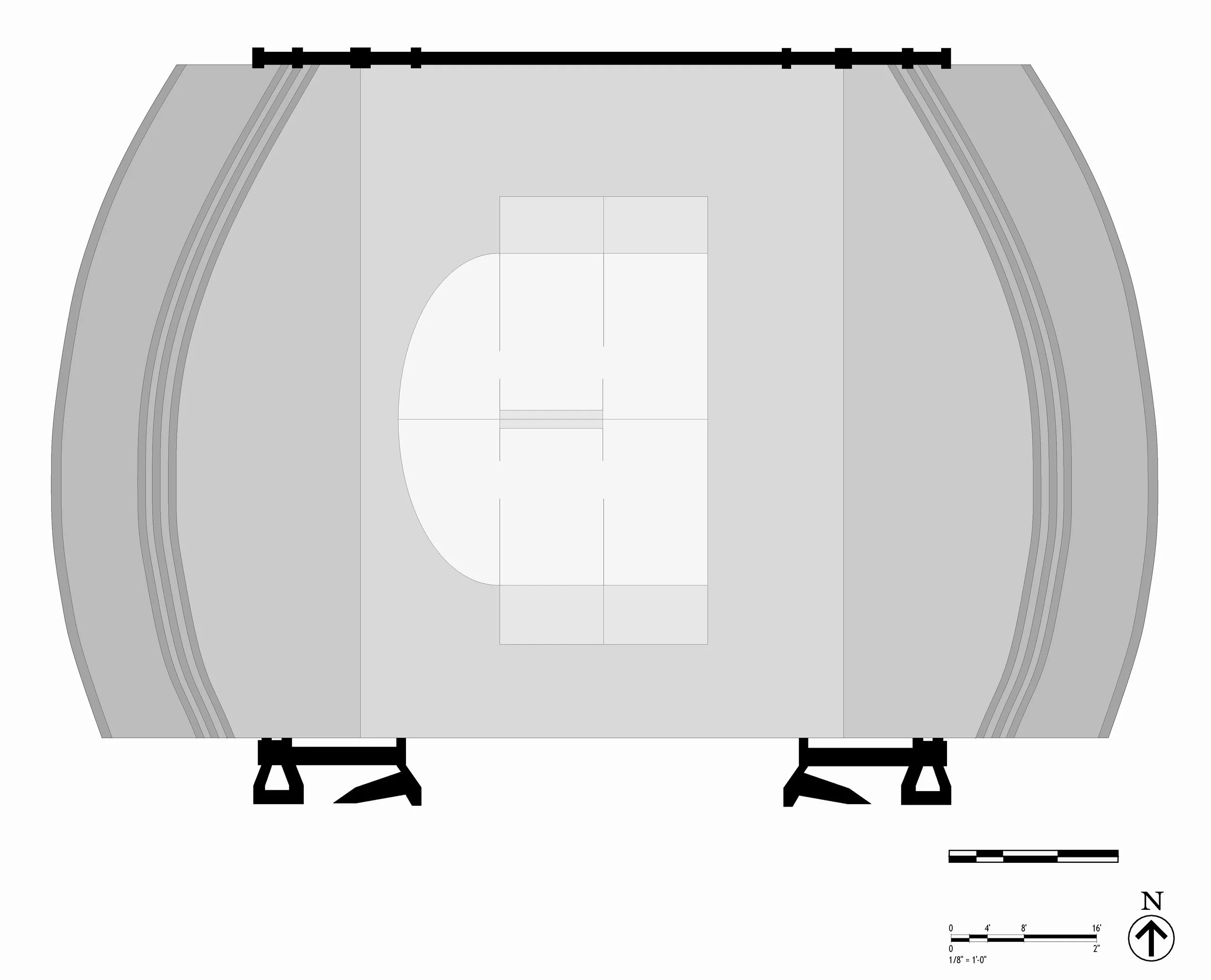
Expanded Skatepark
To view the full high-resolution presentation board click here.